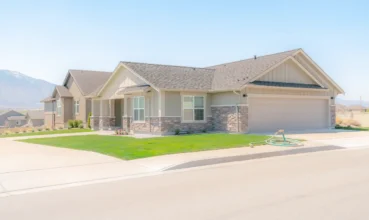
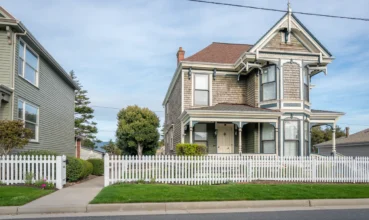
Most homes for sale in the Portland metro area were built before 1970. That single fact, an overwhelmingly old housing stock in a rainy climate, shapes nearly every transaction, from how buyers compete to how sellers price, and increasingly, how long a listing sits. The divide isn’t between Portland and its suburbs. It’s between move-in-ready older homes in walkable inner neighborhoods and everything else.
Scott Edelman, a Realtor with Sold by Scott at Think Real Estate PDX, has worked the Portland metro market for nearly six years. His view from mid-2026 is that location preferences have sharpened since rates rose, and that the condition gap between listings now determines market speed more than it did when cheap money papered over deferred maintenance.
Old Homes, Big Tickets
Portland buyers are drawn to character, crown molding, picture rails, hardwood floors, leaded glass. But that affection for turn-of-the-century and midcentury homes comes with predictable costs that surface during inspections. Sewers need replacement. Electrical systems are outdated. And in the Pacific Northwest, moisture intrusion is a constant threat.
“Water is our number one contender for issues with a home because you just need so much water management out here,” Edelman says.
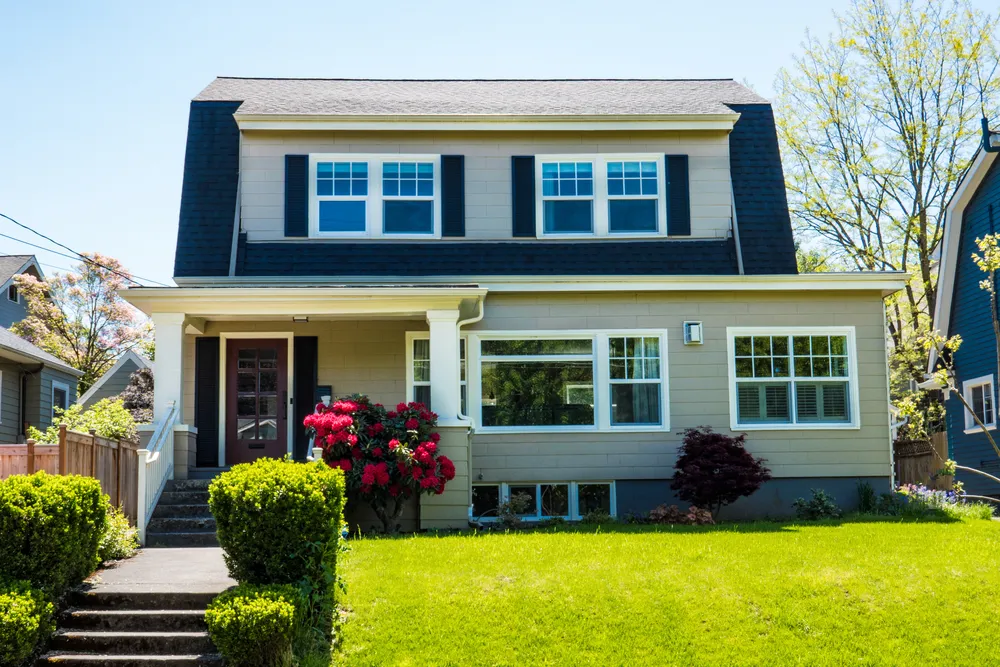
A recent transaction illustrates the pattern. Edelman’s buyers closed on a 1911 Four Square that appeared well-maintained but revealed three or four major repair items behind the scenes, the kind of discoveries that are routine in Portland’s housing stock. The deal closed only because both agents and the seller agreed to a substantial concession, giving the buyers funds to make the home livable. That kind of collaboration, Edelman notes, is not guaranteed. “You don’t always get a listing agent and a seller that want to make things work and are willing to put in their own money to make it work.”
The Negotiation Gap Between Buyers and Sellers
Sellers in Portland face a particular psychological challenge. Many have invested tens of thousands in their homes – a new roof, a kitchen renovation – and resist concessions after inspections reveal additional problems. Edelman describes a common friction: a seller who spent $60,000 over five years being asked for another $15,000 in electrical or plumbing repairs at the negotiation table.
“They’re like, okay, but what about the 60K I already spent?” he says. “It’s hard for them to rationalize additional money and the buyer not seeing the value that they already put into it.”
First-time buyers compound this tension. They arrive expecting post-inspection renegotiation as standard and want something back to feel comfortable with the purchase. Repeat buyers move through the process with less friction. But in inner Portland, where multiple offers are common, first-time buyers often lose several bidding wars before adjusting their expectations upward. Edelman says he has to coach them early: “Asking price doesn’t mean anything if you’re looking in inner Portland because there’s going to be multiple offers.”
What’s Moving and What’s Sitting
The market has split along two axes: location and condition. Well-staged, move-in-ready homes in walkable inner neighborhoods – places like Kenton, Montavilla, Belmont, and Buckman – continue drawing multiple offers, selling above list price with waived contingencies. That pattern has held for several years.
What’s changed since rates rose is demand in Portland’s outer neighborhoods. Areas with better pricing and more land but fewer walkable amenities are seeing homes sit longer. During the low-rate period of 2021 and 2022, first-time buyers stretched into those areas because monthly payments were manageable. Now that carrying costs are higher, buyers are concentrating their budgets closer to amenities.
“I’m seeing more people that just want to be close to amenities if they’re going to be spending their money,” Edelman says. Homes that aren’t presented well – lacking staging, needing exterior paint or a new roof – are also lingering, along with condos.
Cross-River Math
The Portland metro market spans both sides of the Columbia River, and the tax calculus pulls distinct buyer profiles in each direction. Washington state’s lack of income tax attracts retirees on Social Security and VA buyers who want to preserve fixed incomes. On the Oregon side, Multnomah County’s high property taxes push buyers toward Clackamas County for lower taxes and more rural living, or Washington County for strong schools, newer construction, and family-oriented neighborhoods.
The typical buyer in Edelman’s practice is a couple in their 30s without children who want to walk to coffee shops, restaurants, and parks without driving. Portland’s cultural identity: the dance parties, the neighborhood gathering spots, is part of what they’re purchasing alongside the house itself.
Seasonal Patterns and Forward Outlook
The spring 2026 market was extended and active; Edelman describes it starting right after the new year and running through June. But after July 4th, activity dropped sharply, consistent with Portland’s typical summer seasonality. Even listings that would have moved fast in the spring sat in July.
Portland remains the most affordable major city on the West Coast relative to Seattle, San Francisco, and Los Angeles, which Edelman sees as a structural floor for demand. He also reports receiving more calls this year from buyers in conservative states seeking to relocate to Portland for cultural reasons. “I think it will pick up again in the fall,” he says, “but you can never predict.”
For buyers deciding where to focus their search, the pattern is clear: homes that combine character, good condition, and proximity to walkable neighborhoods are still competitive. Everything outside that combination, whether because of location, condition, or both, requires patience from sellers and creates negotiating leverage for buyers willing to take on older homes that need work.
About the Expert: Scott Edelman is a Realtor with Sold by Scott at Think Real Estate PDX, serving the Portland metro market on both sides of the Columbia River for nearly six years.
This article is based on information provided by the expert source cited above. It is intended for general informational purposes only and does not constitute legal, financial, or real estate advice. Readers should conduct their own research and consult qualified professionals before making any real estate or financial decisions.