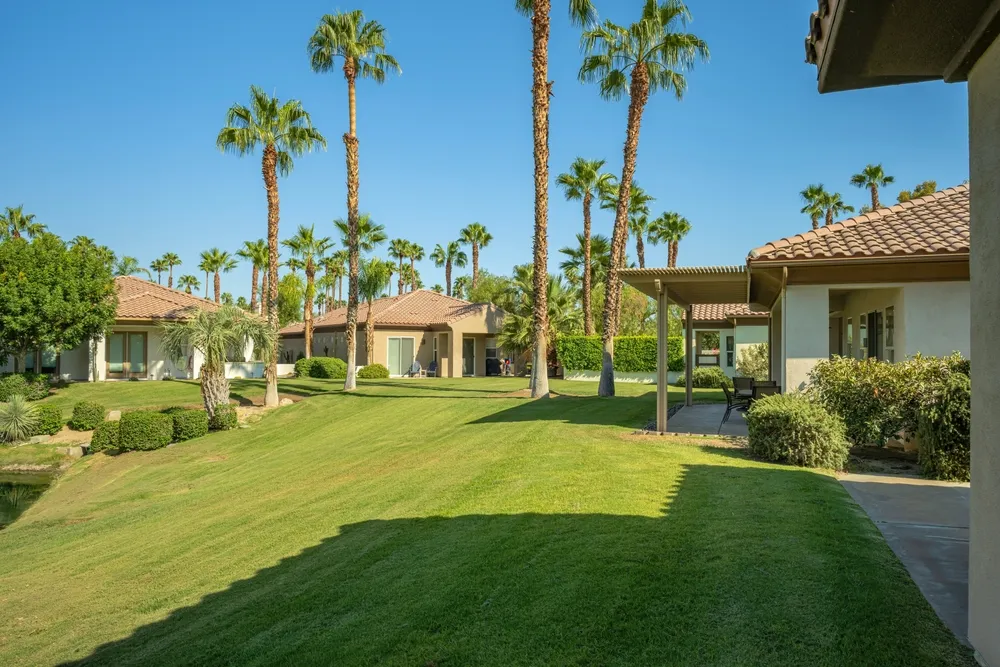
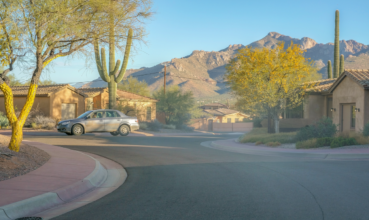
In a region often discussed in extremes – either “heating up” or “cooling off” – Palm Desert’s residential market is doing neither. The city leads the Coachella Valley in monthly home sales volume, carries roughly four months of inventory, and operates as a balanced market, according to Vlada March, Realtor and owner of Vlada March Real Estate Group at HomeSmart in Palm Desert. That balance comes with a specific condition: homes priced at market value and in good condition sell quickly, while overpriced listings sit.
March works across the valley’s residential, commercial, and rental segments. Her read on the current market centers on a simple dynamic: sellers are more motivated than they were during the pandemic-era surge, buyers have more options, and the gap between the two closes – or does not – almost entirely based on pricing.
Four Months of Inventory
Palm Desert’s roughly four-month supply puts it in textbook balanced territory. But balanced does not mean static. Properties are taking longer to sell than they did during the pandemic peak, and buyers are using that leverage to negotiate harder.
“Sellers most of the time are more motivated, and buyers are more cautious,” March says. “They have more options. A lot of the time they like to negotiate a little more.”
Homes in the valley are selling at approximately 3% below asking price, according to March. That figure represents a measurable shift in negotiating dynamics. Sellers are increasingly offering credits or price reductions to keep deals together – particularly when inspection reports surface issues. March says sellers now understand they need to make deals work because they cannot predict when the next buyer will appear.
For buyers, the practical implication is clear: asking for concessions is now standard rather than aggressive. For sellers, resisting reasonable repair credits or price adjustments carries a real cost: a lost buyer and an uncertain timeline to find the next one.
Where Deals Break Down
When transactions fail in this market, the pattern is consistent: inspection findings reveal problems, the seller refuses to credit or repair, and the buyer walks, knowing other options exist at comparable or better value.
“If a seller refuses to take care of the issue or give any credit, then we can have a problem because the buyers realize that they can go and find another house either in a better condition or at a better price,” March says.
The hierarchy of what keeps a listing from selling is straightforward. Price is the primary factor; condition is second. Location matters, but March describes it as “always in the background,” not the variable that explains why otherwise-decent homes linger. A seller who prices correctly and addresses deferred maintenance before listing eliminates the two most common reasons a property stalls.
Seasonal Patterns
The Coachella Valley’s prime season runs from roughly October through April or May, driven by snowbirds arriving from Canada and cooler U.S. states. During those months, a larger population base means faster absorption. But March pushes back on the assumption that summer is dead.
“It is a misconception that summertime real estate out here is completely dead. It’s not true,” she says. “Properties definitely sell, but if you’re flexible in terms of timing, it’s not a bad idea to wait until at least October to list.”
The key variable is not the calendar; it is whether the listing is priced correctly and shows well. A clean pool, maintained yard, and accurate pricing can move a property in any month. Sellers who must list in summer are not locked out of the market; they simply need tighter pricing discipline because the buyer pool is smaller.
The Investment Case
For investors evaluating the Coachella Valley, entry costs for multi-unit properties remain well below comparable Southern California markets.
March, who currently has an investor client in escrow on a duplex, frames the opportunity in comparative terms. “The ROI that we get here is way higher than anything you can get in the bigger cities all around us or Northern California,” she says. Land purchases also figure into the opportunity set for investors with longer time horizons.
A recent residential transaction illustrates the value gap between the Coachella Valley and neighboring metro areas. A four-bedroom, three-bathroom single-family home of approximately 2,300 square feet with a pool closed at $750,000 after negotiation from a $790,000 list price. March estimates the same home would cost at least $2 million in Los Angeles or San Diego, a comparison that also applies to the rental income potential on multi-unit properties relative to their acquisition cost.
What’s Ahead
The development pipeline in the valley is substantial. Large-scale entertainment infrastructure – including a new arena hosting major touring acts, a professional hockey team (the Coachella Valley Firebirds), and a recently built surf pool – is expanding the region’s draw beyond its association with the annual Coachella music festival.
“Coachella Valley is really becoming a big destination, not only for Coachella Fest like before, but for other events for people from all walks of life,” March says.
That expanding infrastructure base adds a layer of demand beyond the traditional snowbird and lifestyle buyer. More year-round events mean more visitors who discover the valley’s cost-of-living advantage firsthand, the same pipeline that fed the couple who recently closed on their $750,000 home after relocating for a calmer daily routine, better affordability, and proximity to Los Angeles and San Diego without the congestion of either.
For sellers, the current market rewards those who price honestly and present their property well, regardless of season. For buyers and investors, the valley offers entry points well below surrounding Southern California markets, with a development trajectory that continues to broaden the region’s appeal.
About the Expert: Vlada March is a Realtor and owner of Vlada March Real Estate Group at HomeSmart, serving the Palm Desert and Coachella Valley market across residential, commercial, and rental segments.
This article is based on information provided by the expert source cited above. It is intended for general informational purposes only and does not constitute legal, financial, or real estate advice. Readers should conduct their own research and consult qualified professionals before making any real estate or financial decisions.