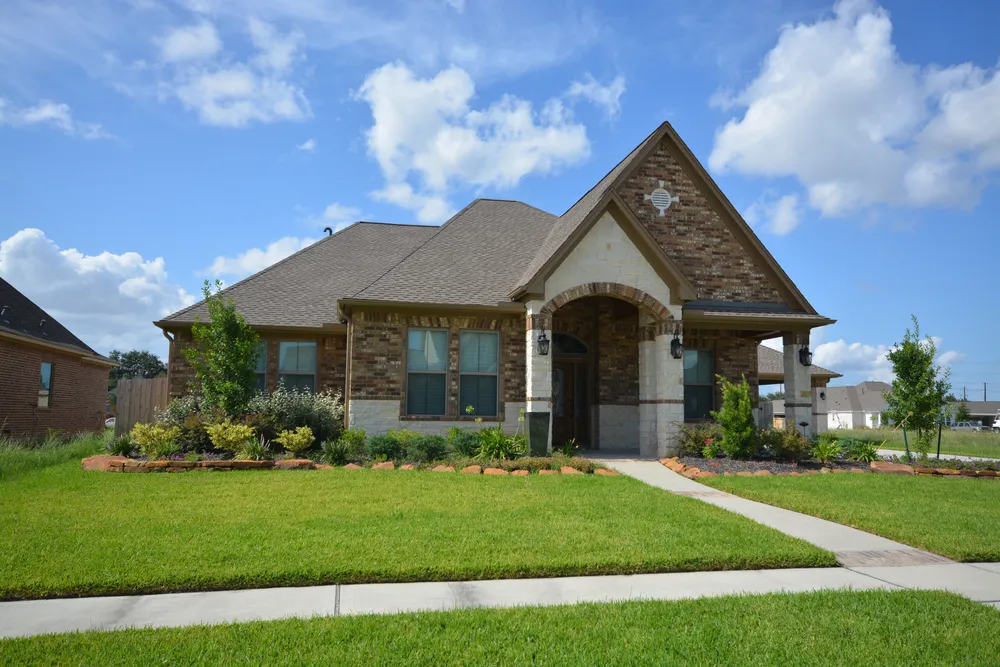
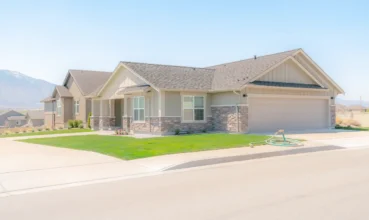
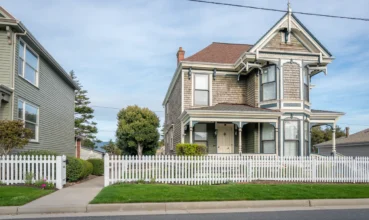
Builders in the North Dallas suburbs have enough standing inventory – and enough willingness to discount – that they are effectively setting the terms for the entire housing market. Resale sellers who price correctly and maintain their homes well are still finding that properties sit, not because of any flaw in the home, but because a builder down the street is offering rate buydowns and closing cost coverage that a private seller cannot match.
That dynamic is defining the current market across Frisco, McKinney, Plano, and the surrounding suburbs, according to Pallavi Prabhune, an agent with Fathom Realty who has worked the Dallas market since 2015 and has experience on the mortgage side of the business as well.
“Homes that are competing with builders in their own neighborhood are the ones that are sitting because buyers are getting similar homes from builders at lower prices, or maybe with more incentives, giving them less monthly outflow,” she says.
The result is a market where a well-maintained resale home in good condition, priced in line with comparable sales, can still languish, not because of anything wrong with the property, but because of a pricing structure it cannot replicate.
A Buyer Pool Under Pressure From Multiple Directions
The buyer base in these suburbs skews heavily toward tech-sector professionals, many relocating to the area for work. A significant share are on H1B visas, and according to Prabhune, recent rule changes have introduced enough uncertainty that some are pausing before committing to a purchase.
At the same time, mortgage qualification remains a common point where deals fall apart. Prabhune describes a recent closing involving buyers who wanted to stop renting but struggled to qualify. Her team ultimately got them into a brand-new house, but the process was difficult. “It was a tough one to get them qualified, but we did it,” she says.
Those buyers who can act now hold substantial leverage: wide inventory selection, motivated sellers, and builder incentives all working in their favor. Prabhune’s advice is direct: take advantage of current pricing, and if rates drop later, refinance to reduce monthly costs further.
Sellers Facing Losses They Did Not Plan For
On the other side of these transactions, some sellers are closing at a loss. A pattern Prabhune sees repeatedly involves homeowners who bought during the remote-work surge, customized their homes, and are now being called back to offices in other states, sometimes just a few days a week, but enough to make the commute unworkable.
“Many sellers who bought have to sell at a loss because they have no choice,” Prabhune says. “It is not a happy occasion for them to sell and go.”
Concessions have become standard. Sellers are covering closing costs, offering rate buydowns, and negotiating aggressively just to attract offers. The contrast with the pandemic-era market, when buyers competed for limited inventory, is stark. Now sellers are the ones competing – against each other and against builders with deeper pockets for incentives.
Prabhune says the inspection stage has also become a sharper filter. Buyers now have enough choices that they can find homes in their budget with few or no issues, so properties with deferred maintenance are more likely to lose a deal. For sellers, addressing repair issues before listing has become a practical necessity rather than an optional step.
Where Resale Homes Still Hold an Advantage
Not every submarket is builder-dominated. In areas where new construction is limited or priced well above resale inventory, pre-owned homes remain competitive. The advantage tends to show up in location: proximity to workplaces, highways, and the school districts that are the primary draw for families moving to the area.
Prabhune notes that for dual-income households where spouses commute in different directions, a centrally located resale home often makes more practical sense than a new build further out. “For newer homes, if they want to stay in a particular budget, they may have to travel farther away from work,” she says. A new home in a less convenient location does not always win against an older home in a better one.
She advises buyers to identify their top two or three non-negotiable criteria – whether that is commute distance, school district, or budget – and let those drive the search rather than defaulting to new construction.
For investors, the same location logic applies. Prabhune recommends focusing on rental demand near businesses and highways rather than chasing new construction in outlying areas. “Older house in a very busy area may be a better deal for them,” she says. “For investors, it’s all about numbers. Their numbers and cash flow, everything has to work.”
A Flat Horizon
Looking ahead, Prabhune expects the North Dallas market to remain largely unchanged through the coming year, with conditions similar to what she is seeing now, with no significant appreciation on the horizon. “If someone is looking to buy for a quick sale, they will not make a profit because it’s not a market where the homes will appreciate too much,” she says.
For buyers with a longer timeline and stable employment, the current environment offers negotiating power that did not exist two years ago, seller concessions, builder incentives, and enough inventory to be selective. For sellers who must move, the math is less forgiving: pricing below what feels fair may be the only way to compete with the builder next door.
About the Expert: Pallavi Prabhune is an agent with Fathom Realty, covering the North Dallas suburbs including Frisco, McKinney, and Plano, Texas, who has worked in the Dallas market since 2015 with experience on the mortgage side as well.
This article is based on information provided by the expert source cited above. It is intended for general informational purposes only and does not constitute legal, financial, or real estate advice. Readers should conduct their own research and consult qualified professionals before making any real estate or financial decisions.