Tampa Bay now leads the nation in foreclosures, with distressed properties hitting the market at rates not seen in years. Yet, in a sharp contrast, new home construction is thriving. Builders are selling homes, buyers are gaining equity at closing, and deals are proceeding despite headlines about distress and default.
The numbers challenge the assumption that Tampa’s housing market is collapsing. Instead, they reveal a deep divide between struggling homeowners and a robust new construction sector.
A Market Divided
Foreclosures across Tampa Bay have surged as more homeowners face steep increases in insurance premiums, property taxes, and maintenance costs. Many of these owners bought during the 2021–2022 boom, only to discover that their monthly expenses now outpace their budgets—even if their home’s value has held steady.
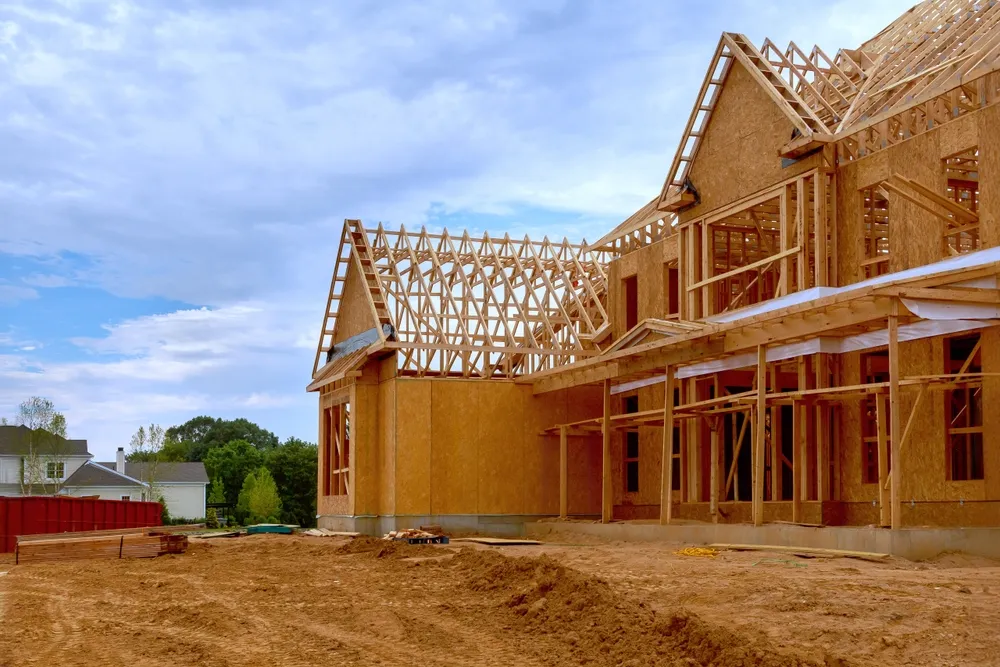
Meanwhile, new construction sales remain strong. In some cases, they are accelerating, with builders pricing homes at or just above cost. This approach often allows buyers to purchase a new home for less than a comparable resale property. The result is immediate equity and a lower overall cost of ownership.
“New construction is doing very well despite the foreclosures,” says William Ward, a Florida real estate broker of A-Ward Winning Realty, who has listed over 800 properties in the past two years. “You can get it at cost and still be under appraisal value.”
Why Foreclosures Are Rising
Plunging home values do not drive the current wave of foreclosures. Instead, hidden and escalating costs are pushing owners over the edge. Florida’s insurance premiums have increased 30 to 50 percent in many areas over the last three years. Property taxes and HOA fees have also climbed. Owners of second or third homes, who do not qualify for homestead exemptions, are especially hard hit by these rising expenses.
Ward points to a Fort Lauderdale neighborhood where one house has changed hands two or three times in just four years. Each owner struggled to keep up with the mounting costs. “It’s not the mortgage that’s killing them,” Ward says. “It’s everything else.”
Why New Construction Is Selling
New construction offers predictability that resale homes often lack. Buyers know exactly what their costs will be, and builders are motivated to close deals. Many are offering incentives such as closing-cost credits, interest-rate buydowns, and partnerships with lenders. Ward works with mortgage professionals who provide down payment assistance and flexible financing options that go beyond standard loans. These arrangements make it easier for buyers to afford new homes and avoid unexpected repairs or insurance hikes tied to aging properties.
A Clear Example
One recent buyer purchased a new construction home in southwest Florida for $350,000. The builder covered $10,000 in closing costs and worked with a lender to buy down the interest rate by half a point. The home appraised at $375,000, so the buyer gained $25,000 in equity from day one—without needing renovations or waiting for appreciation.
In the same neighborhood, a similar resale home lingered on the market for 120 days. The seller reduced the price twice, but still struggled to attract buyers willing to take on an older roof, outdated HVAC, and rising insurance costs associated with the property’s age.
What Buyers Should Consider Now
For buyers, new construction offers several advantages in the current market. Builders are eager to move inventory and can provide incentives that resale sellers cannot match. New homes also eliminate the risk of surprise repair bills and typically come with warranties.
Buyers should ask about builder-lender partnerships. Many builders work with mortgage companies that offer rate buydowns, down payment assistance, or flexible underwriting based on bank statements rather than tax returns. These options can lower monthly payments and make homeownership more accessible.
Those considering foreclosures should proceed with caution. While the initial price may be lower, the true cost can rise quickly after factoring in repairs, insurance, and flood zone requirements. A low purchase price can become expensive if hidden costs are not anticipated.
Advice for Sellers
Sellers of existing homes face a tougher environment. With buyers comparing every listing to brand-new builds with warranties and no maintenance issues, aggressive pricing and concessions are often necessary to attract offers. Sellers should highlight recent upgrades and be transparent about ongoing costs such as insurance and HOA fees. Buyers today are scrutinizing the total cost of ownership, not just the sticker price.
The Bottom Line
Tampa Bay’s housing market is splitting into two distinct tracks. Foreclosures are increasing as owners struggle with rising costs, while new construction is thriving thanks to competitive pricing and real incentives. “You can walk in with equity and still have a decent mortgage rate,” Ward says. For buyers willing to look beyond headlines and consider creative financing, this is one of the best opportunities in recent years.
About the Expert: William Ward is the founder of A-Ward Winning Realty, a Florida-based brokerage specializing in raw land development, new construction, and investment properties. Ward works with more than 120 wholesalers statewide and has closed over 600 transactions in the past two years.
This article is based on information provided by the expert source cited above. It is intended for general informational purposes only and does not constitute legal, financial, or real estate advice. Readers should conduct their own research and consult qualified professionals before making any real estate or financial decisions.