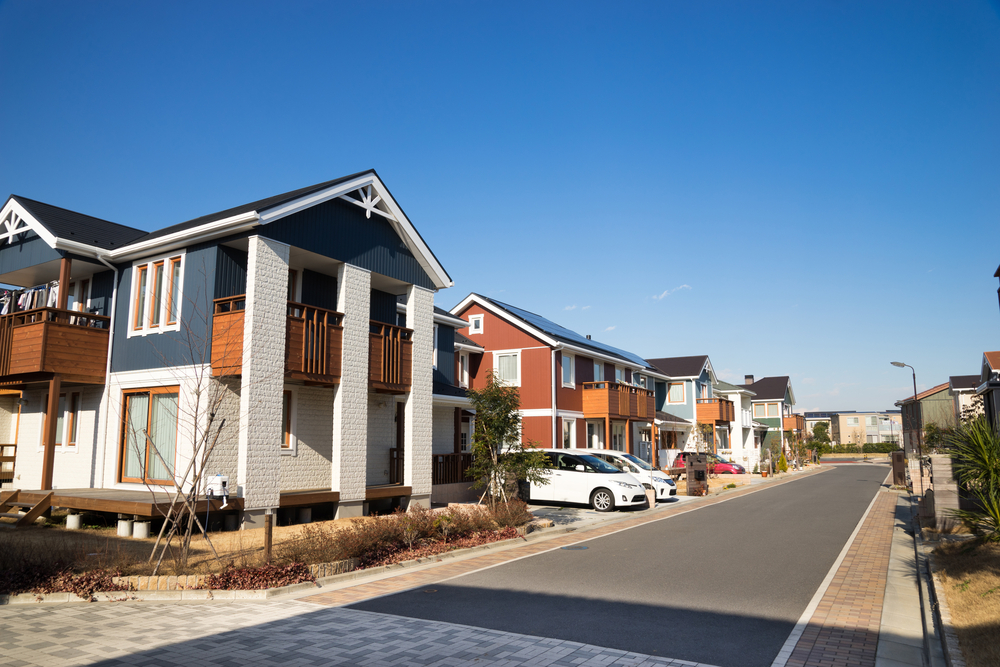
Home sales in the New Braunfels-San Marcos corridor are slowing sharply as new construction incentives draw buyers away from the resale market. According to Yitzchak Pierson, broker associate at eXp Realty, half of all homes listed in the area have been on the market for more than 60 days, with some sitting for up to six months. Builders are offering fixed mortgage rates nearly two percentage points below the broader market, along with additional perks that traditional sellers cannot match without steep concessions.
“Fifty percent of homes have been on the market for more than two months,” Pierson says. “We’ve got a lot of homes that have been on the market two, three, four, some even six months.”
How Builders Win on Financing
The core reason for the slowdown in resale is financial. Builders are offering buyers fixed mortgage rates as low as 3.99 percent, with many deals closing at 4.99 percent. Buyers of existing homes, by contrast, are facing rates in the high fives, often around 5.75 percent. Builders are also covering closing costs and offering higher commissions to buyer agents, widening the gap between new and resale options.
For buyers, the difference is substantial. On a $350,000 home, a 3.99 percent rate results in a monthly principal and interest payment of about $1,670. The same buyer purchasing a resale home at 5.75 percent pays around $2,040 per month, a $370 difference. Over a year, that adds up to $4,440 more. Over a 30-year mortgage, the gap exceeds $130,000.
The financial advantage goes beyond monthly payments. Builders often include warranties, handle repairs before closing, and eliminate the risk of deferred maintenance. For buyers already stretched by high prices, these factors make new homes far more attractive than resale properties.
As Pierson puts it, “It’s hard to compete. Some clients start looking at the resale market and don’t find something they like, so we look at new construction.”
Why Resale Homes Are Struggling
New construction incentives are exposing deeper weaknesses in the resale market. Many resale sellers are unwilling or unable to invest in pre-sale repairs or updates. Homes that need maintenance are sitting on the market longer, and deals often fall through, especially when buyers use FHA or VA financing, which requires stricter property conditions.
“You have sellers who don’t want to do a lot of upkeep or pre-sale renovations. They’re thinking they can sell as is. And we’re seeing a lot of things being difficult to close, especially if you’re going FHA or VA,” Pierson explains.
Sellers who bought at the market peak between 2021 and 2023 now face selling at a loss or for little profit. In some cases, sellers must bring cash to closing to make a deal work. Life events such as job relocations or family changes are forcing sales that add to inventory and pressure prices further downward.
The average time to close on a home in the area has stretched to 120 days, up sharply from the pace of sales during the pandemic boom. Homes that need repairs, are poorly presented, or are priced above comparable new construction are now effectively unsellable without major adjustments.
How Agents Are Adjusting
Real estate agents are shifting their approach in response. Rather than positioning resale homes as the primary choice, agents now market them as lower-cost alternatives to new construction, often requiring significant negotiation on price, seller concessions, home warranties, and closing costs.
“When I’m working with a buyer, I’m asking for a price reduction, seller concessions, a home warranty, and for the seller to pay for title,” Pierson says. “And I’m not having a whole lot of pushback.”
This willingness to negotiate reflects the new reality. With inventory high and buyers in control, sellers must offer incentives to attract attention. Buyers can now take their time, compare options, and demand repairs or financial concessions.
What Comes Next
The current imbalance raises questions about the direction of the New Braunfels-San Marcos housing market. If builders maintain aggressive financing incentives, resale inventory could remain high, prompting further price reductions and longer marketing times for existing homes. If mortgage rates fall broadly, the advantage of builder financing could shrink, restoring some balance between new and resale sales.
For now, sellers of existing homes face a difficult decision: invest in repairs and offer concessions to compete with builder incentives, or accept that their home may sit on the market for months and sell for less. Deferred maintenance and unrealistic pricing are no longer tolerated by buyers who have better options elsewhere. As long as builders continue using financing to win buyers, resale sellers will need to adapt.