
While national headlines warn of housing market slowdowns and rising foreclosures, Bergen County’s real estate market continues to run on a different track. Local agents report strong buye...

Navigating Change in Orange County’s High-End Real Estate Market

Written by:
Date:
10 Mar 2026
Share via Facebook

Share via Linkedin

Share via X

Copy to clipboard

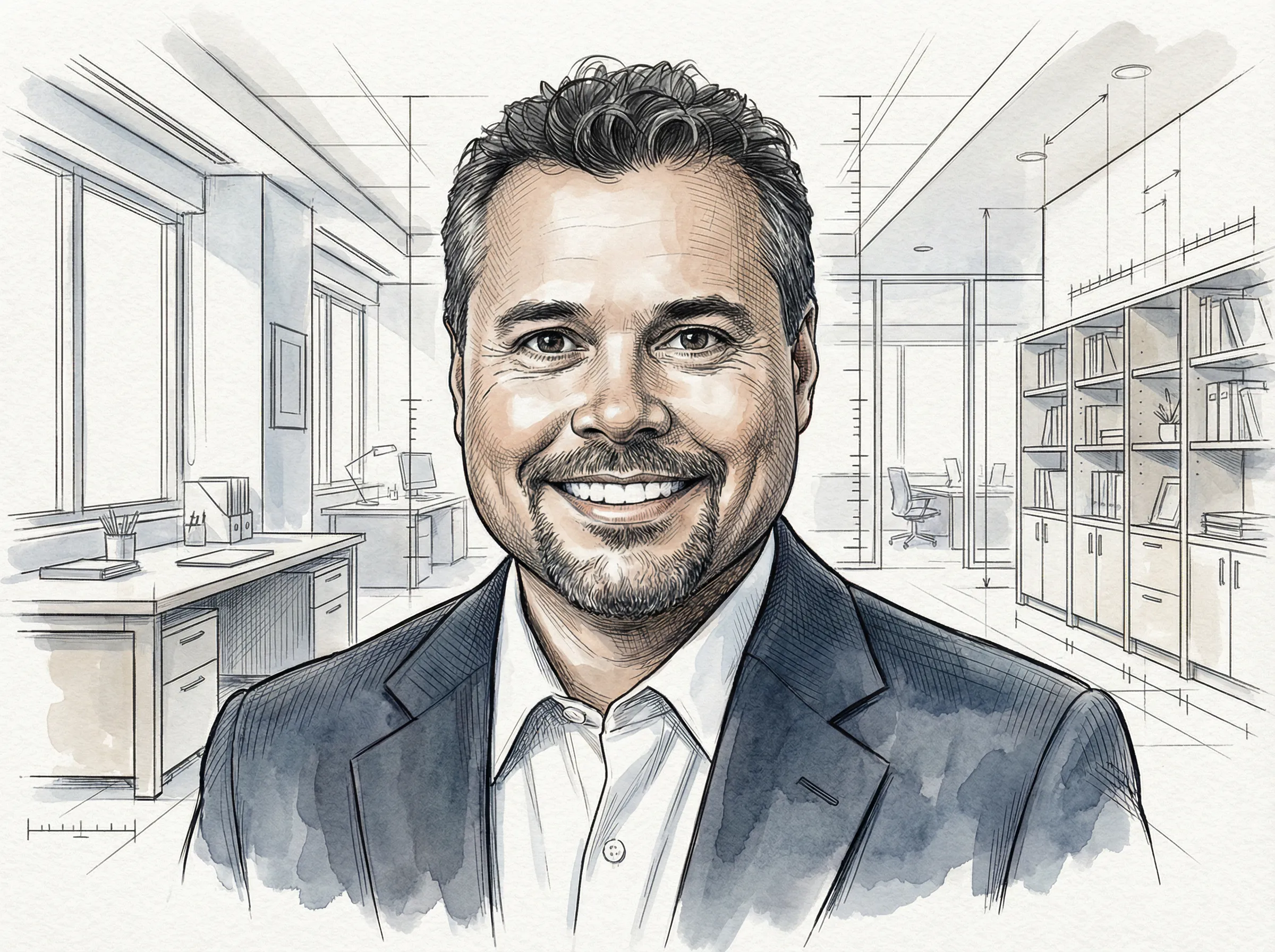
Orange County’s real estate market has seen major changes over the past year, with impacts that go well beyond normal ups and downs. In premium areas like Irvine, where the average home price is about $2.1 million, these shifts are forcing agents to rethink how they serve clients and run their businesses.
Hiram Aviles, team leader of the Aviles Real Estate Group powered by eXp Realty, has spent three decades working through multiple market cycles in Orange County. From the foreclosure wave of the 1990s to today’s environment of elevated interest rates and new regulations, Aviles says the current landscape is among the most complex he’s seen.
Commission Transparency
The biggest recent change in California real estate is the adoption of new commission transparency rules, following updates from the National Association of Realtors. These changes require agents to make their value clear to clients, as commission structures are now split between buyer and seller representation and are disclosed up front.
“It’s been the biggest change, quite frankly, in the 30 years I’ve been in the business,” Aviles says. Agents can no longer rely on automatic commissions; instead, they must demonstrate why their services justify a premium fee. “If you have no value in this marketplace as an agent, it’s going to be really tough to let people know why they should pay you top dollar for representing them.”
For agents who focus on representing sellers, like Aviles, this has meant upgrading their service offerings and sharpening their marketing strategies. In an expensive market where buyers and sellers are more cost-conscious, agents must show specific expertise and results to maintain their business.
Interest Rates Create New Pressures
Interest rates are a key factor in Orange County’s luxury market. At Irvine’s average price point, even a small change in rates can mean thousands of dollars more per month in mortgage payments. “At a 7% interest rate, that’s a hefty payment,” Aviles notes. As rates climbed over the past two years, many buyers paused their searches or hesitated to commit.
Recently, rates dropped below 6% for the first time in four years, which is starting to bring some buyers back. However, Aviles says many are still cautious, waiting to see if rates fall further before making a move. The psychological effect of higher rates is just as important as the financial one—many buyers who became used to ultra-low rates during the pandemic now struggle with the idea of locking in a mortgage at today’s levels.
The result is more “buyer remorse” during escrow, with some buyers backing out when they realize the full cost of their commitment.
Irvine’s Unique Draw
Despite these challenges, some Orange County communities remain highly sought after. Irvine consistently ranks among the safest cities in the U.S. and is known for its strong public schools. “Safety is one of the reasons a lot of people come here and relocate to Irvine,” Aviles says. “Number two is education, world-class education, public education, not private.”
This reputation attracts international buyers, especially from Asia, who move to Irvine to access top schools and a safe environment. The city’s master-planned design, access to beaches, and abundant parks add to its appeal for families willing to pay a premium.
But Irvine’s popularity has made it one of the least affordable areas in the region. Recent data shows that a household now needs an income of over $300,000 to buy a typical single-family home in the city. Aviles points out that even well-educated young professionals often cannot afford to buy in the communities where they grew up. “Kids coming out of college can’t even afford to buy in Irvine anymore,” he says, underscoring a widening generational wealth gap.
Market Normalization
After several years of a frenzied seller’s market, Orange County is returning to more balanced conditions. Aviles describes this as “market normalization,” in which the number of buyers and sellers is roughly equal, and sales volumes have leveled off. “Our market has gone from a total seller’s market a few years ago to now a normal kind of market where there are normal amounts of sales, normal amounts of buyers,” he explains.
This shift means that homes no longer receive multiple offers immediately, and sellers can’t count on bidding wars. Agents must use more sophisticated marketing and pricing tactics, rather than just putting a property on the market and waiting for offers. Buyers have more choices and take longer to make decisions, while sellers need to be realistic about pricing and expectations.
Insurance and Regulatory Hurdles
Another major challenge is the state’s growing insurance crisis. In some parts of California, insurance premiums have tripled or quadrupled, and coverage can be difficult to obtain at any price. “A lot of insurance companies pulled out of California,” Aviles says, pointing to both regulatory hurdles and heavy wildfire losses as reasons for the retreat.
These insurance challenges add another layer of complexity to already expensive transactions. Along with high taxes and rising living costs, insurance issues are pushing some residents to look outside California for more affordable options. This has contributed to a steady outflow of higher-income households, impacting both the luxury and broader housing markets.
Why Deals Fall Apart
In Orange County’s high-end market, failed deals are often due to buyer psychology rather than technical problems. “A high percentage of buyers pulling out of a deal is because they have buyer’s remorse,” Aviles explains. “They finally get into escrow, and a few days into it, realize that they’re on the hook for a couple of million dollars.”
Job security concerns also weigh heavily on luxury buyers. With larger financial commitments and uncertainty about the broader economy, some buyers get cold feet before closing. As a result, agents must be prepared for deals to unravel late in the process and need to maintain close communication with clients throughout.
A Shift Toward Community and Expertise
To adapt, the Aviles Real Estate Group has doubled down on community involvement and local expertise. Their team focuses on Northwood Village in Irvine, marketing to about 1,800 homes each month and staying active in local schools, youth sports, and volunteer programs.
“We really have gotten to be part of our community, and that has helped quite a bit,” Aviles says. Building long-term relationships and demonstrating hyperlocal knowledge has become more important as transaction volumes slow and competition among agents increases. The days of relying solely on transaction speed are over—now, agents must offer consistent value and service to retain clients.
Looking Ahead
As 2026 progresses, Aviles expects interest rates to remain the main driver of market activity. While some buyers hope for a return to the ultra-low rates of the pandemic, he predicts that rates will stabilize in the 5% range. This would be enough to keep the market moving, but not enough to restore the frenzied pace of earlier years.
The Aviles team plans to expand its marketing efforts and deepen its community engagement, while also offering more commercial and investment services for existing clients. Diversifying their business reflects a broader trend among high-end agents, who must now provide a full suite of real estate solutions to maintain strong client relationships.
For Orange County’s premium markets, the future will depend on how well agents and buyers can balance the area’s core strengths—safety, top-tier schools, and quality of life—with the ongoing challenges of affordability and regulatory complexity. Success will require agents to combine deep local knowledge with the flexibility to adjust quickly to changing market realities.
As the market settles into its new normal, both buyers and sellers will need to set realistic expectations. For buyers, this means carefully weighing long-term value and lifestyle fit against higher costs and stricter lending conditions. For sellers, it means understanding that cosmetic appeal or past price records are no longer enough—homes must be priced right and marketed effectively to attract today’s more deliberate and discerning buyers.
In this environment, those who thrive will be the agents and clients who prioritize trust, expertise, and adaptability over speed or speculation. Orange County’s high-end real estate market remains resilient, but the path forward will demand more from everyone involved.
Similar Articles
Explore similar articles from Our Team of Experts.


Real Estate Services, Residential Real Estate, Market Analysis & Policy, Industry Profiles, Top Articles
The Greater Hartford metropolitan area has rapidly become one of the most active housing markets in the country, creating both new opportunities and complex challenges for development offici...