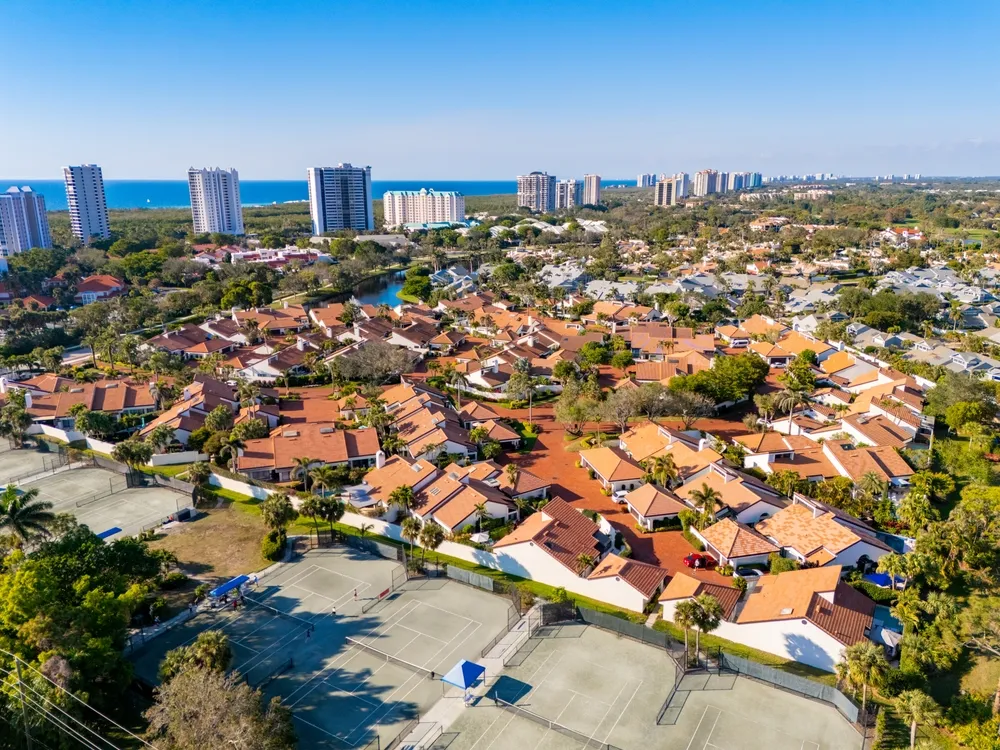
From the outside, Naples registers as a single luxury market, wealthy cash buyers competing for beachfront property. That perception isn’t wrong, but it’s incomplete enough to cost buyers money. The metro contains at least four distinct sub-markets, each with different pricing dynamics, buyer profiles, and ownership cost structures. What works in a golf community purchase doesn’t apply to a beachfront condominium, and neither resembles the calculus for an investor buying east of I-75.
Michael Downer, founder of the Quintessential Naples Team at Downing-Frye Realty and a broker associate with two decades in real estate, describes a market where the correction currently underway isn’t uniform, and where buyers getting the best outcomes are the ones who understand which sub-market they’re actually in.
A Half-Percent Monthly Decline, But Not Everywhere
Naples prices have been falling at roughly half a percent per month over the past twelve months, according to Downer. That modest correction follows the pandemic-era surge when properties drew multiple offers within hours of listing.
The correction is hitting unevenly. Well-maintained properties with documented improvements are still selling at or above asking price. Older condos carrying high maintenance fees, special assessments, or deferred work are sitting longer and absorbing steeper discounts. “Houses that are priced right are selling very quickly because buyers will pay for quality, but they expect the price to reflect the risk,” Downer says.
The shift is less about weakening demand than about buyers applying more scrutiny. Ownership costs, insurance, condo fees, flood zone exposure, now factor into purchase decisions in ways they didn’t during the pandemic frenzy, when scarce inventory justified almost any price.
Four Markets Wearing One Name
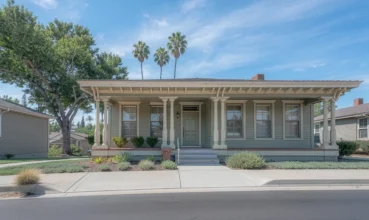
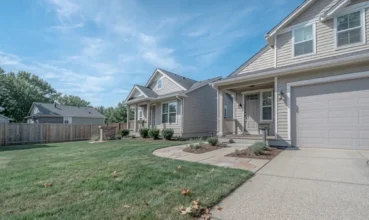
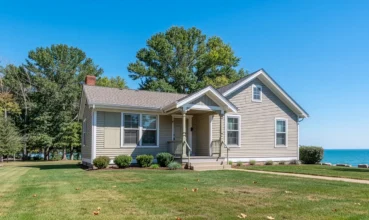
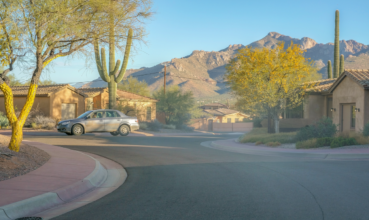
Naples contains beachfront condominiums, golf community homes, new construction, and non-gated homes east of I-75. These segments sit only miles apart but attract different buyer types with different priorities.
“People think of it as one market of wealthy people paying cash for beachfront homes,” Downer says. “That’s an important part of it, but we work with a lot of first-time buyers. We work with a lot of families.”
Lifestyle factors drive many purchases more than traditional metrics like bedrooms and square footage. Buyers may be purchasing boat access, golf memberships, or proximity to the beach. HOA and condo association rules – which vary substantially between communities – can be deal-breakers for buyers unfamiliar with the structure. Some buyers want uniform landscaping and architectural standards; others balk at restrictions on what they can do with their own property. Those are two different buyers heading to two different communities.
Where Investors Are Finding Opportunity
For capital looking to enter the market, Downer points to North Naples and Northeast Naples. These areas still carry a Naples address and remain close to beaches, but sit in less developed corridors where road extensions – Vanderbilt recently completed one – are opening up new construction and driving value. “If you’re an investor looking for new property or new construction, that’s where I’d go,” he says.
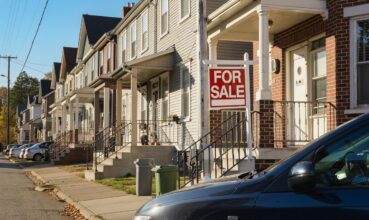
Flippers also have options. Properties requiring significant work are appearing across the market, a byproduct of buyers’ increased selectivity around condition.
Downer describes a common entry pattern: buyers purchasing small condos under $300,000 as a test run. They leave belongings, visit on weekends and for short stretches, then eventually upgrade to larger properties or better locations once they’ve identified what lifestyle they actually want. For investors, these entry-level condos represent consistent demand from a buyer pool that treats the purchase as exploratory rather than permanent.
Why Supply Stays Constrained
Naples benefits from geographic constraints that structurally limit new inventory. The Everglades sit to the south, the Gulf to the west, and already-developed communities like Estero and Fort Myers to the north. Eastward expansion runs into less hospitable terrain toward the desert corridor and eventually Miami.
That scarcity underpins long-term price stability even during cyclical corrections. Roughly 70 to 75 percent of transactions in the market are cash, according to Downer, which insulates Naples from interest rate volatility more than most metros, though he notes rates still matter indirectly. Many buyers are evaluating real estate against stocks and bonds as competing investments, and rate movements shift that calculus.
Pricing, Not Time, Determines Outcomes
Downer frames the current market through a simple diagnostic: there are only three reasons a property doesn’t sell: price, location, and marketing. Location is fixed. Marketing determines whether the buyer pool sees the property at all. But pricing is what the market is currently sorting most aggressively.
Properties sitting longer aren’t necessarily in bad locations or poorly marketed; they’re mispriced relative to condition and ownership costs. “My job is to increase the buyer pool,” Downer says. “The larger the buyer pool, the more likely you are to net more money for your house.”
For buyers, the implication is straightforward: a well-priced property in good condition won’t sit long enough for negotiation. The deals emerging in this market are on properties where sellers haven’t yet accepted what buyers now expect: documented improvements, manageable fees, and pricing that accounts for risk rather than ignoring it.
About the Expert: Michael Downer is the founder of the Quintessential Naples Team at Downing-Frye Realty and a broker associate with two decades of experience in real estate.
This article is based on information provided by the expert source cited above. It is intended for general informational purposes only and does not constitute legal, financial, or real estate advice. Readers should conduct their own research and consult qualified professionals before making any real estate or financial decisions.