
KLAUS Multiparking America‘s launch on BIMobject represents a strategic shift in how specialized building product manufacturers are positioning themselves within the digital design wor...

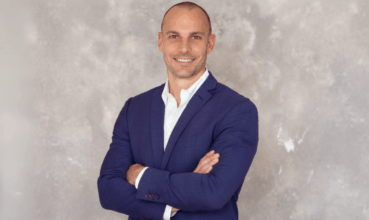
Mor Milo: 2026 Will Force Real Estate Operators to Choose - Build a Brand or Close Shop

Written by:
Date:
23 Dec 2025
Share via Facebook

Share via Linkedin

Share via X

Copy to clipboard


Transaction volumes are up, but capital markets remain cautious. Discover why this creates the perfect storm for fundamental industry change.
Commercial real estate closed 2025 with transaction volumes up 13%, signaling a corrugated recovery after years of turbulence. But Mor Milo, co-founder of Relli, sees this as the calm before a reckoning. As institutional investors continue favoring debt over equity and retail investors grow more sophisticated, 2026 will separate operators who adapt from those who fade.
“I think the mindset around retail investment for real estate sponsors will shift from negative to positive,” Milo predicts. “That will probably set a whole train of things into motion.”
The Two Camps: Fee Chasers and Patient Operators
The 2025 recovery revealed a split in how real estate operators weathered the storm. Milo identifies two distinct camps based on how firms responded to capital scarcity.
Fee chasers pushed deals that didn’t pencil properly because they needed transaction fees to keep their doors open. Patient operators waited for genuine opportunities, even if it meant slower growth. Relli deliberately positions itself to work with the latter group.
“During good times, it’s very easy to be an operator. During bad times, it’s tough,” Milo explains. The difference shows in how firms handled floating-rate debt when rates climbed from 2-3% to 7%. Operators with strong relationships with investors could inject additional equity to maintain cash flow. Those without such relationships watched their deals turn unprofitable.
“Good investor relations operations are saving good operators because they have access to the retail investor community to deploy capital into deals that might need a bit more equity,” Milo notes.
Why Institutional Capital Isn’t Coming Back
The assumption that cautious institutional investors will return as markets stabilize misses a fundamental shift. At current interest rates, debt investments offer 12-15% returns with lower risk than equity deals. Institutions don’t need to chase real estate equity when they can secure comparable returns through loans.
This creates opportunity rather than competition for retail-focused platforms like Relli. As institutions stay in debt markets, the capital vacuum opens wider for retail investors – if operators build the systems to reach them.
“I think it’s an opportunity,” Milo says of the institutional return. “People underestimate the amount of volume you need to get results consistently. What we can do is present volume.”
More capital in the market means more deals, which means more operators needing marketing infrastructure to compete. The rising tide lifts Relli’s boat specifically because the company solved the infrastructure problem before most operators recognized they had one.
The Branding Reckoning
For decades, real estate development firms operated successfully behind closed doors. A handful of institutional relationships provided all the capital they needed. No website, no marketing materials, no public presence—just personal connections and track records shared privately.
That model is dying. Milo cites examples across the spectrum: a group managing $180 million in assets with no logo or website, a $3.5 billion publicly traded European firm lacking systems to generate leads from American retail investors, professional athletes turned developers who maxed out their friends-and-family capital.
“The only issue they have is that nobody knows who they are,” Milo explains. “They have to build systems for people to not only know who they are but for those people to be consistently engaged.”
The shift from institutional to retail capital requires more than finding new investors – it demands building consumer brands. Retail investors don’t write checks based on private track records and personal introductions. They need public credibility, consistent communication, and professional presentation.
What This Means for 2026
The convergence of institutional capital staying in debt, operators exhausting private relationships, sophisticated retail investors, and accessible technology creates perfect conditions for rapid transformation. Operators building brands and retail investor relationships now will thrive. Those waiting for institutional capital or relying on existing relationships will struggle to compete.
“The longer these sponsors wait to fix this problem, the more desperate they become,” Milo warns.
For platforms like Relli, 2026 represents the year the market catches up to the problem they’ve been solving. The infrastructure exists, operators are ready, and capital is available. What remains is the psychological shift from viewing retail investors as a last resort to seeing them as a primary strategy.
Operators who recognized this early will capture outsized returns while others scramble to explain why they can’t secure capital for good deals. The choice is stark: build a brand or close shop.
To explore investment opportunities or learn about operator services, visit www.Relli.co or connect with Mor Milo on LinkedIn.
Similar Articles
Explore similar articles from Our Team of Experts.