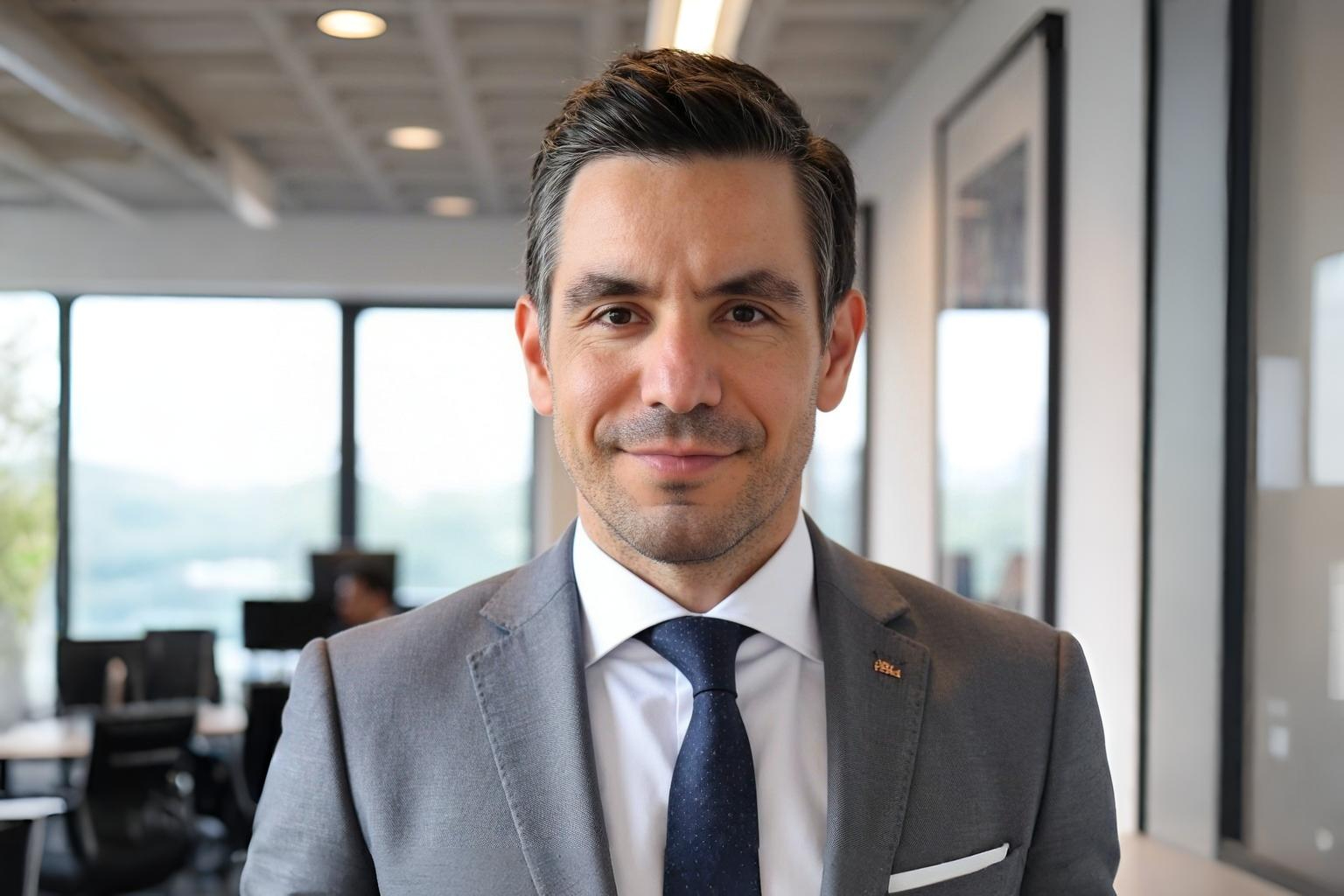
The launch of Mundi Group in New York City signals a broader shift in how experienced luxury agents are approaching team building and brokerage partnerships. Founded by Jorge Lopez, the venture represents a growing trend of established agents seeking platforms that combine operational support with technological capabilities, rather than traditional brokerage structures.
Lopez, who built his reputation on precision and client advocacy in competitive markets, structured Mundi Group around a specific premise: luxury service delivery requires both human expertise and technological infrastructure. His decision to partner with Radius, a platform designed for independent team growth, reflects changing priorities among team leaders who want control over their brand while accessing enterprise-level tools.
“I am not sure what they are waiting for, but I would encourage them to try it. There is very little downside and a big upside,” Lopez said regarding other team leaders considering similar moves toward independent operation.
The shift away from conventional brokerages stems from practical limitations Lopez experienced firsthand: geographic restrictions that prevented cross-market collaboration, rigid commission structures, and operational constraints that complicated scaling efforts. These friction points led him to seek infrastructure that could support growth without imposing the same boundaries.
Technology as Operational Foundation
Lopez’s approach treats technology as an operational layer rather than a replacement for relationship-driven service. The focus centers on data analysis for market insights, process automation for administrative tasks, and systems that provide real-time visibility into transaction pipelines. This allows agents to concentrate energy on client interaction and strategic decision-making rather than paperwork and coordination.
Radius provides the back-end infrastructure: compliance frameworks, transaction management systems, and AI-powered analytics tools. For Lopez, the value proposition was clear – access to sophisticated operational support without sacrificing brand autonomy. He described the platform as “a silent partner that powers your business and is there to support you.”
This model addresses a specific challenge in luxury real estate: the need for professional-grade infrastructure combined with flexibility to serve clients across markets and price points. Traditional brokerages typically offer one or the other, but rarely both simultaneously.
Independent Team Models Gain Traction
The Mundi Group launch coincides with Radius’s expansion into the New York market, indicating confidence in demand for alternative brokerage models. The timing suggests that enough experienced agents now prioritize operational freedom and technological capability over traditional brokerage brand recognition.
Lopez built Mundi Group’s team selection around specific criteria: professionalism, attention to detail, and client advocacy. He seeks agents who understand that technology enhances rather than replaces human judgment in complex transactions. This approach requires team members to be comfortable working with data-driven insights while maintaining the consultative relationships that define luxury service.
The platform model offers several practical advantages for team leaders: streamlined compliance management, cross-market transaction capability, and centralized technology infrastructure. These features reduce the operational burden of running an independent team while preserving control over brand positioning and client experience.
For clients, the impact centers on service consistency and market access. Teams operating on modern platforms can provide seamless support across different geographies and price segments, backed by data analysis that informs strategy rather than relying solely on instinct.
Market Implications
The emergence of platform-based team models indicates that the brokerage landscape continues fragmenting. Experienced agents increasingly view traditional brokerages as operationally limiting rather than brand-enhancing. This shift creates opportunities for technology providers that can deliver enterprise capabilities without the constraints of conventional brokerage structures.
Lopez’s advice to other team leaders considering similar moves suggests he views this as a one-way door: once agents experience the operational freedom and technological support of platform models, returning to traditional brokerages becomes less appealing. The risk profile favors experimentation, particularly for established agents with existing client bases and market credibility.
The real question isn’t whether more teams will pursue independent models, but rather which platforms can deliver the combination of technology, compliance support, and operational flexibility that makes independence viable at scale.