

Residential transactions in Bergen County, New Jersey are being limited by a long-term shortage of homes for sale, not by interest rates, according to local agents who say national housing c...

Luxury Apartment Construction in West Essex, New Jersey, May Strain the Features That Attract Buyers

Written by:
Date:
21 Jul 2026
Share via Facebook

Share via Linkedin

Share via X

Copy to clipboard

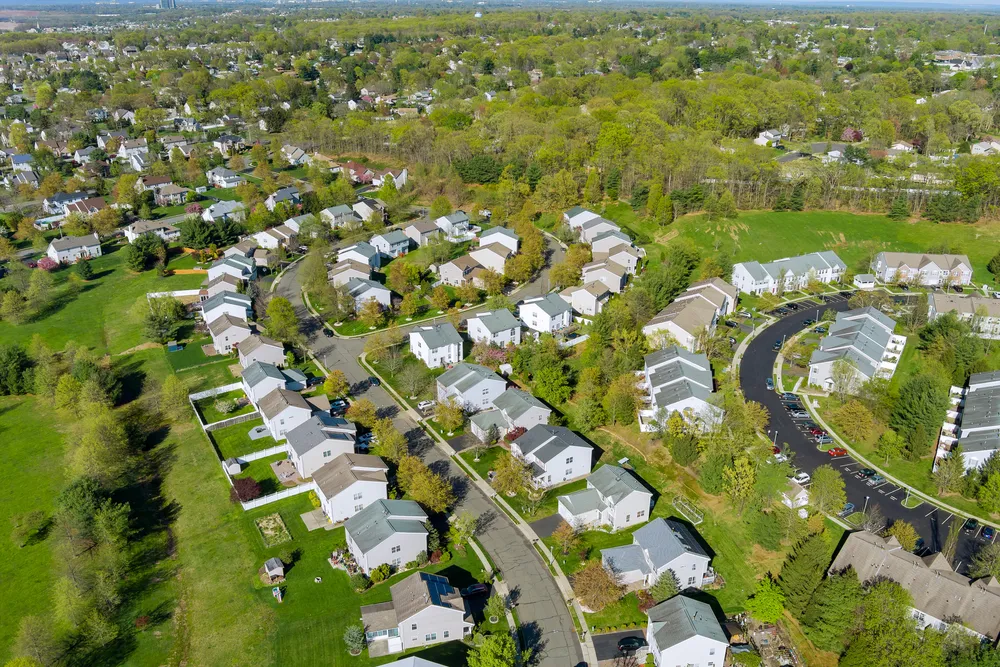
The towns of West Essex, New Jersey, draw buyers for specific reasons: proximity to New York City, walkable downtowns, and highly rated school systems. Now a wave of luxury apartment construction is arriving in the corridor, and according to one longtime local agent, it could strain the infrastructure that makes the area attractive to homebuyers in the first place.
Jennifer Szewcyk, a broker associate with Century 21 Cedarcrest Realty who has worked the West Essex market for 20 years, identifies the apartment building boom as one of the headwinds she’s watching most closely. The concern is not about competition between renters and buyers; it is about what happens to a community’s capacity when large numbers of new residents arrive without corresponding expansions to schools and local services.
West Essex’s appeal to buyers rests heavily on its commuting advantages. According to Szewcyk, the area sits within 35 to 40 minutes of Manhattan, and several towns offer direct train access to the city. That transit connectivity, combined with town centers where residents can walk to shops and restaurants, drives steady demand from New York transplants. Both of Szewcyk’s most recent listings – in Caldwell and Cedar Grove – sold to buyers coming from New York, and both closed above asking price.
Szewcyk flags school capacity as a particular pressure point, noting that the apartment construction “might affect school systems being overcrowded.” In a market where school reputation is one of the primary factors pulling buyers toward one town over another – Szewcyk names schools as the top driver of neighborhood choice – overcrowding could eventually show up in how buyers evaluate the area.
Szewcyk describes this as a forward-looking concern rather than an immediate crisis, “definitely something to be concerned about, I think, down the road.” The apartments are being built now, but the downstream effects on schools and services take years to materialize.
For buyers considering a purchase in West Essex in 2026, the question is whether to factor planned development into their decision. A town that currently has manageable enrollment and short commute times may look different in several years if multiple large apartment projects come online simultaneously.
The current market, however, remains firmly in sellers’ favor. Szewcyk says anything priced correctly is selling immediately, and bidding wars are common across the corridor, even in towns without the highest-rated school systems. She points to Little Falls as an example: it does not have a highly rated school system, yet homes there are still drawing multiple offers.
That said, Szewcyk notes a subtle shift in buyer behavior. Buyers are still waiving cosmetic issues during inspections, but they are submitting more repair requests for substantive items once a property goes under contract. Sellers are giving up more in negotiations than they were a year ago. The market remains competitive at the point of sale, but the post-contract phase now involves more friction.
Sewer line inspections are a common sticking point, according to Szewcyk; inspectors almost always find something, making it a recurring source of negotiation between buyers and sellers.
Pricing remains the decisive factor in how quickly a home sells. Szewcyk describes one recent listing where the seller insisted on a price she advised against. The property sat until she reduced it, at which point it drew multiple bids and strong activity. “It’s crucial where you price it at. It’s crucial where you start at,” she says.
For sellers who overprice and then reduce, the damage is not just lost time; it is the perception that something is wrong with the property. In a market where correctly priced homes generate immediate competition, a listing that lingers signals a problem to buyers who are already watching inventory closely.
Demand from New York buyers shows no sign of slowing. Szewcyk says the area continues to attract people leaving Long Island and Manhattan for suburban communities with direct city access. That demand floor keeps the market competitive today. Whether the infrastructure that supports the area’s appeal – particularly its schools – can absorb the population growth from new apartment construction is the concern Szewcyk is tracking heading into 2027.
About the Expert: Jennifer Szewcyk is a Broker Associate with CENTURY 21 Cedarcrest Realty, with 20 years of experience serving the West Essex, New Jersey market, including Caldwell, Cedar Grove, and surrounding communities.
This article is intended for informational purposes only and does not constitute legal, financial, or investment advice. The views and opinions expressed herein reflect those of the individuals quoted and do not represent an endorsement of any company, product, or service mentioned. Readers should conduct their own due diligence and consult qualified professionals before making any investment decisions.
Similar Articles
Explore similar articles from Our Team of Experts.