The leader of a major build-to-rent housing company is pushing back against claims that institutional investors are squeezing out individual homebuyers, citing statistics that he says tell a different story about housing availability and affordability.
“There’s a bit of misinformation in the industry,” says Richard Ross, CEO of Quinn Residences. “We’ve kind of gotten lumped into it, that the single-family rental industry is taking away homes from others who might want to buy a home, Wall Street’s buying up all the homes that you and your partner might not be able to buy because of us. That’s just not true, and it’s not borne out by the statistics.”
The Data Behind the Debate
Ross points to several key metrics that he says challenge the popular narrative: “Build-to-rent is only less than 1% of the rental supply, and home ownership has actually been consistent for the last 50 years. It hasn’t changed. And since the single-family rental business [emerged] since the GFC, it’s actually gone up, meaning that the percentage of people who own homes has gone up, not down.”
This stability in homeownership rates, Ross argues, directly contradicts the notion that institutional investors are reducing ownership opportunities for individual buyers.
Creating New Supply vs. Competing for Existing Homes
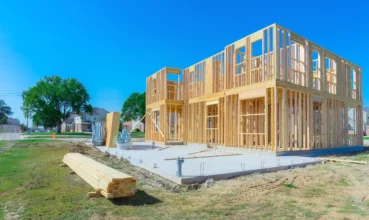
A critical distinction, according to Ross, is that build-to-rent companies like Quinn Residences are adding new housing supply rather than competing for existing homes. “We are offering an opportunity to live in a neighborhood and in a home that people otherwise couldn’t afford because of the wherewithal that they have,” he says.
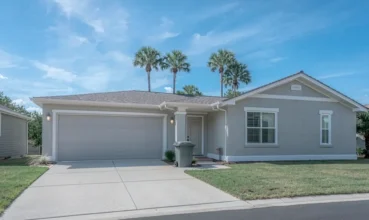
The company has developed 5,200 homes across 34 communities, representing entirely new housing stock rather than conversions of existing single-family homes.
The Rental Housing Landscape
Ross provides context for understanding the broader rental market: “There’s roughly 147 million households in the U.S. About 35%, let’s just say roughly 46 million, are rentals. And that’s been true for like 50 years.”
Within that rental segment, he notes that build-to-rent communities represent a tiny fraction of the market, despite recent growth and media attention.
Industry Evolution and Professional Management
Drawing parallels to the evolution of the apartment industry, Ross sees build-to-rent following a similar professionalization trajectory: “When I got into the apartment business in the early 90s, institutions or large operators of property owned very little of the rental stock, they now own about half of it, and these are professional managers who maintain the buildings, have sort of a bill of rights for the tenants.”
This shift toward professional management, Ross argues, has generally improved the quality and consistency of the rental experience for residents. He anticipates a similar evolution in single-family rentals, though over a longer timeframe.
Looking Ahead
While acknowledging the political sensitivity around institutional involvement in housing, Ross maintains that the data supports a more nuanced view of the industry’s impact. He encourages skeptics to review statistics from the National Rental Home Council, which he says provide additional context for understanding the actual scale and impact of institutional investment in single-family housing.