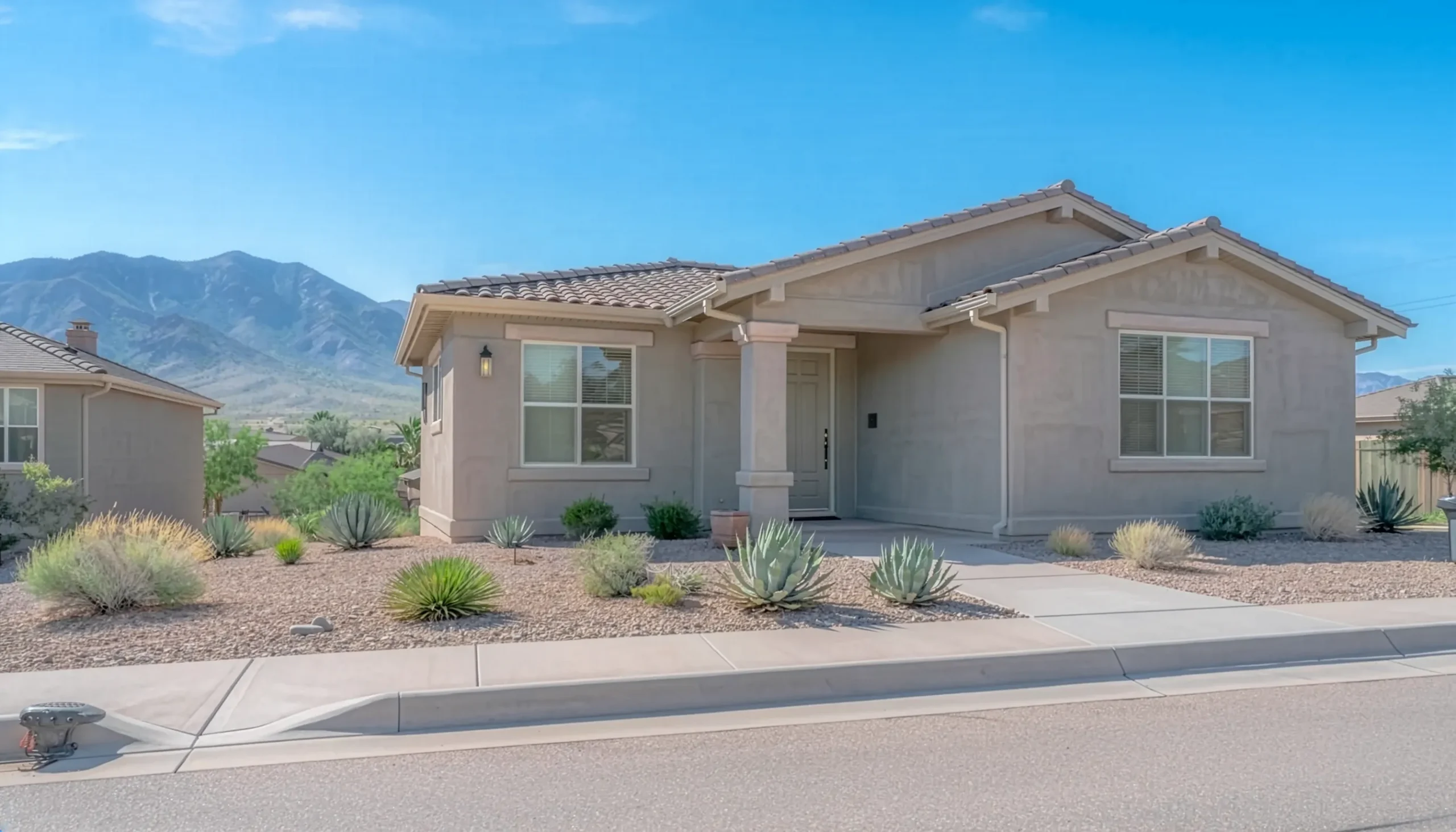
For most of the past quarter century, the Las Vegas housing market has had a release valve. When home sales slowed, rentals tended to pick up, and when rentals softened, buyers were usually active. That pattern has broken. Both markets are slow at the same time, and the stall in one is now feeding the stall in the other: homes that can’t find buyers are coming back as rentals, adding supply to a market where tenants already have more choices than owners are used to.
Demetria Kalfas-Gordon, founder and owner of Hive Real Estate Group and Property Management, has worked in Las Vegas real estate since 2002 and in property management since 2008. In that time, Kalfas-Gordon says, the city has never been in a market like this one.
Two Markets That Usually Take Turns
The usual Las Vegas pattern depends on sales and rentals moving in opposite directions, so that one absorbs what the other can’t. Kalfas-Gordon describes the break in that pattern plainly: “Normally when the sales market is really good, the rental market sometimes slows down. When the rental market is really good, the sales market slows down. We’re in a market where they’re both slow.”
The overlap matters because of what it removes. An owner who couldn’t sell used to be able to rent quickly, and a landlord facing a soft rental market could usually find a buyer. With both options narrowing at once, an owner who tries one and fails finds the other harder than expected.
Buyers Are Looking but Not Committing
The sales side of the stall starts with buyers who are active but unwilling to commit. Sellers have put homes on the market, showings are steady, and offers aren’t following. “There’s a lot of traffic at the properties,” Kalfas-Gordon says, “but nobody’s willing to pull the trigger.”
What buyers are waiting for, in Kalfas-Gordon’s view, is a return to the 2% and 3% mortgage rates they heard about during the pandemic. The market isn’t moving in that direction. Rates are going up, and so are sale prices, even though sellers are willing to negotiate somewhat. The wait, in other words, is built on an expectation the market isn’t meeting, and Kalfas-Gordon compares the result to a teeter-totter, with everyone sitting on the fence.
How Unsold Listings Become Rental Supply
For sellers, the cost of that standoff doesn’t stay on the sales side. Many of the owners who list in Las Vegas are relocating or carrying a property they no longer live in, and they can’t hold an empty house for long while the mortgage comes due. When a listing draws traffic but no offer, the fallback is to rent it, and those owners are bringing their homes to property managers instead.
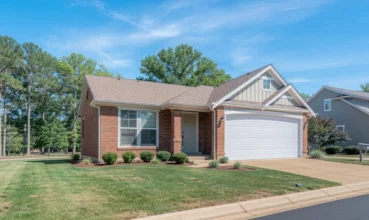
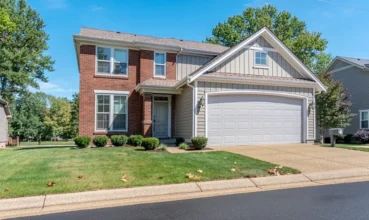
Kalfas-Gordon’s company takes on new properties every week, and the sources are familiar ones in a slow sales market. Military clients transferred elsewhere in the country often keep their Las Vegas homes as rentals, sometimes by choice and sometimes because selling isn’t a realistic option. “It’s not a good sales market right now,” Kalfas-Gordon says, “but they need to have their mortgage paid.” One recent pair came from two neighbors who moved out of state and were referred together: two three-bedroom, two-bath single-family houses a short distance apart, now being prepared for the rental market.
Each of those houses is a listing that didn’t sell, and each is now a unit competing for tenants.
Renters Are in No Hurry Either
That added supply arrives in a rental market where tenants, like buyers, can afford to wait. Renters have choices, and many households can afford neither to rent nor to buy on their own. Some move in with family; others combine with roommates to cover the cost.
That shift explains a pattern that might otherwise seem backward. In Kalfas-Gordon’s portfolio, smaller units are the ones sitting, while larger homes are still leasing, though more slowly than they once did. When two or three adults pool their income, they need more bedrooms, so demand moves up in size rather than down in price.
To close the gap, landlords are offering incentives. Kalfas-Gordon’s company has waived portions of rent and currently lets new tenants choose among a free television, half a month’s rent, or an additional month on a 13-month lease.
Owners Still Price for a Faster Market
The adjustment has been hardest for owners, whose expectations were set when Las Vegas leased quickly. Owners used to seeing a house rented within a week now want to know why theirs has been empty for one or two months. “There’s a lot of education happening right now,” Kalfas-Gordon says.
Most of that education concerns price. Rents have come down, and owners who hold out for an extra $100 a month are trading a small gain for a larger risk. That $100 adds up to $1,200 over a year, while a single additional month of vacancy costs a full month’s rent, which can take a year or more of the higher rent to recover. Kalfas-Gordon’s advice is to price at market rent, or slightly below if necessary, because vacancy is the more expensive problem.
The other variable owners control is condition. Kalfas-Gordon’s company holds every property to a rent-ready standard before it is listed, in contrast to rentals on the market with broken blinds, missing paint, or a less-than-clean interior. The goal is for a prospective tenant to walk through and conclude that management will keep up with repairs, based on how the home was presented.
Where the Stall Leaves Buyers
The same conditions pushing sellers into becoming landlords give the buyers who do act room to negotiate. As homes sit longer, sellers are more willing to cover closing costs or reduce the price, which lets an investor enter at a better basis.
Kalfas-Gordon draws a line, though, at offers far below asking, such as $100,000 under. A sale at that level becomes a comparable that lowers values across the neighborhood, including for the buyer who eventually needs to sell. “A low price can hurt you,” Kalfas-Gordon says. The better position is to buy at a fair price, possibly a home that needs work, and hold it for five to 10 years. Over that span, a house bought for $350,000 can sell for $550,000 to $600,000, on top of whatever it earned as a rental.
That is the move the teeter-totter is waiting for. Until more buyers stop holding out for lower rates, Las Vegas owners who can’t sell will keep becoming landlords, and the rental market will keep absorbing homes that were meant for buyers.
About the Expert: Demetria Kalfas-Gordon is Founder and Owner of Hive Real Estate Group and Property Management in Las Vegas, Nevada, and has worked in Las Vegas real estate since 2002 and in property management since 2008.
This article is based on information provided by the expert source cited above. It is intended for general informational purposes only and does not constitute legal, financial, or real estate advice. Readers should conduct their own research and consult qualified professionals before making any real estate or financial decisions.