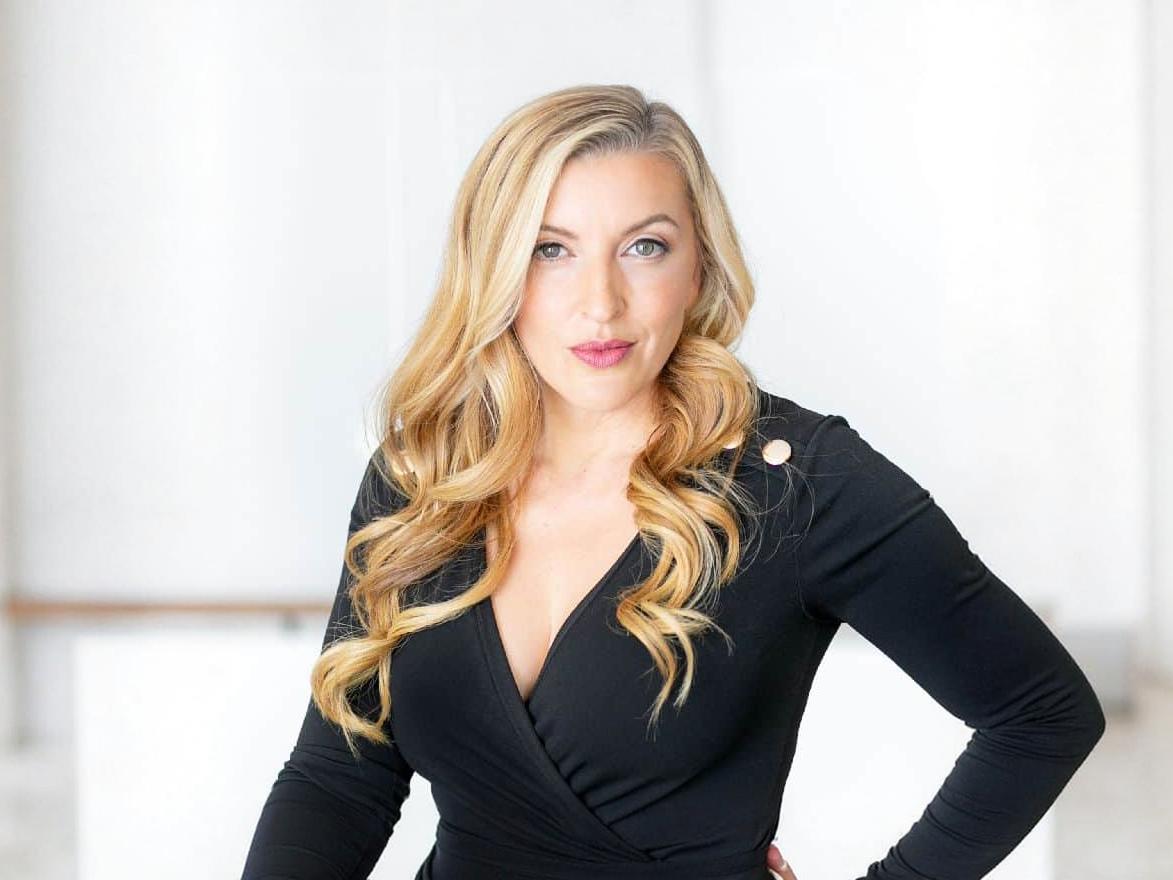
ACME Real Estate’s Courtney Poulos breaks down why recent policy changes haven’t delivered meaningful impact and what actually needs to change
The real estate industry is going through what many are calling a transformation. But Courtney Poulos, founder and CEO of ACME Real Estate in Los Angeles, says most of the headline-grabbing changes aren’t addressing the real problems.
NAR Policy Changes: Limited Local Impact
NAR recently announced major policy changes, shifting control from national mandates to local MLSs. It sounded significant. In practice, Poulos found little changed.
She called her local MLS to ask: if NAR membership is no longer mandatory, can agents still access the forms needed to do transactions? The answer, says Poulos: No. You still need NAR membership for the forms.
“The measure of policy changes is in the actual impact on the agent,” Poulos says. “In Southern California, we haven’t seen meaningful change at the local level.”
The challenge, she explains, is that MLSs weren’t designed for this new responsibility. “They were always created as a database. They don’t necessarily have the infrastructure to handle policy decisions that affect day-to-day transactions.”
What MLS Was vs. What It Is Now
The original purpose of MLS systems was clear: facilitate cooperative commission and market listings to other agents. Both functions have fundamentally changed, she points out.
Poulos adds that the cooperative commission is no longer pre-negotiated following the settlement. Marketing to agents now happens primarily through various platforms where most buyers actually search.
“Our listings go on multiple aggregator sites that are paying the MLS for the use of our data,” Poulos points out. “But the majority of real estate buyers only search on one or two platforms.”
She raises another concern: MLSs are generating revenue from IDX feeds using images and content agents pay to create, but agents don’t see that revenue.
The Case for One Nationwide MLS
For decades, Realtors have been begging for a nationwide MLS, and now might be the time. With more vocal endorsement of this concept from heavy hitters on very public stages, Poulos agrees.
“It makes sense,” she argues. “Something where we can enter our listing into a nationwide MLS, and agents who have licenses in Florida and California can access that through the same portal.”
A consolidated system would solve multiple problems: data standardization across markets, increased leverage in negotiations with platforms, and simplified costs. “With one MLS, agents would have more collective bargaining power,” Poulos explains.
The Clear Cooperation Question
Poulos states that several major brokerages have publicly stated they will no longer follow NAR’s Clear Cooperation Policy. The industry is watching how this develops.
She also adds that NAR’s attempt to address off-market listings through “delayed entry” has created new questions. The policy allows MLSs to determine case-by-case how long an agent can market off-market before being required to list publicly.
“The challenge is that MLSs may not have the context to determine what’s in the best interest of each individual seller,” Poulos says. “Every property at every price point has a different volume of prospective buyers.”
Education: The Missing Foundation
Beyond MLS issues, Poulos believes the industry needs better training systems.
“Many new agents discover once they’re licensed that the actual job is different from what they expected,” she observes. “The marketing, the constant lead generation, the business management aspects can be overwhelming without proper preparation.”
She advocates for mandatory apprenticeships, similar to medical residencies. “Other professions have structured training periods. Real estate would benefit from something similar.”
Poulos envisions a system where new licensees work under experienced agents for two years before taking on clients independently. “It would ensure agents are truly prepared before they’re representing clients in major financial transactions.”
The Bottom Line
“There’s a shift happening in our industry right now,” Poulos says. She believes that the shift will ultimately lead to simplified organizational structures and better training standards.
“The future is going to be different for the industry,” she predicts.
Courtney Poulos is the Founder & CEO of ACME Real Estate in Los Angeles and hosts “The Clean Close” podcast covering real estate industry news and trends.
- The opinions expressed in this article are those of the featured expert and do not necessarily reflect the views or positions of KeyCrew Media or its staff.