
The luxury real estate market is experiencing a significant shift as ultra-high net worth individuals increasingly seek “real estate without borders,” creating new opportunities ...

Jacksonville Has 11,000 Homes on the Market – and 8,000 Have Been Sitting for Over 60 Days, Says Agent

Written by:
Date:
17 Dec 2025
Share via Facebook

Share via Linkedin

Share via X

Copy to clipboard

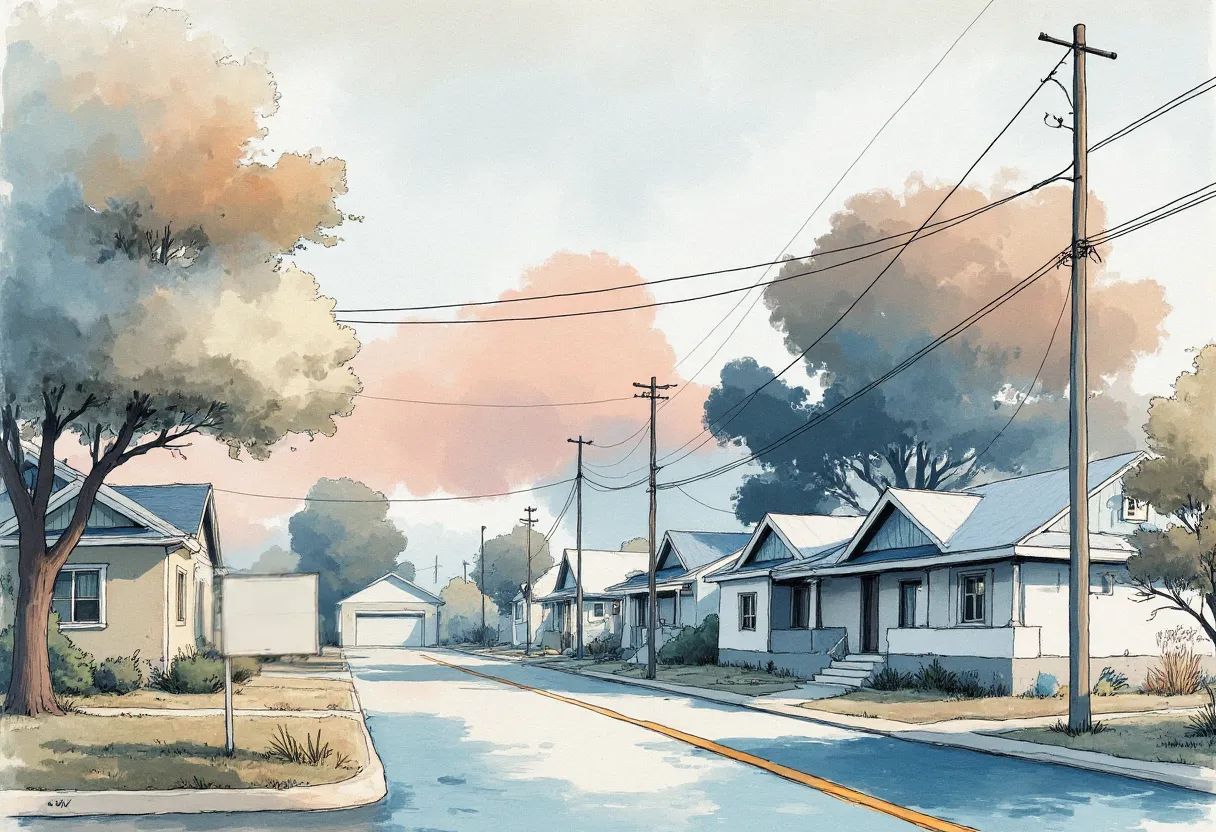
Inventory glut and weak buyer demand have created a two-tier market in Jacksonville, where only sellers willing to cut prices are closing deals, according to Jan Rice, a licensed realtor with Momentum Realty Jacksonville. As of November, about 11,000 homes are listed on the MLS, with roughly 8,000 of those sitting unsold for more than 60 days.
“We have an influx of inventory, not to mention all the builders here in Jacksonville,” Rice says. “Multiple builders are adding endless inventories of homes that are just sitting on the market. So with resale and new construction throughout the city, we’re seeing at least 8,000 homes remaining on the market month after month.”
Rice says this surge in unsold homes is not just temporary—it signals a deeper mismatch between the number of sellers and qualified buyers. Sellers who do not recognize this reality, she warns, risk having their homes linger for months without serious offers.
Supply Outpaces Demand
Rice attributes the current conditions to several converging factors. Higher interest rates have priced many buyers out of the market, pushing them back into rentals. Meanwhile, sellers are coming to market out of necessity—due to military relocations, divorces, or job changes—adding to the steady flow of new listings. With fewer buyers, homes are piling up.
“That means you have inventory up to here, but your buyer market is down to here,” Rice explains. “So it’s much tougher for homeowners to sell. For buyers, this is a great market.”
The 11,000 homes cited by Rice include only those listed in the MLS. Off-market properties and new construction communities that have not yet uploaded all their inventory make the true number of available homes even higher. This growing supply is making it increasingly difficult for sellers to stand out.
Pricing: The Deciding Factor
Rice says that sellers who succeed in this environment have one thing in common: they accept current market realities and price their homes accordingly. “Homeowners who are realistic about pricing, and work with agents who keep them informed about market conditions, tend to sell much faster,” Rice notes.
By contrast, sellers who list at aspirational prices—hoping to “see what the market will do”—are seeing their homes sit while better-priced properties move. Rice says many owners set a bottom-line price they refuse to go below, but in today’s market, inflexible pricing means missed opportunities.
The situation is especially challenging for sellers with little equity, such as military families who bought two to three years ago. Many cannot afford significant price reductions but must sell due to life changes. Sellers with more equity—sometimes over $100,000—have greater flexibility and can adjust pricing to compete.
“Your home can be the best on the block, but if there are 10 others around the corner, buyers have options,” Rice says.
Neighborhoods with Stronger Demand
Despite the overall slowdown, Rice identifies parts of Jacksonville that are still seeing relatively brisk sales. North Jacksonville zip codes 32218, 32225, and 32224 have maintained steadier absorption rates. Additionally, areas with highly-rated schools—such as St. Johns County, St. Augustine, and Clay County’s Oak Leaf school district—continue to attract buyers who are ready to act quickly.
“In those areas with top schools, homes tend to go under contract or pending quickly because buyers are now more cautious and selective about where they purchase,” Rice says.
Still, even in these stronger submarkets, Rice stresses that realistic pricing is essential. Buyers are taking their time, focusing on homes that meet long-term needs rather than making quick decisions.
Looking Ahead: Prolonged Pressure
Rice’s outlook for the next 12 to 18 months is clear: Jacksonville will remain a buyer’s market, and sellers should not expect a rapid turnaround. “I think interest rates are going to stay about where they are, and that’s going to force homeowners to adjust their list price. Every month, new homes come on the market, which means sellers need to stay competitive—and that always comes down to price,” she says.
She expects inventory to remain high and pricing pressure to persist at least through the summer of 2026. While more buyers typically enter the market during spring and summer, Rice believes the number of homes for sale will continue to outpace demand, keeping negotiations in buyers’ favor.
Her advice to prospective sellers is direct: “If you’re not willing to pivot with this market, don’t place your home on the market. Don’t do it.”
A Strategy Grounded in Reality
For those who must sell, Rice recommends a strategy focused on education and honest assessment. “Be realistic about current market conditions and understand what buyers are experiencing,” Rice says. “Sellers who are aware of buyers’ perspectives will better understand their own position and make smarter decisions.”
Rice’s firm, Momentum Realty Jacksonville, emphasizes a business-minded approach. The brokerage aims to help agents and clients understand real estate as both a service and an investment, encouraging portfolio growth alongside traditional sales.
Whether Jacksonville’s extended buyer’s market persists will depend on factors beyond the city’s control, including national interest rates, economic trends, and migration patterns. For now, Rice’s message is unequivocal: sellers must accept that the market has shifted, and only those who price accordingly can expect to close a deal.
Similar Articles
Explore similar articles from Our Team of Experts.