Investors looking at upstate New York’s Catskill area as an alternative to the expensive downstate market are arriving with one set of assumptions and finding a different set of facts. The pitch makes sense on paper, lower prices, lower taxes, proximity to New York City. But agents working the market say the gap between what investors expect and what they actually find is wide enough to stall deals.
Roxana Orrego, a real estate salesperson with RVW Select Properties, a firm that has operated in the Catskill area for four decades, has been fielding an increasing number of calls from downstate investors over the past year. She is currently working with multiple buyers searching for multifamily properties in the area, and watching most of them struggle to close.
The first problem is inventory. Multifamily properties in Catskill are scarce, and the ones that do come to market often carry asking prices that don’t support the returns investors are targeting. Orrego says the investors she works with are looking for returns above 8% to make a deal worth doing. Many of the available properties don’t get there, either because the price is too high relative to current rents or because the building’s condition requires more capital than the buyer budgeted for.
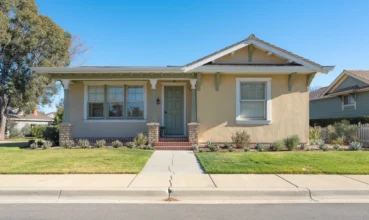
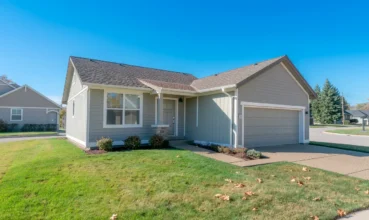
That condition issue is the second problem, and it catches many buyers off guard. The expectation, particularly among investors who haven’t spent time in the area, is that a property listed at a reasonable price will be close to turnkey or require only light work. Orrego says that the assumption is wrong more often than not. Many of the older buildings in the Catskill market need significant renovation before they can be rented reliably or command market-rate rents.
The renovation problem is compounded by a labor shortage specific to the region. The Catskill area lacks the construction workforce available in denser markets. Contractors are harder to find, timelines are longer, and the cost of work can run higher than investors project when they are doing their initial underwriting from a spreadsheet in New York City. An investor who plans to buy, renovate quickly, and place tenants within a few months may find that timeline stretches to a year or more.
Tenant stability is the third factor investors underestimate. Orrego says the investors she works with are specifically looking for properties with long-term renters already in place. High tenant turnover is a red flag she raises early in conversations, not just because of vacancy costs, but because finding reliable replacement tenants in a smaller market takes longer than in a city. A multifamily building with frequent turnover signals something about the property, the management, or both.
None of this means Catskill is a bad market for investors. The underlying case remains intact. Greene County property taxes are lower than those in most surrounding counties, which improves net operating income for any given property. The area is roughly two hours from New York City, keeping it within reach for owners who want to be hands-on. And the town of Catskill itself has seen visible improvement over the past five years, new businesses, restaurant openings, and public investment in the downtown corridor, strengthening the case for long-term rental demand.
But the investors who succeed in this market, based on what Orrego describes, are the ones who arrive with realistic renovation budgets, patience for a longer timeline, and a clear-eyed view of what the local labor market can actually deliver. The ones who struggle are treating Catskill like a faster, cheaper version of a downstate transaction.
The math can work. Orrego notes that affordability relative to the New York City metro area is real and durable, not a temporary condition. But the deals that pencil out require more due diligence than the headline numbers suggest, particularly around construction costs and tenant history.
One data point worth building into any underwriting: Orrego says properties priced below $300,000 tend to move faster in the current market, while those above $500,000 are sitting on the market longer. For multifamily investors, that price sensitivity shapes both the acquisition side and the eventual exit.
Looking ahead, the Catskill market is likely to remain attractive to downstate capital precisely because of the price gap. But as more investors arrive with tighter expectations and shorter timelines, the properties that actually meet their criteria will only become harder to find. The investors positioned to benefit are those willing to hold longer, budget conservatively, and treat the local market on its own terms rather than as a projection of what they’re used to downstate.
About the Expert: Roxana Orrego is a real estate salesperson with RVW Select Properties, a firm that has operated in the Catskill area of upstate New York for four decades, where she works with investors navigating the gap between downstate expectations and local market realities.
This article is intended for informational purposes only and does not constitute legal, financial, or investment advice. The views and opinions expressed herein reflect those of the individuals quoted and do not represent an endorsement of any company, product, or service mentioned. Readers should conduct their own due diligence and consult qualified professionals before making any investment decisions.