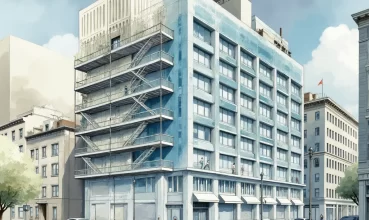
Hartford’s effort to convert vacant office buildings into housing reveals the limits of adaptive reuse as a large-scale solution. The city’s experience shows the idea is appealing, but e...

Rising Insurance Premiums Derail LA Real Estate Deals Before Closing

Written by:
Date:
23 Sep 2025
Share via Facebook

Share via Linkedin

Share via X

Copy to clipboard


The Los Angeles luxury real estate market is facing a growing crisis that has nothing to do with interest rates or property values – skyrocketing insurance costs in fire-prone areas are derailing transactions before they even begin, according to a leading market expert.
“Before we even write an offer, we say, talk to some insurance people and see what insurance would be, and it deters people from even writing offers,” says Max Shapiro, Partner at Westside Estate Agency, describing a fundamental shift in how buyers approach properties in certain areas.
The Palisades Crisis
Nowhere is this insurance-driven market disruption more evident than in the Palisades, where Shapiro points to a stark imbalance between supply and demand. “There’s been like a little over 100 building permits issued, and there’s like 265 lots for sale,” he notes, highlighting how insurance concerns are affecting even raw land values.
The price adjustments have been dramatic. “They’re coming on at 3 million, and nothing’s happening. And then they’re like, ‘Okay, we’ll sell for a million and a half,'” Shapiro explains, describing the steep discounts sellers are accepting as insurance realities set in.
Permit Problems Compound Insurance Issues
The challenges don’t end with insurance costs. According to Shapiro, even when buyers are willing to proceed, they face additional hurdles in the building process. “You gotta jump through hoops to get these permits that were promised if you’re going to build the same footprint plus 10%, those aren’t being thrown out as easily as we were told.”
This combination of insurance costs and permit complications has created what Shapiro calls a “very long” runway for market recovery. “I don’t see that going away for a very long time,” he says of the insurance challenges, suggesting this could represent a permanent shift in how certain areas are valued.
Market Implications
The impact extends beyond just individual transactions. Shapiro argues these insurance-driven market changes are forcing a fundamental reassessment of property values in fire-prone areas. “It’s just another issue,” he says, listing it alongside other market challenges like commission pressures and sellers’ price expectations.
For buyers and sellers in affected areas, Shapiro’s insights suggest the need for a new approach to evaluating properties, one that factors in not just purchase price but long-term insurance costs and permit feasibility. This shift could permanently alter the market dynamics in some of LA’s most desirable neighborhoods.
Similar Articles
Explore similar articles from Our Team of Experts.