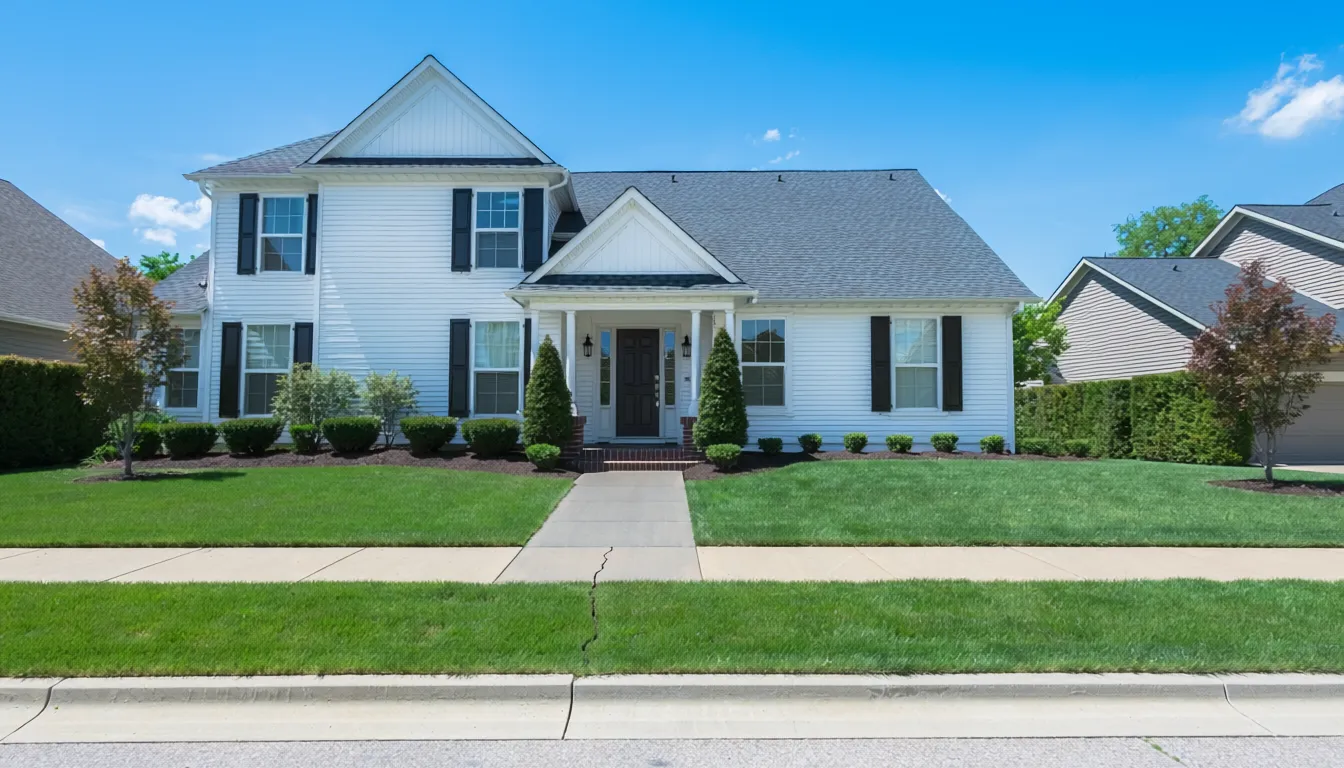
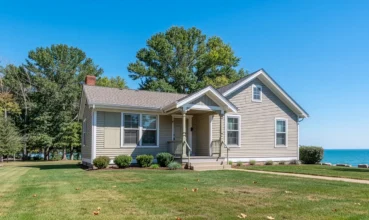
In most U.S. housing markets, the conversation in late 2026 centers on rising inventory and price adjustments. In Westwood, Massachusetts, a commuter town roughly 30 minutes west of Boston, neither condition applies. The town currently has about 20 homes listed for sale, a figure that has held relatively steady for years, according to Tammy DeWolfe, founder of the DeWolfe Group and a Westwood resident for more than 20 years. Two decades ago, roughly 75 homes might have been available at any given time. For a municipality with a population over 16,000, that level of supply keeps buyer competition alive even as other parts of the country cool.
The scarcity persists because of a specific combination: Westwood sits directly on a major highway, has commuter rail and bus service, and maintains a well-regarded public school district. Those attributes draw families relocating from Boston and from other parts of the country, and they make existing homeowners, many of whom locked in mortgage rates around 2.5 to 3 percent, reluctant to leave.
Where Homes Move Fast
The market’s most active price band runs from about $1.1 million to $1.5 million. Homes in that range sell quickly and frequently draw offers above asking price, roughly 3 percent over, according to DeWolfe.
The broader $1 million to $2 million range remains the town’s core market. Above that, properties tend to sit longer. Part of the explanation is seasonal: the summer market in this part of Massachusetts slows as residents travel, particularly to Cape Cod. But part of it is structural. “People who can afford the higher end market, they can pick and choose when they want to purchase,” DeWolfe says. “They don’t have to purchase right away, typically.”
When listings linger, the causes are familiar: price, condition, or location-specific drawbacks like a steeply sloped yard. Less familiar, relative to national trends, is the degree to which sellers are now adjusting. DeWolfe reports seeing closing cost credits return after an absence of several years, along with home warranties covering aging mechanicals and a greater willingness to accept price reductions. Her own pricing approach reflects the shift: she advises listing slightly below comparable market data to generate broader buyer interest and drive the final price upward through competition.
Transit Access Separates These Towns
Westwood’s competitive position becomes clearer against its immediate neighbors. Dover, a nearby town known for the lowest property taxes and highest per capita income in the area, offers large lots, equestrian trails, and a top-ranked regional school district shared with Sherborn. But it lacks direct highway or rail access; reaching either requires passing through another town. That inconvenience shapes both pricing and buyer profiles. Dover attracts executives and buyers seeking acreage; Westwood draws families who prioritize commutability.
Norwood, on the other side, offers more affordable pricing, multiple train stations, and access to two highways. It is more densely populated and has a larger rental market. DeWolfe describes Westwood as sitting between the two: “Westwood is kind of a combination between the two towns, and we’re on the highway.”
The transit factor affects how well towns hold value during downturns. “The towns that don’t have public transportation, when we see a dip in the marketplace, those towns dip a little bit more,” DeWolfe says.
New Construction Is Scarce and Expensive
Large-scale residential development is largely absent from Westwood and its surrounding towns. Land parcels are small by national standards, and when available lots appear, the tendency is to maximize density through cluster housing or, closer to the city, condominium or apartment construction.
In Westwood, new construction mostly takes the form of teardown-and-rebuild projects, a smaller ranch-style home removed and replaced with a larger single-family house. These finished properties typically start at around $2 million, with most landing closer to $3 million. “If you found one for $2 million, you’re doing pretty good because that’s just not normal here in Westwood,” DeWolfe notes.
For investors considering flip opportunities, the math is constrained by the same scarcity. Contractors look for homes priced under $1 million that can be rebuilt or expanded and resold in the $3 million range. Those properties rarely come to market. DeWolfe’s advice is direct: “If you get a house that’s under a million dollars and it’s decent and it’s in a good spot and you can either build up on it or take it down and build a bigger house, you should jump on it.”
Rental Demand Outpaces Supply
Single-family rental inventory in Westwood is thin. Families relocating to the area, particularly those arriving from other states, often prefer to rent before committing to a purchase, creating steady demand that the existing stock does not satisfy. Norwood, with its denser housing stock and stronger commuter access, carries more rental volume, with rents ranging from $2,500 to $4,400 depending on property quality.
In Westwood, condominium rentals near the train station represent a potential opportunity, but supply is limited. DeWolfe sees the shortage as durable: families consistently want to test the area before buying, and the pipeline of available single-family rentals has not kept pace.
Buyer Confidence Has Caught Up to Rates
Two years ago, rising interest rates froze much of the local market. That hesitation has largely passed. Open houses in Westwood routinely draw 10 to 15 visitors, and motivated buyers are proceeding with purchases. “They understand that there are other options; they can get an adjustable arm, or they can refinance,” DeWolfe says. “They get that more now than they did two years ago.”
Many existing homeowners, meanwhile, remain locked in place by their low mortgage rates. Rather than sell, some are choosing to retain their current home as a rental, take the equity, and purchase a second property. DeWolfe expects the market to remain steady and says that if rates decline, activity will pick up further. “I don’t see anything really changing, to be honest with you.”
About the Expert: Tammy DeWolfe is founder of the DeWolfe Group, covering Westwood, Massachusetts, where she has been a resident for more than 20 years.
This article is based on information provided by the expert source cited above. It is intended for general informational purposes only and does not constitute legal, financial, or real estate advice. Readers should conduct their own research and consult qualified professionals before making any real estate or financial decisions.