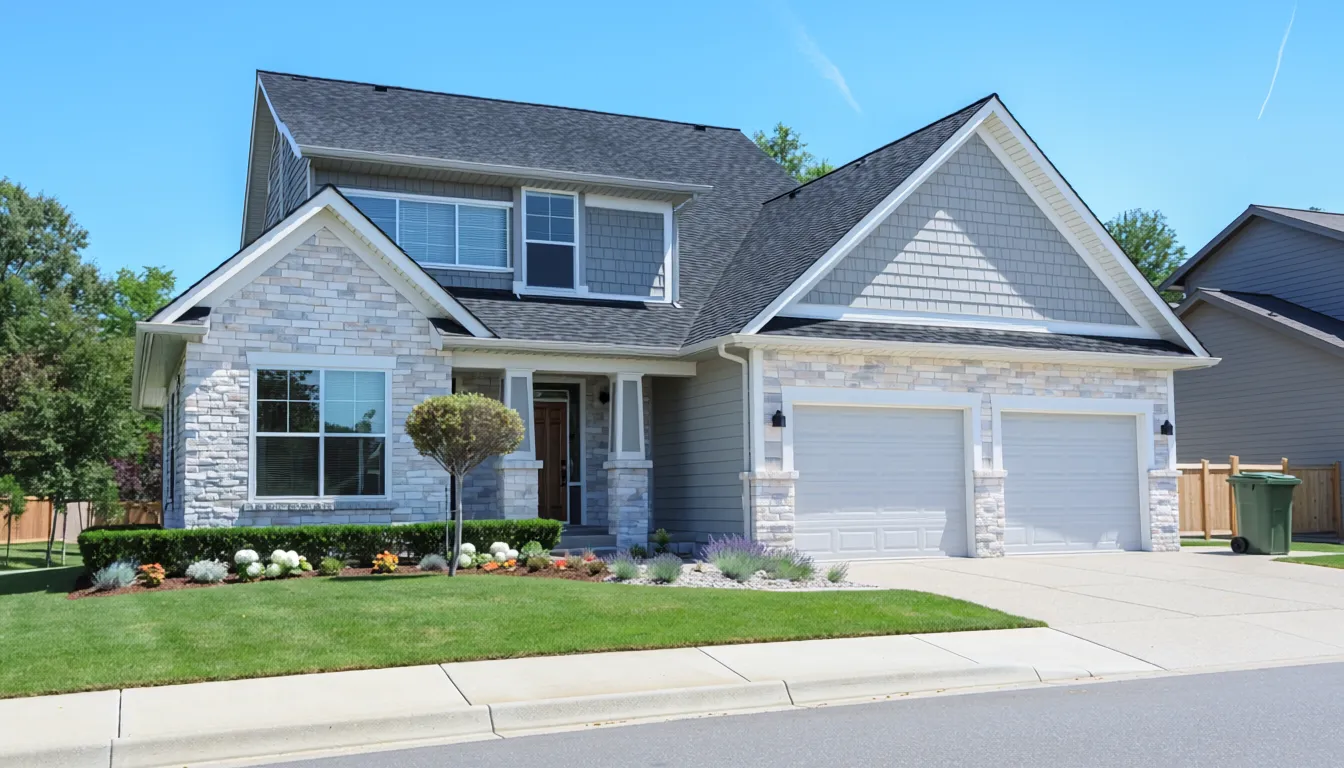
Buyers in Chicago’s western suburbs are competing aggressively for homes, yet overpriced properties sit and stagnate. Sellers hold leverage, yet many refuse to list because they cannot find their own next home. The result, according to Chris Pequet, a broker with Jameson Sotheby’s International Realty who has sold real estate in this market for more than 35 years, is a market where pricing discipline – not just demand – determines which listings attract multiple offers and which ones linger.
Pequet describes buyer psychology that is more nuanced than raw demand numbers suggest. “If someone puts a house on the market that is extremely overpriced, they will walk away from that,” she says. “But if it comes on at a very fair price, they’re willing to overpay to get it.”
That distinction matters for anyone trying to understand the pricing mechanics in a low-inventory suburb. Buyers are not bidding blindly. They are responding to perceived value, and punishing sellers who skip that step.
A Market Running on Scarcity
Inventory in Chicago’s western suburbs has been tight for roughly 18 months to two years. In Hinsdale, one of the area’s flagship communities, the contrast with previous cycles is stark. Pequet tracks the numbers herself: in 2008, approximately 385 homes were on the market in Hinsdale at one time, with roughly 17 under contract. Today, the community has about 60 listings at any given time, with roughly half under contract.
That compression has made the market fundamentally different from most of the last two decades. Homes priced correctly draw multiple offers and sell faster than historical norms. But the scarcity has also created a structural bottleneck that keeps feeding itself.
Pequet says sellers recognize they are in a strong position but will not list until they know where they are going. The result is a self-reinforcing cycle: low inventory discourages listing, which keeps inventory low. Each transaction that does close potentially frees up a new listing, but only if the seller successfully competes for a replacement home first.
Why Rate Sensitivity Is Lower Here
One factor distinguishing this market from many others is how buyers respond to interest rates. Because the western suburbs are not predominantly a first-time-buyer market, rate movements carry less weight in purchasing decisions. Buyers moving from a downtown Chicago condo to a suburban home after a second child, or downsizers staying within the same community, tend to have enough equity or income flexibility to absorb current rates.
Pequet says these buyers plan to refinance when rates drop. “I’ll get into the house I want, but when interest rates come down, I’m just going to refinance,” is how she describes their thinking. At spending levels around $800,000, buyers still have lending options that make the math work, even if it requires adjusting their target by roughly $100,000.
The deeper frustration for buyers is not cost; it is selection. After waiting a year or more for conditions to change, many have shifted their stance. Pequet says that early on, buyers were content to wait. “After they waited for a year, they’re thinking, ‘Forget it, I’m getting in because I need a house.'”
What Investor Capital Should Understand
For investors considering the western suburbs, Pequet points to a specific dynamic shaping demand. Younger buyers moving to the suburbs tend to have dual incomes and heavily scheduled family lives, multiple sports, activities, and two working parents. They want updated homes but lack the time for renovation projects.
That gap creates an opening for investors willing to buy dated properties and renovate them to current tastes. Sellers of older homes are often willing to price below new-construction levels and move on, while renovated properties command higher prices because buyers can move in without managing a project themselves. “The things that are dated will sell less than something that has the whole new look,” Pequet says.
For larger-scale development, the constraints are more structural. The western suburbs are largely built out, making sizable land parcels scarce. When developable land does surface, zoning approval presents its own friction. Pequet says community residents tend to support growth in principle but resist it nearby. “A lot of people want to see the community grow, but just not next to me.”
That resistance adds time and uncertainty to any multi-unit project, making smaller renovations a more predictable path to returns in this market.
The Listing Logjam
The most persistent challenge facing this market remains the same one that has defined the last two years: inventory. Pequet identifies it as the single biggest headwind. The catch-22 between selling and buying keeps a significant pool of potential listings off the market.
The cycle breaks one transaction at a time. A seller finds a listing, competes against multiple bidders, wins, and then puts their own home on the market, freeing up supply for the next buyer in line. “You find that seller a place that has come on the market, now there’s four, five, eight people bidding on it, but if they get it, then they can put their place on the market,” Pequet says.
For buyers, the practical implication is that patience and pricing awareness matter more than timing the rate cycle. The homes that move fastest are the ones priced to signal value from day one, and buyers who recognize that dynamic are the ones willing to bid above asking to secure them. For sellers, the lesson is equally direct: the strongest offers come not from listing high and negotiating down, but from listing at fair value and letting competition do the work.
In a market defined by scarcity and self-reinforcing constraints, the transactions that close fastest share one trait: the seller trusted the comparable data on day one rather than testing the market’s ceiling.
About the Expert: Chris Pequet is a broker with Jameson Sotheby’s International Realty, covering Chicago’s western suburbs, including Hinsdale, for more than 35 years.
This article is based on information provided by the expert source cited above. It is intended for general informational purposes only and does not constitute legal, financial, or real estate advice. Readers should conduct their own research and consult qualified professionals before making any real estate or financial decisions.