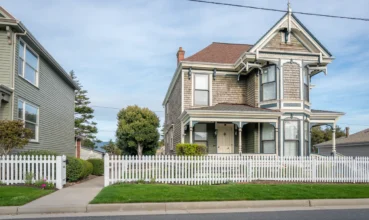
Tracy, California sits roughly an hour from San Francisco, San Jose, and Sacramento – a position that has long made it a magnet for Bay Area commuters seeking more house for less money. But in 2026, that calculus has grown more complicated. Inventory is climbing, homes are averaging about 45 days on the market, according to Emad Basma, a 23-year full-time real estate veteran who leads Agent4Life Realty in Tracy, and sellers are discovering that pricing against comparable listings is no longer enough. They now have to price against new construction loaded with buyer incentives.
The result is a market where preparation and pricing strategy carry more weight than they have in years, and where sellers who ignore builder competition risk watching their listings stagnate.
A Commuter Market Under Pressure
Tracy’s appeal has always been tied to proximity. The city sits near the intersection of Interstates 580, 205, and 5, making it accessible to employment centers across the Bay Area and Sacramento. That accessibility, combined with lower housing costs, has driven steady population growth – roughly 9% since 2020, according to Basma.
But the same affordability that draws buyers also makes them sensitive to shifts in interest rates and commuting costs. With rates elevated, purchasing power has contracted. A buyer who could qualify for a million-dollar home at 3% can afford considerably less at 6% or higher. Prices have dropped approximately 10%, and inventory has expanded.
Yet elevated rates and economic uncertainty are keeping many buyers on the sidelines. Basma says properties are getting plenty of views, but decisions are taking far longer. “People are on the fence with all the political stuff going on, the high interest rates,” he says. “It takes them a lot longer to make a decision.”
First-Time Buyers Lead, but Investors Are Circling
The buyer pool is mixed. First-time buyers represent the most active segment, often relying on parental help for down payments to offset reduced purchasing power. Bay Area transplants continue to arrive, drawn by the price gap – a 3,000-square-foot rental in Tracy runs about $3,000 a month, compared to $3,800 for a one-bedroom apartment in San Jose, by Basma’s account.
Investors are also entering. With prices down and rental rates relatively strong, cash buyers see an opportunity. “Cash is king,” Basma says. “The return on investment is pretty good now because the prices have really gone down.”
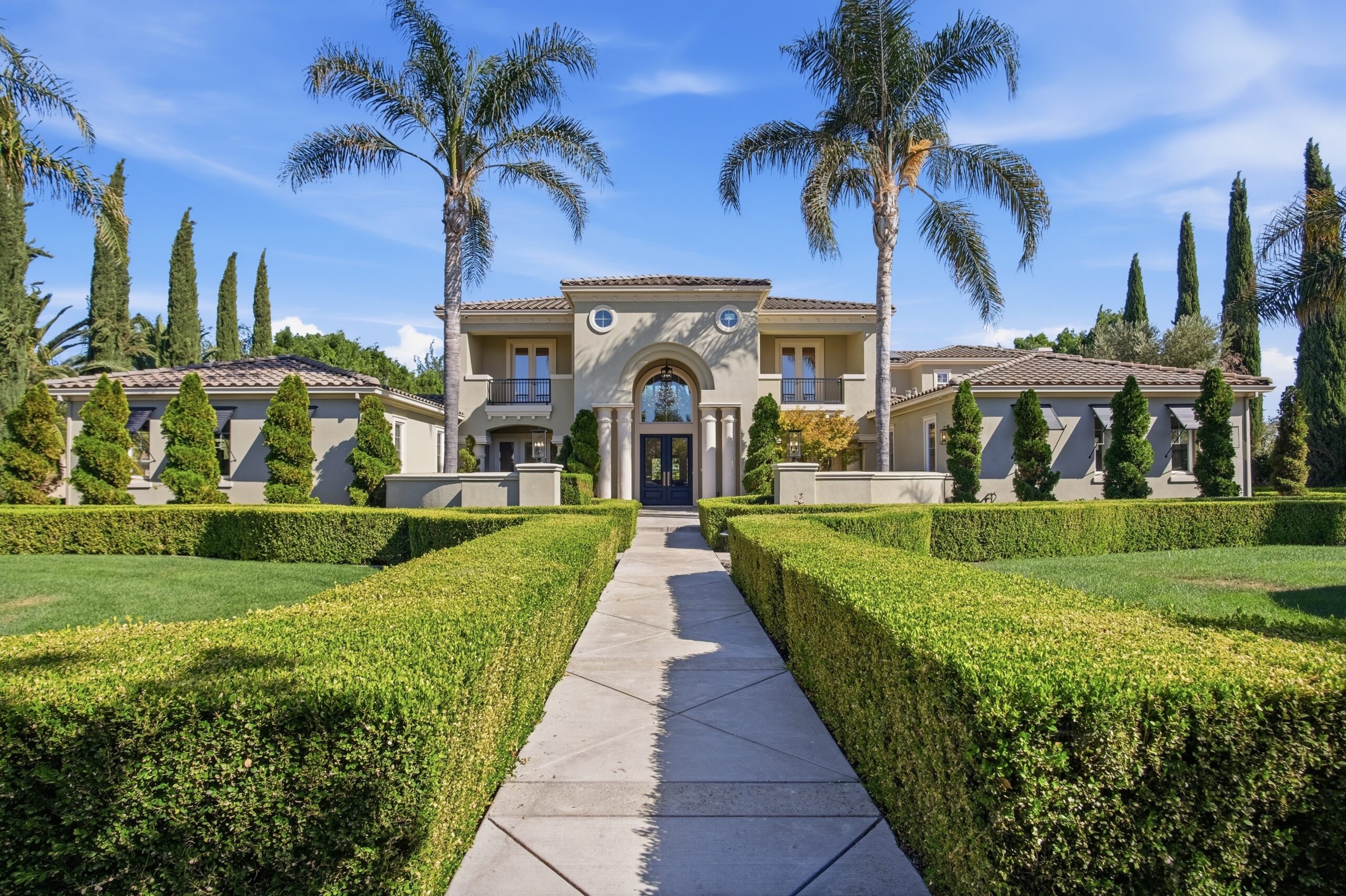
The luxury segment is behaving differently from the broader market. Basma notes that listings above $2 million are drawing offers relatively quickly when priced correctly. The buyers are often Bay Area residents who recognize they can get a comparable property for roughly half the cost by driving 20 to 30 minutes east. He points to one of his current listings at $3.65 million – a home he says would cost $7 million to $8 million in the Bay Area.
The Builder Problem
The most consequential competitive pressure on Tracy’s resale market is not other resale listings – it is new construction. Builders are offering closing cost credits, rate buydowns, and free options that resale sellers typically cannot match. When a buyer can get a brand-new home with those incentives at a comparable price, the case for buying a resale property weakens considerably.
This dynamic means sellers who price based on what other resale homes are listed at – rather than what builders are offering – are miscalculating. “If you don’t give the same incentives, they’re going to go buy a brand new one,” Basma says. “It doesn’t make sense to buy a resale home when they can get a new one with all these wonderful incentives.”
The homes sitting longest tend to be those priced to match other stale listings rather than priced to compete with the full market, including new builds. Basma puts it bluntly: if sellers price based on what is already sitting unsold, their home simply joins that pool.
Preparation as a Pricing Strategy
In a market where buyers have options and time, condition at listing has become a differentiator. Basma describes a preparation process that includes pre-listing inspections, vendor-coordinated repairs, painting, flooring, and full staging before a home hits the MLS.
The logic is straightforward: a home that shows well on day one captures the narrow attention window that matters most. “The first week or two on the market – that’s the best time a house will have exposure-wise,” he says.
He estimates staging alone runs between $4,000 and $5,000 per listing. His team absorbs that cost, along with cleaning, photography, and landscaping, as part of a flat fee. In a market where buyers can walk across the street to a builder offering a turnkey product with financing incentives, a resale home that looks unfinished or dated loses before price negotiations even begin.
What Comes Next
The near-term trajectory hinges on rates. If they come down, Basma expects the market to stabilize as affordability improves. If they stay elevated – or rise further – he sees prices continuing to soften as inventory accumulates.
“If the economy stays as this and interest rates go up, I can see home prices going down a little bit more because the inventory is just going to increase and increase,” Basma says.
School district boundaries remain a meaningful price driver within Tracy’s several zip codes, with premiums of $20,000 to $40,000 for homes in preferred districts. Surrounding communities like Mountain House, Manteca, and Lathrop each carry their own pricing dynamics, shaped by school quality, commute tolerance, and housing stock age.
For sellers weighing whether to list now or wait, Basma’s advice is direct: if they do not need to sell, waiting for better conditions may be the stronger move. Many homeowners, he says, are staying put rather than selling into a market where they would take a loss or accept a price they never expected to see.
About the Expert: Emad Basma is a full-time real estate professional with 23 years of experience who leads Agent4Life Realty in Tracy, California. Emad remains personally involved with my clients and their transactions.
This article is based on information provided by the expert source cited above. It is intended for general informational purposes only and does not constitute legal, financial, or real estate advice. Readers should conduct their own research and consult qualified professionals before making any real estate or financial decisions.