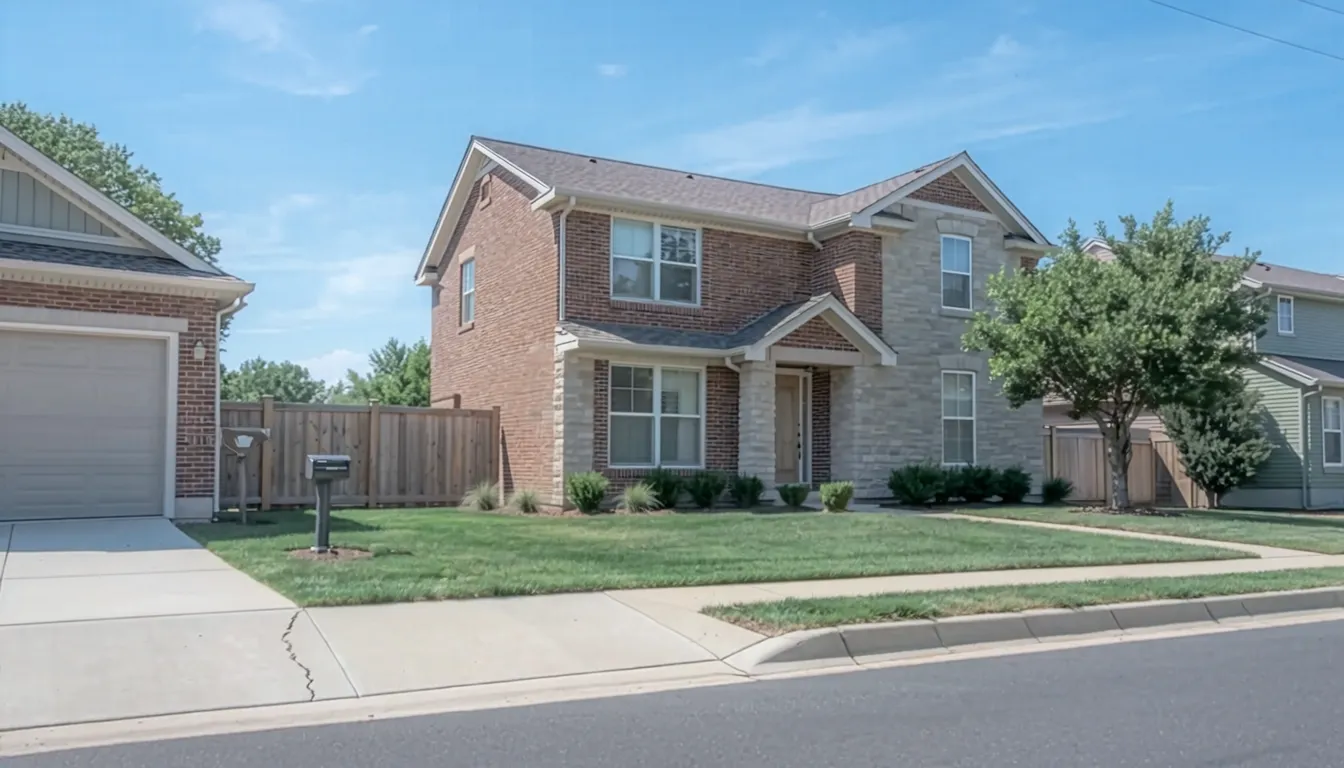
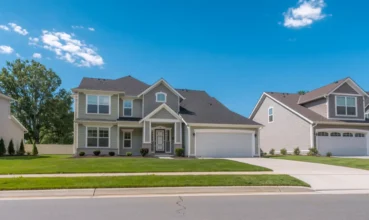
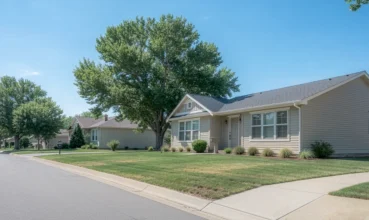
A resale home in Royse City, Texas, has been sitting on the market for over ten months. A nearby resale property closer to downtown Dallas went under contract in 16 days. Both are in the same metro area, served by the same agent. The difference is not location alone – it is what new-construction builders in the outer suburbs can offer that existing homeowners cannot match, and how that gap is forcing sellers and investors across the region to recalibrate.
Dilene Allen of the Diilene Realty Group, powered by eXp Realty, works across Dallas County and Kaufman County, covering a stretch of the DFW metro that includes Mesquite, Forney, and Royse City. Her client base leans heavily toward investors, along with empty nesters repositioning their equity into newer homes. What she sees on the ground illustrates how unevenly the current market is functioning, even within a single metro area.
Sixteen Days vs. Ten Months
The performance gap between neighborhoods is sharp enough to look like two different markets. Allen recently went under contract on a resale property in Trinity Grove – closer to downtown Dallas – in 16 days. Meanwhile, a listing in Royse City, farther east, has been sitting for over ten months.
The difference comes down to competition from builders. In communities where new construction is actively underway, resale sellers face a structural disadvantage. New builds come with warranties, builder incentives, and move-in-ready condition – things a resale home can’t always replicate. “If it’s a residential resale, the competition is the new construction,” Allen says. “The clients that are moving to Royse City, they’re moving for the new construction incentives.”
Homes closer to Dallas remain more marketable, according to Allen, as long as they are priced correctly. But in communities farther out, builders are setting the terms that resale sellers must compete against.
No Wiggle Room for Resale
For resale sellers trying to compete, the margin for error has narrowed considerably. Sellers must consider concessions and price accurately from the start. Allen is blunt: “There’s no wiggle room, zero wiggle room for resale right now.”
The Trinity Grove closing illustrates the point. The seller had roughly 35 days to sell before a job relocation to another state. A competing agent proposed a higher list price, but the seller – who had done his own research on neighborhood comparables – chose Allen’s lower, more aggressive pricing strategy. The home went under contract within 16 days, and the seller walked away with meaningful equity after owning for about three and a half years.
The contrast is instructive. Sellers who overprice in this environment watch their listings sit, while those who price to the current comparable sales data can still close quickly. The seller’s own number-crunching confirmed Allen’s pricing recommendation, which gave him enough confidence to reject the higher figure from the other agent.
Investors Are Waiting, Not Walking Away
The investor side of the market is equally cautious. Allen says her investor clients are doing more analysis and moving more slowly than in recent years. Interest rates have tightened the math on every deal.
“Every dollar counts, especially with the interest rates being where they are right now,” Allen says. “The numbers are super tight, and they’re looking at their ROI at the end of the day. And if it doesn’t make sense, the investors will not move on it.”
Buy-and-hold investors remain active, drawn by steady rental demand. Allen notes that some homeowners are selling, cashing out their equity, and renting – creating a reliable tenant pool for investors who acquire and lease properties. That dynamic has been significant enough that some HOAs in the area are revisiting their bylaws to cap the ratio of investor-owned properties to owner-occupied ones.
Still, the pace has slowed. Allen says the margin for error that existed during the pandemic-era market no longer applies. Investors are not exiting, but they are being far more selective about which deals they pursue.
Where the Opportunity Is Shifting
For investors weighing specific submarkets, Allen draws a clear line. Mesquite, which is more built out, offers better opportunities for flipping existing homes rather than acquiring land. Forney and the neighboring community of Fate, by contrast, still have land and development potential.
“I do believe that Fate is going to be the next Forney,” Allen says. “It’s right next door to Forney, right between Forney and Royse City.”
The broader buyer profile across DFW’s suburbs has also changed. Allen says relocations from states like California and Florida are feeding demand for master-planned communities that offer more than just housing. Buyers are choosing neighborhoods based on amenities, proximity to entertainment, and community aesthetics rather than square footage alone. “They’re not just looking for a house, they’re looking for a lifestyle,” she says.
Allen points to communities like Salterra in Mesquite as an example – developments that often include amenities such as lakes, communal gathering spaces, and recreational facilities. Buyers moving from out of state, she says, are drawn to neighborhoods that balance distance from downtown Dallas with easy access to professional sports, entertainment, and dining.
A Market Waiting for a Catalyst
For resale sellers in the outer DFW suburbs, the immediate reality is competitive pricing and concessions. Builders can offer warranties, incentives, and new finishes that a ten-year-old home cannot. Sellers who acknowledge that disadvantage and price accordingly – as the Trinity Grove seller did – can still transact within weeks. Those who price based on what they hope to get, rather than what current comparables support, risk joining the listings that sit for months.
For investors, the math has tightened, but the opportunities have not disappeared. They have moved – away from land acquisition in built-out areas and toward emerging communities, where development potential still exists, and competition from established neighborhoods is lower. The discipline Allen describes among her investor clients – refusing to move unless the numbers work – suggests that when conditions improve, capital is positioned to act quickly.
About the Expert: Dilene Allen is with the Dilene Realty Group, powered by eXp Realty, covering Dallas County and Kaufman County, Texas, including Mesquite, Forney, and Royse City.
This article is based on information provided by the expert source cited above. It is intended for general informational purposes only and does not constitute legal, financial, or real estate advice. Readers should conduct their own research and consult qualified professionals before making any real estate or financial decisions.