Most sellers’ markets reward simply being a seller. In Sun Prairie, Wisconsin, that alone is not enough. Despite persistently low inventory and strong demand across the eastern side of Dane County, properties that are not priced correctly, staged well, and marketed thoroughly are sitting – even in conditions that otherwise favor sellers, according to Jennifer Stauter, team leader at HomeTeam4u with Stark Company Realtors. The distinction matters for both local homeowners and out-of-area investors watching a metro area that continues to attract new residents.
Stauter runs a 50-agent operation on pace for roughly 600 transactions this year. Her team covers Sun Prairie and a broad swath of south-central Wisconsin, and the picture she describes is a market where demand remains strong but buyers have become more selective about what they will compete for.
A Seller’s Market With Conditions Attached
Sun Prairie sits just outside Madison, the state capital, anchored by government employment, universities, and a concentration of insurance companies. That employment base creates consistent housing demand from people moving into the area – a dynamic Stauter attributes in part to lifestyle migration, with many buyers relocating from other states specifically choosing Wisconsin.
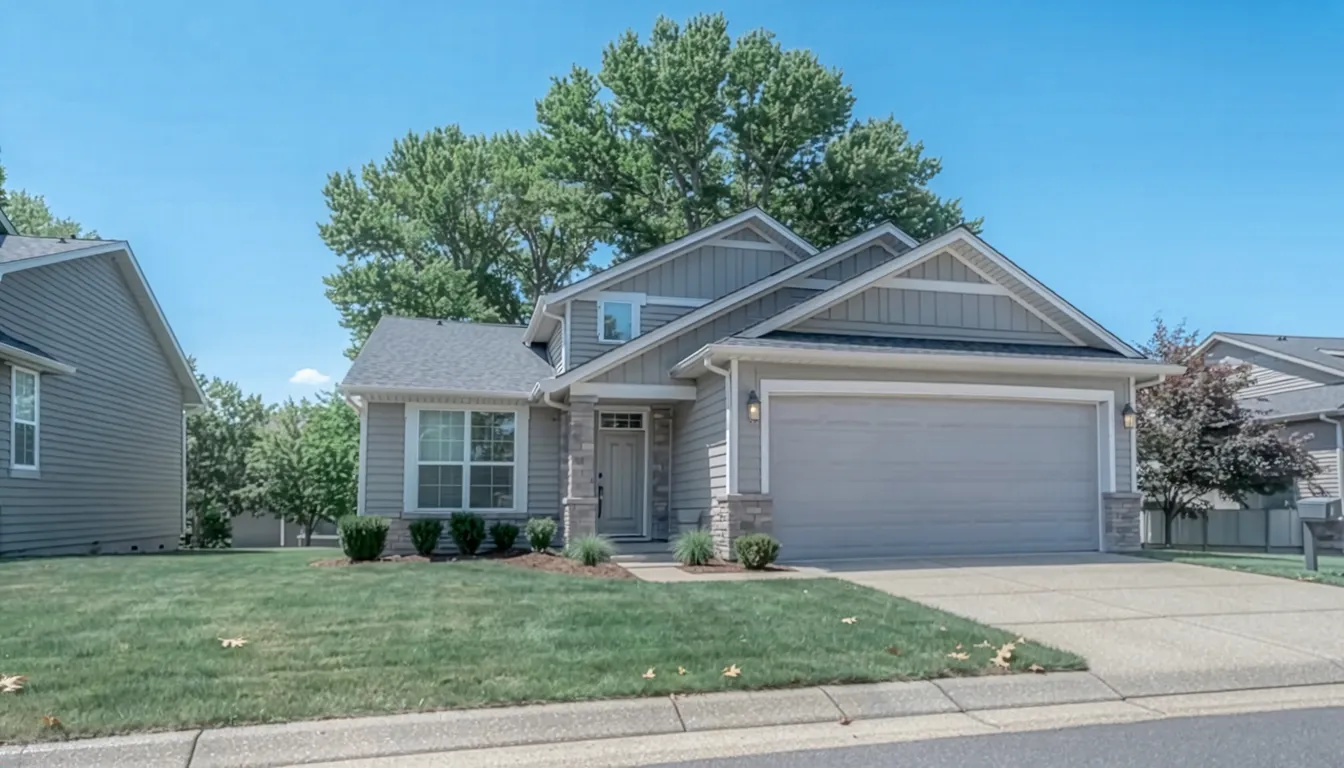
Absorption rates still favor sellers, but buyer expectations have sharpened. Listings need to hit three marks to move quickly: accurate pricing, professional staging, and strong marketing. Properties that miss any of the three tend to linger, even in a low-inventory environment. Stauter says the gap between how people live in a home and how a home should be presented for sale is larger than most sellers expect. Clearing personal items off counters, arranging furniture to show how spaces function, and professionally photographing the result all help buyers picture themselves in the property. “You wouldn’t think that makes that big of a difference, but it really does for people to just be able to see themselves in the space,” she says.
Below $350,000, Competition Intensifies
Price stratification is visible across the market. Below $350,000, buyers face the most competition and are likely to encounter multiple-offer situations, according to Stauter. As prices climb above that threshold, competition thins and buyers gain more room to negotiate.
That line carries practical implications. For buyers, the entry-level and mid-range segments require speed and decisiveness – hesitation in a multiple-offer situation often means losing the property. For sellers in that band, preparation is less optional than it might appear. Even favorable conditions do not guarantee a quick sale if the listing does not present well.
New Construction Cannot Keep Up
Sun Prairie has active builders, including developments in neighborhoods like Smith Crossing and The Reserve. But new construction has not matched the pace of demand.
Buyers weighing new builds against resale generally get more space and value per dollar from existing homes. New construction carries a premium for customization, the ability to choose finishes and layouts, but the tradeoff is cost. “You do tend to pay a little bit more to get exactly what you want,” Stauter notes.
The competitive tension between resale and new construction is most acute in newer neighborhoods where builders are still active. In those pockets, existing homeowners need to be especially attentive to pricing and presentation because a buyer can walk down the street and order a home built to their specifications. In older, established neighborhoods, the dynamic is less direct.
Condos Serve Both First-Time Buyers and Downsizers
While single-family inventory remains tight, condos are filling a dual role in Sun Prairie. According to Stauter, they serve as an entry-level option for first-time buyers while also offering a low-maintenance choice for downsizers looking to shed upkeep responsibilities.
Investor Opportunity Exists, but Smaller
Investors remain active in Sun Prairie, though the deals available have compressed. The most accessible opportunity, according to Stauter, sits in the four-unit-and-under category. Larger multifamily buildings are not readily available on the open market. Cash-offer options exist, but most sellers are not interested because they can get more through a traditional sale. “Some people really just want that convenience,” Stauter says, describing the subset of sellers willing to trade price for speed.
For investors arriving from higher-cost markets, one common mistake is assuming that Wisconsin pricing invites aggressive offers. “If you’re coming from California, our prices are going to seem low,” Stauter says. But low relative to another state does not mean below market. “Most people are getting asking or above. Lowballing isn’t the thing that’s going to work.”
What Is Ahead
Stauter sees inventory levels as the single most important variable for the market’s direction. If supply continues to build, the balance of power between buyers and sellers will shift – though she does not expect a full reversal. “I don’t see it fully going that way, but I suspect the market will normalize out so that we are more of a balanced market,” she says.
For sellers planning to list in the coming months, that trajectory reinforces the case for treating preparation seriously now. A market moving toward balance is one where the gap between a well-prepared listing and a poorly prepared one widens – the sellers who price, stage, and market correctly will still attract multiple offers, while those who do not will feel the softening first.
About the Expert: Jennifer Stauter is team leader at HomeTeam4u with Stark Company Realtors, covering Sun Prairie and the surrounding south-central Wisconsin area.
This article is based on information provided by the expert source cited above. It is intended for general informational purposes only and does not constitute legal, financial, or real estate advice. Readers should conduct their own research and consult qualified professionals before making any real estate or financial decisions.