After years of sustained price growth in New York City, conditions in Queens are softening measurably. Price reductions are occurring more frequently, properties requiring renovation are staying on the market longer, and buyers are more selective than they were during the pandemic era. The result is a market where proper qualification, realistic pricing, and thorough due diligence matter more than they have in years.
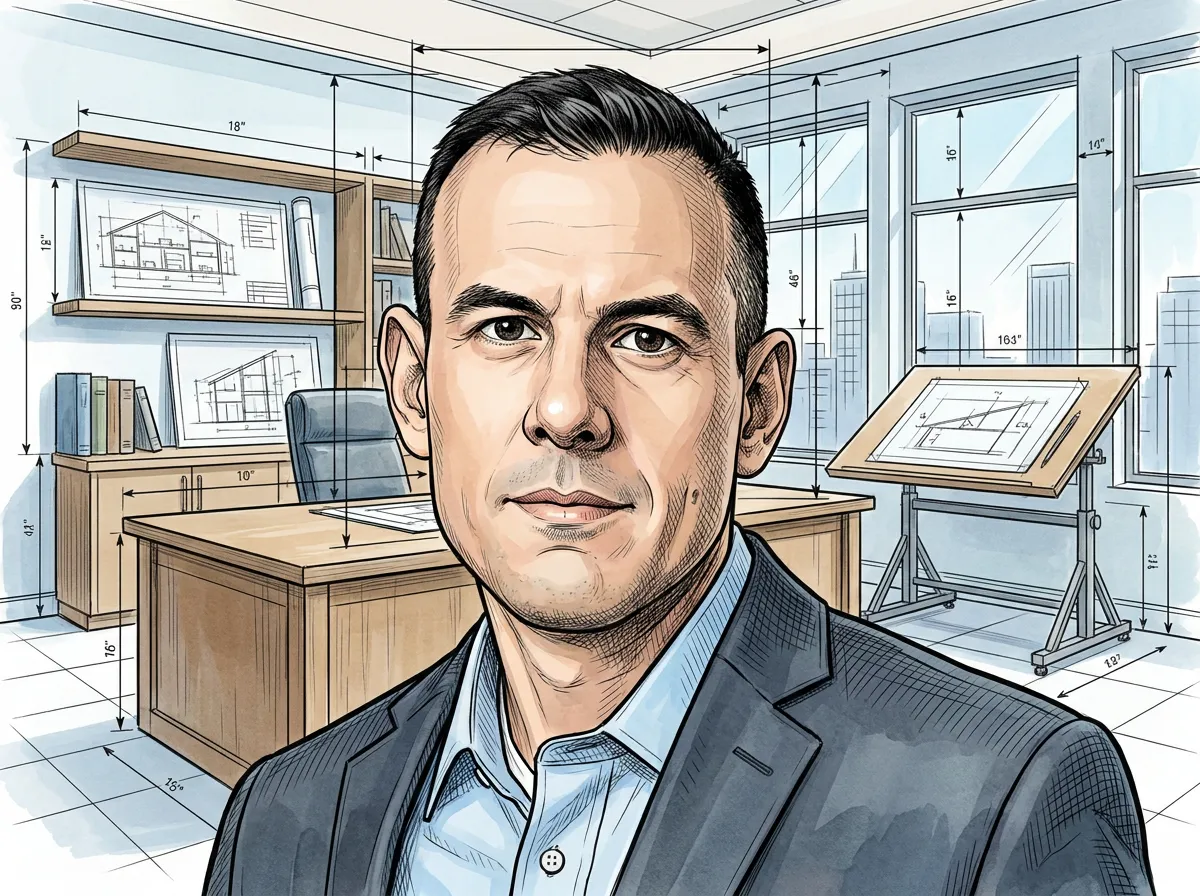
David Altuzarra, Licensed Associate Broker at Weichert New Homes, works primarily across Queens and brings an unusually broad technical foundation to his practice. Before entering brokerage, he spent time in mortgage origination and investment sales, moving through short sales, fix-and-flips, and wholesaling. That background in reading title reports, clearing violations, and managing transaction financing shapes how he approaches deals today. “I can see a title report and know exactly what needs to be cleared,” he notes.
That kind of transactional fluency is increasingly relevant as market conditions grow more complex.
Market Still Moving
A common misconception about the New York City market is that activity has stopped. Altuzarra disagrees. Deals are still closing, but terms are changing. Price reductions, rare just months ago, are now routine. “You’re starting to see prices pull back, values pull back. You’re seeing a lot of price drops where two, three months ago you didn’t see any,” he says.
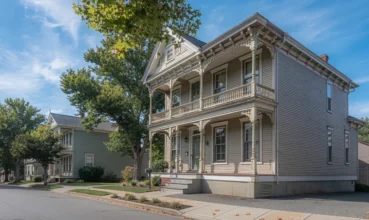
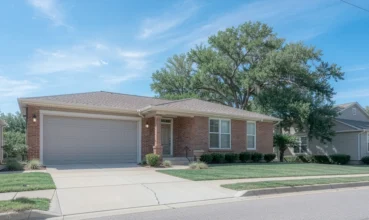
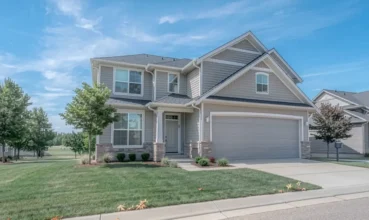
Entry-level pricing in the borough reflects the broader affordability challenge. Single-family homes in any New York City borough rarely come in under $500,000, with more desirable inventory typically starting around $650,000 and running well past $900,000 for move-in ready product. That price floor eliminates a significant portion of first-time buyers, even when financing is available.
Turnkey Homes Win
Altuzarra’s client base centers on two primary groups: first-time buyers and downsizers whose families have left the nest. Both segments share the same preference: they want move-in ready homes. “Most people don’t want a project,” he explains. “They want new kitchens, new bathrooms. The ones that need work end up sitting a little longer, not selling at prices sellers are looking for.”
This preference for turnkey product reflects how buyers, particularly younger ones, approach homeownership now. Appetite for renovation projects has declined. Properties requiring significant work are increasingly being discounted.
Common Deal Killers
Even when buyers and sellers agree on price, several friction points can derail transactions in Queens. Co-op board approvals remain a persistent variable. Mortgage pre-approval does not guarantee co-op qualification, and debt-to-income ratios and reserve requirements can differ significantly between lenders and boards. “It’s the agent’s responsibility to make sure that buyers are qualified,” Altuzarra says. “Just because you have an approval with a mortgage doesn’t mean you can be qualified with a co-op board.”
Home inspection findings such as mold, termites, and deferred maintenance can kill deals when sellers refuse to negotiate credits. Altuzarra recently lost a transaction when a seller declined to address an inspection issue.
Assessments in co-op and condo buildings are another deal-complicating factor that buyers sometimes underestimate. These charges fund building improvements such as roof replacements, elevator upgrades, or exterior work. They can add several hundred dollars per month to carrying costs for years. When buyers are already stretching to qualify, an unexpected assessment can end negotiations.
Rising maintenance costs present a related challenge. Insurance premiums have risen nationally, and those increases are reflected in co-op and condo maintenance fees. “People think the maintenance shouldn’t go up that much, but it can — insurance is going up quite a bit across the nation,” Altuzarra says.
A Divided Borough
The borough is not moving in one direction. Some areas are holding value while others soften or attract new development. Any single characterization of the Queens, New York market is misleading.
Altuzarra points to Forest Hills Gardens and the Douglaston-Little Neck corridor as consistently outperforming the broader borough. Demand in these areas holds even as prices decline elsewhere. On the other end of the spectrum, neighborhoods like Elmhurst and parts of Woodside along Queens Boulevard are seeing increased condo construction, drawing buyers who might otherwise look outside the borough.
Conditions in Ridgewood differ from those in Flushing, which differ again from conditions in Jamaica or Howard Beach. Buyers and sellers without hyper-local knowledge are at a disadvantage.
Investing in Queens
Investors looking to enter the Queens, New York market should weigh several factors carefully. Tenant protection laws in New York City are among the most restrictive in the country. Acquiring occupied properties with problem tenants requires either significant experience or a long-term outlook. “You have to be experienced or be able to do the long game on that,” Altuzarra says. Most investors, in his experience, prefer vacant properties where the numbers are cleaner.
Queens offers more opportunity than Manhattan or Brooklyn for budget-conscious investors, though deal quality varies considerably by submarket and asset type.
Watching the Macro
Several external factors could shape the Queens, New York market through the rest of 2026. Altuzarra is tracking the New York gubernatorial race for its housing policy implications. He is also watching geopolitical instability, specifically regional tensions involving Iran, and its effects on energy prices and interest rates. “I think they are affecting the market,” he says.
The broader picture is one of recalibration, not crisis. Sellers who expected 2021-era conditions are being forced to adjust. Buyers are more selective and more cautious about what they take on. The fundamentals of sound transactions, including proper qualification, thorough due diligence, and honest pricing conversations, are reasserting themselves after a period when strong demand masked process gaps.
For buyers considering a move in this environment, Altuzarra’s advice is direct: understand what homeownership actually requires beyond the purchase price. Taxes rise, roofs need replacing, and maintenance costs climb. “It’s not just buying a piece of property and that’s it,” he says. “As long as people understand that, they’ll be better prepared for what comes next.”
About the Expert: David Altuzarra is a Licensed Associate Broker at Weichert New Homes, focused on residential real estate across Queens, New York. His background spans mortgage origination, investment sales, short sales, fix-and-flips, and wholesaling prior to entering brokerage.
This article is based on information provided by the expert source cited above. It is intended for general informational purposes only and does not constitute legal, financial, or real estate advice. Readers should conduct their own research and consult qualified professionals before making any real estate or financial decisions.