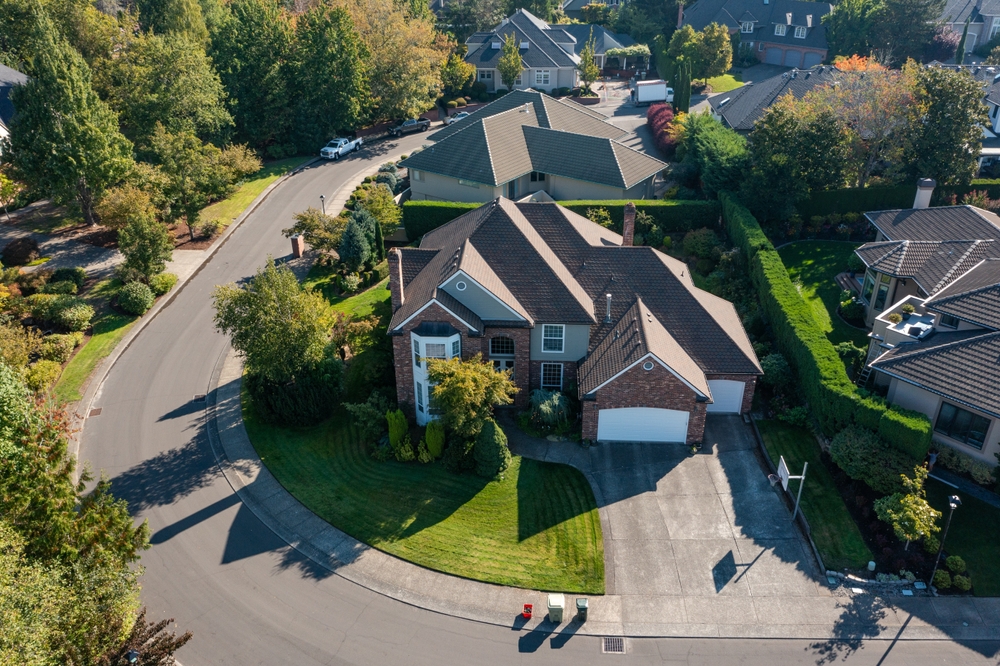
Walk through an open house in Northeast Portland on a Sunday afternoon, and you might see something that’s been rare for a while: a handful of serious buyers, genuine competition, maybe a few offers by Monday morning. Drive out to the suburbs, and the picture is different. Homes are sitting. Sellers are cutting prices. Days on market are climbing.
Understanding which side of that split you’re on could save – or cost – tens of thousands of dollars. In Oregon’s Portland metro, established east-side neighborhoods are drawing renewed buyer energy while the west side and outer suburbs face mounting pressure from new construction that’s actively pulling buyers away from resale homes. Add a condo segment grappling with financing and insurance problems, and what looks like one market is actually several – with very different rules depending on where you’re standing.
Carey Hughes, a principal broker with Keller Williams Realty Professionals and 26 years of experience in the Portland market, points to Northeast, Southeast, and North Portland as the neighborhoods where that buyer energy is most concentrated – and where sellers are once again fielding multiple offers.
What’s Moving
On Portland’s east side, homes in established neighborhoods are again drawing multiple offers. Not the wild bidding wars of 2021, when buyers routinely paid $50,000 to $100,000 over asking, but genuine competition among committed buyers. The median sale price citywide has climbed to roughly $524,000, up nearly 5 percent year over year, with homes selling in under three weeks on average. But that average masks a sharper divide: well-priced east-side homes in move-in condition are going faster, while suburban properties are dragging up the average time on market. These are neighborhoods with character – older homes, bigger lots, walkable streets – and buyers are responding.
The west side and outer suburbs tell a different story. Larger, newer homes in the $600,000 to low seven-figures range are sitting longer, especially if they’re priced even slightly above what the market will bear. Buyers in those ranges aren’t being rushed. They’re running detailed monthly cost calculations – mortgage, taxes, insurance, HOA – and in Oregon, where property taxes add a meaningful line to that math, the numbers have to work before anyone moves.
The Condo Problem Is Real
If there’s one segment of the Portland market that’s genuinely struggling, it’s the condo market. Historically, condos were the entry point for first-time buyers and downsizers looking for something affordable and manageable. That’s no longer reliably true.
Many condo buildings across Portland are dealing with deferred maintenance, large special assessments, and shaky long-term finances. Those issues are creating serious problems for buyers trying to secure financing and even bigger problems for those trying to get insurance. “We’re really struggling with condos,” Hughes says. “We’re struggling with getting financing approval, getting proper insurance on some of them.”
Demand has also softened broadly – fewer people want to buy condos right now, whether downtown or in the suburbs – and prices in this segment have dropped noticeably. For buyers with cash who can navigate the due diligence, there may be value here. For most, it’s a complicated road.
New Construction Is Beating Resale
One of the biggest forces reshaping Portland’s supply picture isn’t resale inventory – it’s new construction. The Portland metro operates within an urban growth boundary, a defined perimeter that limits where development can occur. Recent expansions of that boundary have enabled large-scale projects on the west side, adding hundreds of new homes, townhomes, and condos to the market.
That new supply is competing directly with existing homes, and builders are offering aggressive incentives. Rate buydowns, closing-cost credits, and design upgrades are drawing buyers away from resale properties. “It splits our buyer pool in half,” Hughes says. Some buyers want brand new with all the perks. Others want an established neighborhood with a real yard and some history. But existing home sellers need to understand they’re no longer just competing with the house down the street.
What’s Selling
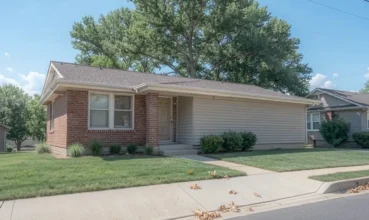
Homes that are moving quickly share a few things in common: they’re priced accurately for their neighborhood and condition, they show well, and they offer something buyers can’t easily find in new construction – space, a real yard, proximity to jobs and amenities. Older ranch homes in established neighborhoods closer to the city are drawing particular interest from buyers who’ve been priced out of new construction or want more land.
What’s sitting: anything overpriced, condos with financial or insurance complications, and suburban homes that don’t offer a clear value advantage over nearby new construction.
What Buyers and Sellers Should Know
For buyers: Don’t skip due diligence on condos – review the HOA financials carefully and confirm financing is available before committing. For single-family homes on the east side, be ready to move quickly. In the suburbs, you have more time and negotiating room.
For sellers: Condition and price are your two levers. Homes that are clean, updated, and priced to match buyer expectations are selling in one to two weeks. Homes that aren’t are sitting – and the longer they sit, the more concessions buyers will request. Expect requests for help with closing costs and seller-paid buyer agent commissions. Plan for it now.
For small investors: Hughes points to older neighborhoods with larger lots and good access to freeways and amenities as the strongest opportunity. These areas offer what new construction can’t – space, character, and established community – at prices that still pencil out.
Looking Ahead
The forces reshaping Portland’s market aren’t going away soon. Interest rates are expected to hold in the mid-to-upper 6 percent range for the foreseeable future, high enough to keep cost-conscious buyers cautious, particularly in the suburbs where monthly payments on larger homes are already straining budgets. Prices in the city proper are forecast to remain essentially flat, while new construction activity will likely slow as builders work through existing supply. However, sellers in the suburbs shouldn’t mistake a quieter construction pipeline for relief.
One signal worth watching: buyer traffic has been rising year over year, even during traditionally slow winter months – suggesting that demand is present, if rate-sensitive. If borrowing costs ease even modestly, east-side neighborhoods could see competition accelerate faster than sellers expect. The window to buy without a bidding war may be narrower than it looks.
About the Expert: Carey Hughes is a principal broker with Keller Williams Realty Professionals in Portland, Oregon, with 26 years of experience in the local market.
This article is based on information provided by the expert source cited above. It is intended for general informational purposes only and does not constitute legal, financial, or real estate advice. Readers should conduct their own research and consult qualified professionals before making any real estate or financial decisions.