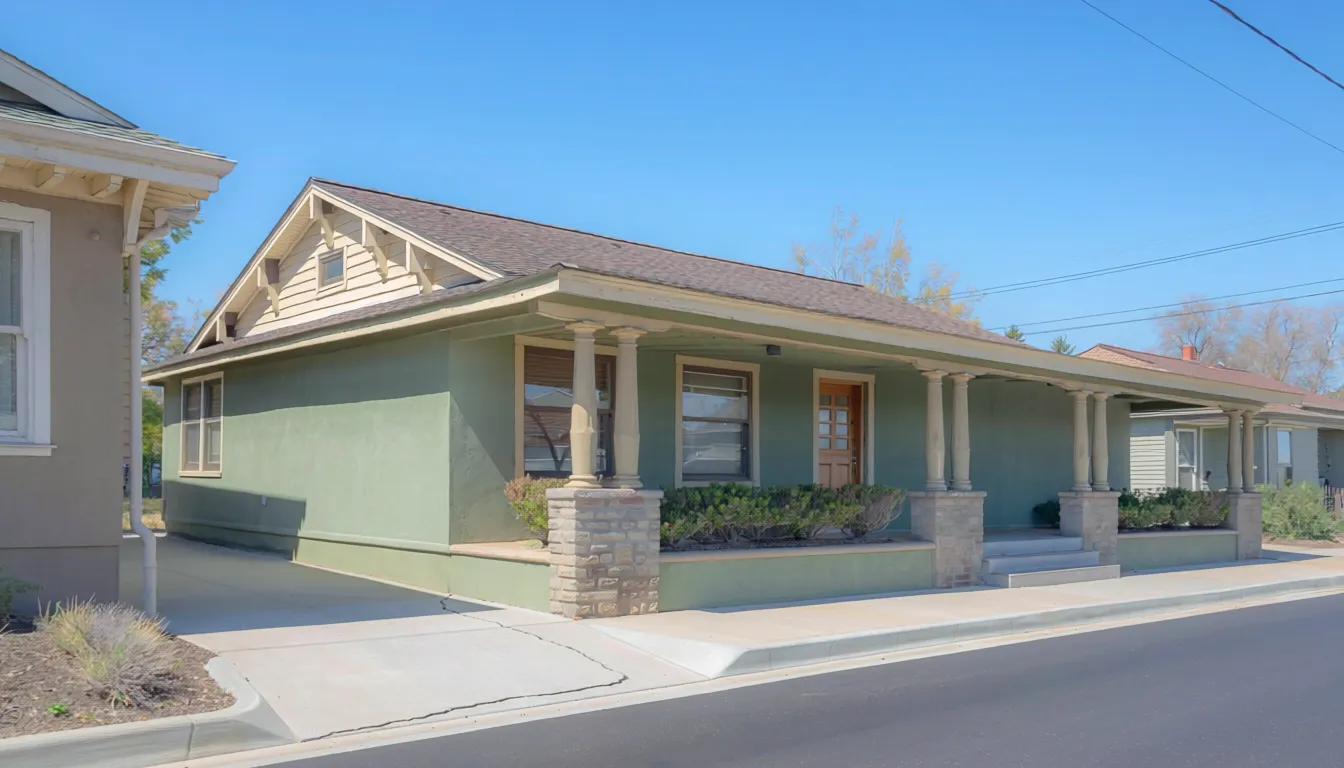
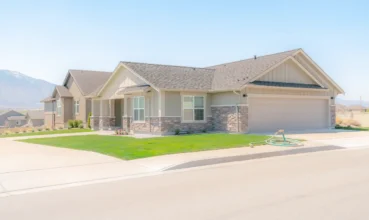
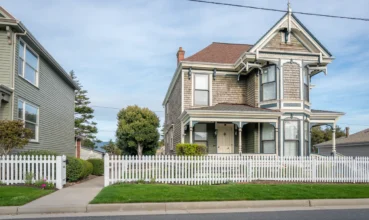
The gap between turnkey and deferred-maintenance properties in Southern California’s coastal markets has always existed, but in Long Beach it is becoming the defining factor in how quickly a home sells, or whether it sells at all. With mortgage rates elevated and affordability compressed, buyers are concentrating their bids on homes that need no work, according to Steve Nader, who leads Beach Team Real Estate and focuses on residential sales across Long Beach’s coastal neighborhoods. Properties showing age or neglect sit noticeably longer.
That split is reshaping how listing agents prepare homes for market and how investors evaluate opportunities in a city where housing stock routinely dates to the 1920s and 1930s.
“The cost to purchase the home is so high right now, and the affordability is so low that a lot of buyers are choosing to buy something that’s a lot more turnkey,” Nader says. Buyers are not just passing over deferred-maintenance homes in favor of better options; they are refusing to engage with them at all.
A Discount Market Drawing Regional Relocators
Long Beach has long traded at a discount to its neighbors. Nader estimates the city runs at roughly 60 cents on the dollar compared to communities 10 miles north, while markets five to 10 miles south price similarly. That spread, paired with a beach lifestyle and a growing food and cultural scene, has been pulling buyers from Los Angeles, Pasadena, and as far as the Bay Area.
The 2028 Olympics, with multiple events hosted in Long Beach, and the presence of Cal State Long Beach add to the draw. But the purchasing pattern these relocators follow is notably lifestyle-first. Buyers pick their neighborhood based on how they want to live, suburban family streets in one pocket, walkable restaurant districts in Belmont Shore, low-maintenance downtown condos for frequent travelers, and then look for inventory within that zone.
Nader describes Belmont Shore as a place where a buyer can park a car on a Friday and not move it until Monday, walking to restaurants, shops, and the beach in between. Other neighborhoods serve entirely different routines: quiet blocks with school access and neighbors who hold block parties, or downtown high-rises for professionals who travel frequently and want to lock up and leave.
Condition and Location Are Sorting the Market
In Belmont Heights, Belmont Shore, and Naples, the variation is extreme. One house can sit for months while the listing next door goes under contract immediately. Nader attributes this to two factors working in concert: condition and precise location.
With homes commonly 90 to 100 years old, layout and upkeep carry disproportionate weight. A well-maintained home on a desirable mid-block position sells fast. A comparable home with compromised location or visible deferred maintenance lingers unless the price reflects the gap. “It is in a lot of cases street by street, house by house,” Nader says.
His team’s response has been to help sellers fund improvements before listing so the property meets current buyer expectations. Most buyers entering the Long Beach market are making long-term decisions, not short-term trades, which makes them more selective about what they will commit to at today’s borrowing costs.
Fear Is Killing More Deals Than Price Disagreements
Deal cancellations in the Long Beach market have increased, and Nader says the cause is not what most agents expect. Buyers are not walking away over inspection findings, repair disputes, or price. They are walking away out of anxiety, driven by media coverage of economic uncertainty, AI-related job displacement fears, and recession predictions.
“A lot of the time, the buyers that are walking away are walking away without even giving the seller the opportunity to agree on a number,” he says. “They’re literally just walking away because they’re afraid.”
This creates an unusual dynamic: a market with real demand and genuine buyer interest that loses transactions to sentiment rather than fundamentals. Nader’s team has responded with extensive upfront consultations designed to give buyers enough information to make confident decisions before the pressure moments arrive. The goal, he says, is to reduce uncertainty in the decision-making process so that when it comes time to act, buyers feel confident rather than exposed.
Why Price Per Square Foot Misleads Investors Here
For investors evaluating Long Beach, Nader offers a pointed warning against relying on price per square foot. Because Long Beach is not a tract-housing market, every property varies in lot size, interior layout, and space allocation. A blended metric that works in homogeneous subdivisions produces misleading signals in a city where neighboring homes can differ substantially.
“Price per square foot in the Long Beach marketplace specifically does not give an investor a real assessment of value because every product is different,” he says. The right approach depends entirely on the investor’s timeline; a quick flip requires a completely different strategy than a long-term hold aimed at appreciation.
What the 10-Year Treasury Means
As of September 2026, the 10-year Treasury yield has crossed 5% for the first time since 2007, pushing mortgage rates higher and compressing affordability further. Nader notes that many buyers mistakenly watch the Federal Reserve’s rate decisions when mortgage pricing actually tracks the 10-year yield. “It is a misconception that buyers have; they think it’s the Federal Reserve that’s dictating that rate. It’s not.”
Job market stability is the other macro variable Nader watches closely. Strong employment encourages larger long-term purchases; instability suppresses buyer demand. But even with both headwinds present, he sees the coastal premium as durable. Long Beach’s desirability as a beach community has historically insulated it from the sharpest downturns. “Even in downturns, Long Beach tends to hold its value pretty well,” Nader says.
For buyers willing to stay engaged through the uncertainty, Nader sees real opportunity. Sellers are more willing to negotiate than they were three years ago, and the gap between buyer and seller expectations – while still present – is narrowing. The buyers most likely to benefit are those who remain consistently active in the market rather than stepping away when sentiment turns negative.
About the Expert: Steve Nader leads Beach Team Real Estate, focusing on residential sales across Long Beach, California’s coastal neighborhoods.
This article is based on information provided by the expert source cited above. It is intended for general informational purposes only and does not constitute legal, financial, or real estate advice. Readers should conduct their own research and consult qualified professionals before making any real estate or financial decisions.