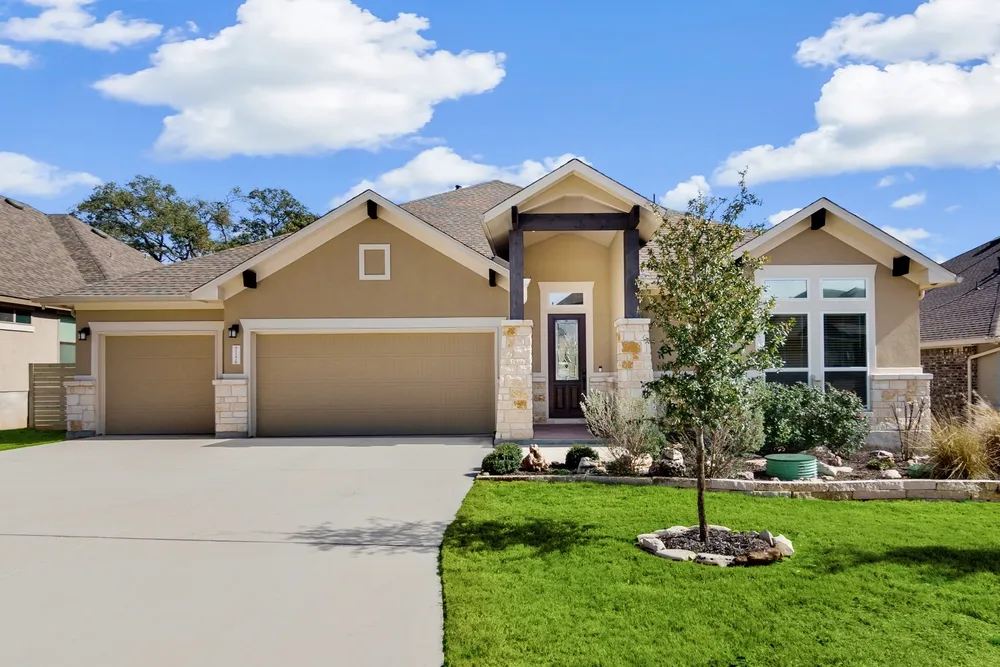
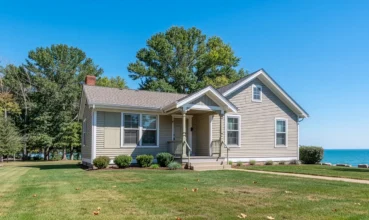
Builders in the Houston suburbs of Katy and Cypress are offering incentive packages large enough to make new construction cheaper than comparable resale homes, a reversal that is forcing existing homeowners into concessions and leaving resale inventory sitting longer than it has in years.
The compression between new and resale pricing has created a market where sellers must compete not just against each other but against builders willing to buy down rates, cover design upgrades, and absorb costs that used to fall on buyers. For buyers navigating new construction without representation, the complexity of these packages means money left on the table.
Builder Incentives Are Eliminating the Price Gap
In Bridgeland, a master-planned community in the Cypress area, builder incentive packages currently include up to $80,000 in flex spending from one builder and $40,000 in design credits from another, according to Rickey Chavez, Team Lead of The Rickey Chavez Team at Better Homes and Gardens Real Estate Gary Greene. Builders are also buying down interest rates in blocks, offering buyers rates as low as 4.875% and 4.99%, compared to market rates running a little over 6.5%.
On a $500,000 home, that rate difference changes monthly payments by hundreds of dollars. Chavez says the math now favors new construction in direct comparisons: a $600,000 resale competes against a $625,000 new home that, with incentives applied, costs the buyer less. “Why buy a resale home when they can buy new construction with the incentives, and it comes out less?” he says.
That compression is forcing resale sellers into concessions they would not have considered two years ago, particularly on closing costs and repairs. Inventory across Katy, Cypress, Tomball, and Hockley is higher than it has been in a long time, according to Chavez, while buyer demand has softened under the weight of prevailing interest rates.
Resale Sellers Who Bought During COVID Face the Steepest Losses
Among the sellers struggling most are those who purchased new construction during the pandemic at elevated prices. Chavez says some are now upside down, unable to sell for what they paid. Others still anchor to peak-era valuations, making pricing conversations difficult. “We’re having some challenges with them being upside down, where they’re unable to get the price that they were hoping for,” he says.
Homes priced correctly still move at a normal pace, Chavez notes. The problem is concentrated among sellers who resist adjusting to current comparables, particularly when new construction with aggressive incentives sits a few miles away offering a fresher product at a similar or lower effective cost.
Forbearance Payments Are Adding Pressure
A separate financial pressure is building beneath the surface. Homeowners who entered forbearance during COVID are now contending with significantly higher monthly payments as deferred amounts are folded back in. Chavez describes one individual whose payment rose from roughly $2,200 to about $4,600. “That’s kind of scary,” he says, noting this dynamic came up in multiple industry webinars he has attended recently.
For homeowners already stretched, that increase narrows their options: they either absorb the higher payment, attempt to sell into a market where resale homes face stiff competition from builders, or risk falling behind again.
Affordability Exists on Paper but Not Always in Practice
The Katy-Cypress corridor remains affordable relative to many metros, and the area continues to attract relocation buyers, driven by employers like FedEx and Amazon as well as Houston’s energy sector. Chavez’s team speaks seven languages and works heavily with international relocations through Better Homes and Gardens’ relocation program. The Cy-Fair and Katy school districts, along with newer schools in Waller and Tomball, draw families seeking smaller class sizes and strong special education programs.
But qualification amounts do not always align with what buyers can comfortably afford. Chavez describes working with a first-time buyer qualified for $350,000 whose comfortable monthly payment did not actually support that purchase price. “We don’t want him to be house poor,” he says. “We’re not concerned about a transaction. We’re concerned about facilitating success for the buyer so that they can still do other things.”
That distinction matters in a market where builder incentives make higher price points look accessible. A rate buydown that drops a monthly payment into range can still leave a buyer stretched if taxes, insurance, and maintenance push total housing costs beyond what they budgeted.
New Construction Buyers Need More Help
About half of Chavez’s business is new construction, and he sees a recurring gap: buyers who go directly to builders without representation miss opportunities they don’t know to ask about, washer-dryer packages, refrigerators, blinds, sprinkler systems, lease-exit assistance.
More critically, many skip independent inspections. “Homes are made by man. Man has good days and bad days,” Chavez says. He recommends three inspections during the build process: foundation, pre-drywall, and final. Buyers who skip them often surface problems after closing that could have been caught and corrected during construction.
Chavez notes that most builders already have agent compensation built into their pricing model. “So why wouldn’t you have somebody represent you if you don’t have to pay for it?” he says. Buyers who assume they are simplifying the process by going unrepresented are instead navigating incentive structures, inspection timelines, and contract terms without someone whose job is to identify what the builder has not volunteered.
In a market where builder incentives are large enough to change which home type makes financial sense, the buyers most at risk are those who treat new construction as simpler than resale, when the opposite is closer to the truth.
About the Expert: Rickey Chavez is Team Lead of The Rickey Chavez Team at Better Homes and Gardens Real Estate Gary Greene, covering the Katy, Cypress, Tomball, and Hockley areas of Houston. His team speaks seven languages and works extensively with international relocations through the firm’s relocation program.
This article is based on information provided by the expert source cited above. It is intended for general informational purposes only and does not constitute legal, financial, or real estate advice. Readers should conduct their own research and consult qualified professionals before making any real estate or financial decisions.