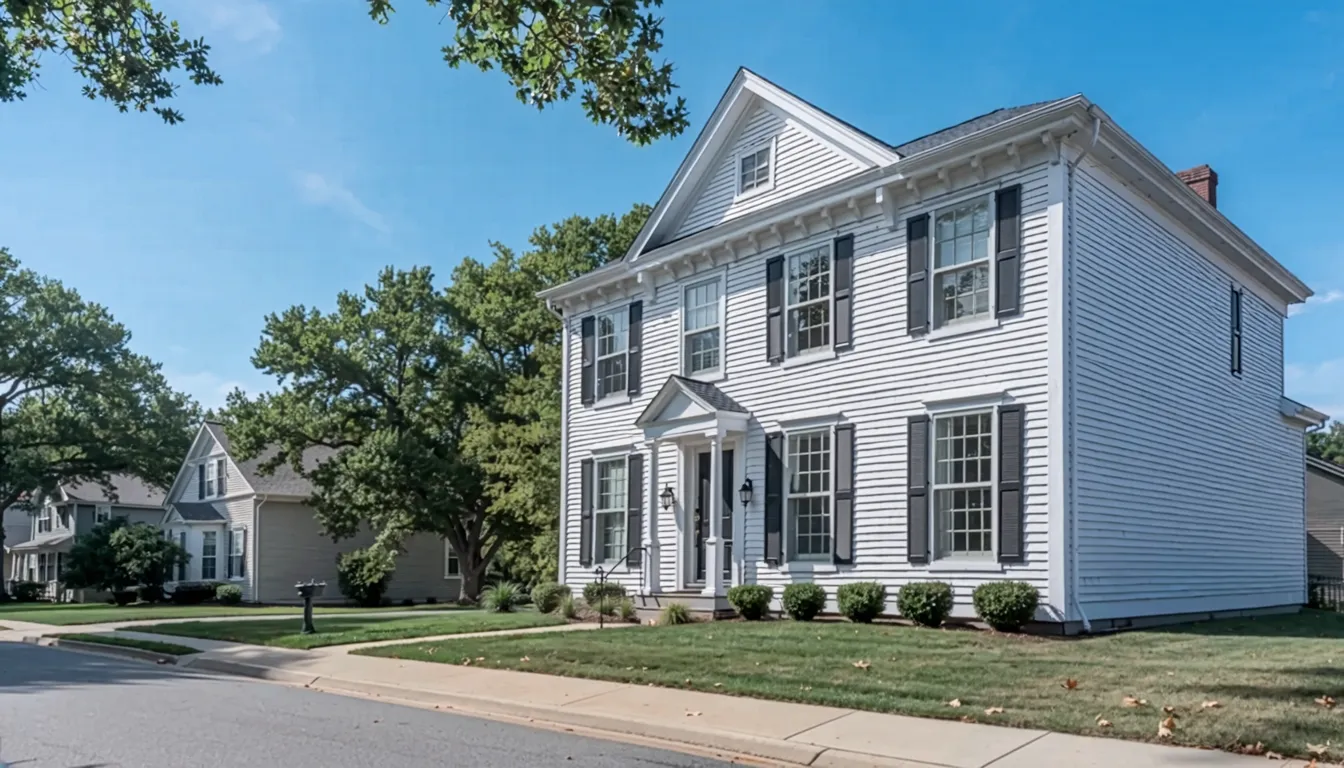
Most housing markets describe low inventory as a supply problem. In Hartsdale, a small community in lower Westchester County about 30 minutes north of Manhattan by train, the shortage is a turnover problem, according to Rey Hollingsworth Falu, broker at Hollingsworth Real Estate Group. Homeowners who locked in mortgage rates between 2.5% and 3% during the pandemic-era refinancing wave are staying put – even when life circumstances might otherwise push them to sell. The result is a market running on just 1.82 months of inventory, where the median sale price has reached $962,000, and properties are selling at 104% of asking price.
The Lock-In Effect in Practice
The typical homeowner sells after about seven years, according to Hollingsworth Falu, whose firm operates offices in New York and Connecticut with roughly 16 agents covering Manhattan, the Bronx, Westchester, and surrounding counties. But that cycle has broken in Hartsdale and communities like it. Sellers who would historically have moved to Florida or Georgia are running the numbers and deciding to stay.
Hollingsworth Falu says these sellers are comparing their current mortgage costs against what they would pay at today’s rates and prices in traditional relocation destinations – and concluding that staying in Hartsdale is the better deal. “They prefer to stay where they are in Hartsdale because the price that they’re paying is a better deal than what they would have gotten down south with the rates as they are and the prices that they are,” he says.
Fewer sellers means less inventory, which pushes prices higher. Properties that do come to market draw multiple bids and move quickly.
Who’s Actually Buying
The buyer pool splits roughly into three groups. City renters make up a significant share – about 75% of New York City’s housing stock is rental, according to Hollingsworth Falu, and when those residents decide to buy, Hartsdale’s combination of suburban space, a walkable downtown, and Metro-North access makes it a natural landing spot. International buyers account for roughly a third of purchases, drawn by proximity to Manhattan without Manhattan pricing. The remaining share comes from local residents forming new households – getting married, having children, moving out of shared living situations.
What unites these groups is a preference for move-in-ready homes. Renovation costs have climbed enough that buyers are willing to pay a premium to avoid them. Flexibility matters too: home office space, multi-generational layouts, and outdoor entertaining areas are consistent priorities.
Buyers coming from New York City are often surprised by what they find. Hollingsworth Falu says many do not expect to find properties with granite countertops, updated bathrooms, and 2,000 to 3,000 square feet of space within a half-hour train ride of Manhattan – at prices well below what similar finishes would cost in the city. “You can find it in the city, but it’d be north of $2 million,” he says.
Station Proximity Cuts Differently by Property Type
Hartsdale sits on the Metro-North Harlem Line, putting Grand Central within roughly half an hour. But proximity to the train station does not function as a single pricing lever across the market. Co-ops and condos near the station attract commuter-dependent buyers – typically people working in the city who need daily access. Those areas carry more commercial activity, restaurants, and foot traffic.
Farther from the station, the buyer profile shifts toward families seeking outdoor space, quiet streets, and access to parks like Secor Woods Park or the Greenburgh Nature Center. “Somebody in their house may need to use Metro-North, but they’re looking at the totality of the community, not just the proximity to Metro-North,” Hollingsworth Falu says.
For buyers weighing a Hartsdale purchase, this distinction matters practically: a commuter-dependent household will compete against a different buyer pool near the station than a family prioritizing yard space and school proximity on the outskirts.
The Investor Calculus
For investors considering the market, the opportunity set narrows around experience level. Hollingsworth Falu says an experienced developer with a reliable contractor network can find value in properties needing significant work by keeping renovation costs controlled. But for first-time investors, he offers a pointed caution: renovation estimates frequently come in lower than actual costs, and pricing often shifts between the start and end of a project.
“It’s very important that investors work with a realtor to make sure they’re getting a fair price for the home when they do make the purchase,” he says. “And that they have some experienced contractors who they work with to make sure their budget is on point during that renovation.”
The rental side presents its own logic. Because some prospective buyers are priced out of ownership, rental demand stays strong. Hollingsworth Falu says there is a market for both market-rate units and those utilizing government assistance programs to fill multifamily properties.
Co-op Transparency and Policy
Westchester County has had co-op transparency rules in place for some time, giving buyers clearer timelines and explanations when applications are denied. New York City recently adopted similar rules, which Hollingsworth Falu welcomes – though he does not expect them to shift buyer decisions between the Bronx and Westchester in a meaningful way, since Westchester buyers already had those protections.
On the policy side, Hollingsworth Falu says the Hudson Gateway Association of Realtors, which represents more than 11,000 agents across Manhattan, the Bronx, Westchester, Rockland, Orange, and Putnam counties, actively lobbies state and federal officials for programs that expand housing supply and make homeownership more accessible at every price level.
What’s Ahead
Hollingsworth Falu frames the buy-versus-wait decision as more complicated than it used to be. The old calculus – wait for rates to drop, wait for prices to soften – has not played out. Prices have not come down, and rate movement remains unpredictable. His advice to buyers is direct: find a home that fits the budget and the household’s needs now, and refinance later if rates improve.
“Marry the house and date the rate,” he says. “If they find the proper home now that fits their budget and has all they’re looking for, we advise them to make the purchase.”
For sellers, the lock-in dynamic that keeps inventory low also keeps their leverage high – but only as long as rate conditions discourage turnover. Hollingsworth Falu says the firm continues to watch interest rates and inventory levels closely as the primary indicators of where the market heads next.
About the Expert: Rey Hollingsworth Falu is a broker at Hollingsworth Real Estate Group, a firm with offices in New York and Connecticut covering Manhattan, the Bronx, Westchester, and surrounding counties, including Hartsdale, New York.
This article is based on information provided by the expert source cited above. It is intended for general informational purposes only and does not constitute legal, financial, or real estate advice. Readers should conduct their own research and consult qualified professionals before making any real estate or financial decisions.