Across much of the Dallas–Fort Worth housing market, the money a seller gives back at closing has stopped working as a bargaining chip. It is now part of how buyers qualify for a mortgage. With rates above 7%, Tabor Campbell, broker and owner of The Max Group, says most of his current transactions involve buyers asking for at least $10,000 in seller concessions. Nearly all of that money goes toward buying down the buyer’s interest rate. A typical concession moves a buyer from about 7.25% to around 5.75%, and that can decide whether the monthly payment works at all. “That’s not just money to put into their pocket,” Campbell says. “That’s money that they need to buy down their interest rate.”
The buyers making these requests are the ones most exposed to rates. Campbell is still seeing first-time buyers and households relocating to DFW for jobs, a steady source of demand in a metro that draws new residents from across the country. For these buyers, the size of the monthly payment and the cash required at closing outweigh nearly everything else. Cash buyers at the luxury end are the exception. For everyone financing a purchase, Campbell says, the deal now depends less on price than on how the transaction is structured.
Structuring the Deal to Protect the Price
Concessions have become central because they solve a problem a price cut does not. A lower price reduces what the seller walks away with, but it doesn’t directly cover a buyer’s closing costs or rate buydown. A concession targets the buyer’s cash and payment directly. That lets a seller hold more of the asking price while still getting a financed buyer to closing.
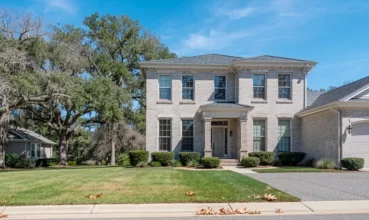
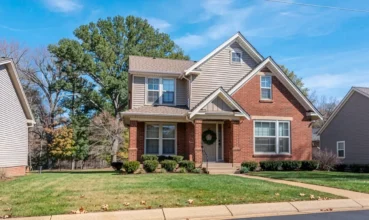
A current listing in Arlington shows how this works. Campbell’s sellers bought near the top of the market two years ago and then had to relocate. The house sat for close to 60 days through a couple of price reductions before a first-time buyer made an offer. That buyer needed $18,000 in seller concessions to cover a rate buydown and closing costs. Campbell structured the contract so the sellers kept as much of the price as possible while the buyer got the funding needed to close.
Where Buyers Learn to Expect It
Buyers arrive expecting concessions largely because builders have set that benchmark across North Texas. Builders can’t afford to hold inventory, Campbell says, so they buy rates down to 4%, cover closing costs, and keep cutting prices to keep homes moving. A resale seller who skips concessions is asking buyers to give up terms they can find a few miles away. Campbell’s advice is to research before listing. “Look at the builder websites and see what they’re offering,” he says. “If they’re offering $15,000 in seller concessions, as a resale seller, you need to be prepared to do the same thing or better to compete.”
That pressure is strongest in submarkets with heavy new construction. In Frisco, north of Dallas, Campbell estimates there are two sellers for every buyer. That leaves buyers free to hold out for the terms they need.
Repairs and Updates Follow the Same Logic
The same financing pressure extends past the rate itself. Campbell says repair requests now center on safety issues that buyers’ lenders require before approving a loan. Sellers have little choice there: they make the repair or fund it through a concession.
Condition works the same way on the front end. Dated homes are the ones Campbell sees sitting on the market. Buyers who are already stretching to cover a 7% mortgage have no room left for renovation. “Buyers are already having to pay more, and if they’ve got to put another $40,000 in it to update the home, that’s not something they’re wanting to take on,” he says. With plenty of inventory to choose from, buyers can find an updated home instead.
Where Sellers Still Hold the Leverage
Not every part of DFW requires sellers to finance their buyers. Campbell identifies the Southlake, Westlake, Colleyville, and Grapevine corridor as the area where multiple offers and quick contracts still happen. Three conditions explain it. There is little new construction to set a concession benchmark. Price points are higher, which attracts affluent buyers who are less sensitive to rates. And demand for the Carroll Independent School District keeps buyers concentrated in a small area. Where buyers want a specific location badly enough, they absorb the cost of financing themselves.
Rates Will Set the Size of the Gap
How much sellers elsewhere in DFW will need to concede depends mainly on mortgage rates. The Federal Reserve raised its benchmark rate in September, and Campbell is watching the coming meetings closely. He doesn’t expect rates to return to 5% anytime soon. What the market needs most, in his view, is a predictable range, roughly 6% to 7%, so buyers know what to plan for. If rates climb further, the gap between what buyers can afford and what sellers expect will widen again. “I think you’ll start seeing prices really kind of start to decelerate, or you’ll see more price cuts, because it’s just affordability again,” he says.
For now, sellers outside the scarcity pockets face a simple choice. They can price the cost of the buyer’s financing into the deal from the start, or they can let the listing sit until price cuts cost more than the concession would have.
About the Expert: Tabor Campbell is a broker and owner of The Max Group, covering the Dallas–Fort Worth area of Texas.
This article is based on information provided by the expert source cited above. It is intended for general informational purposes only and does not constitute legal, financial, or real estate advice. Readers should conduct their own research and consult qualified professionals before making any real estate or financial decisions.