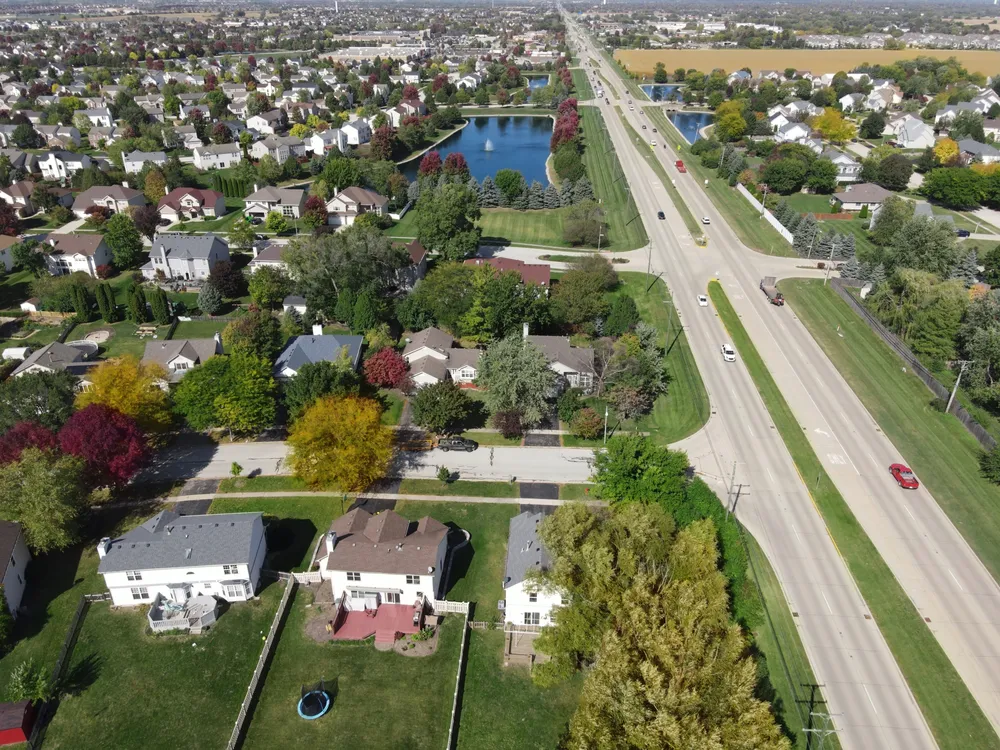
The south suburbs of Chicago offer some of the most affordable housing in the broader metro area. But that affordability comes with an asterisk: property taxes high enough to reshape buying decisions, push investors toward the exits, and force first-time buyers into a narrower set of viable neighborhoods than listing prices alone would suggest.
That tension between purchase price and carrying cost defines the market right now, according to Jennifer Upshaw, who owns and operates L. Upshaw Realty, Inc., a family-owned brokerage with 10 brokers working across the south suburban corridor. “The properties are very inexpensive; it’s the taxes that make it a little challenging,” she says. “You kind of gotta search around and find the right property where the taxes aren’t too bad, and the property cost is also relatively low.”
Upshaw’s father created the brokerage in 2004 with the intention of leaving it to his children. He passed away roughly two and a half years ago, and Upshaw has run the business since.
First-Time Buyers Face Shrinking Options
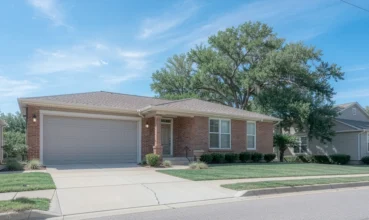
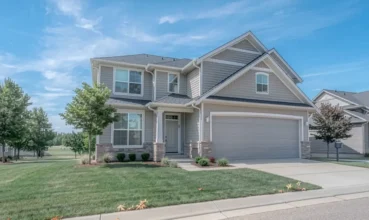
The south suburbs draw a steady stream of first-time homebuyers, the segment Upshaw identifies as her most common client type. Prices are accessible for entry-level purchasers, but accessible pricing has not translated into an easy buying experience.
Higher interest rates have reduced purchasing power, and inventory, while reportedly increasing, has not reached a level that gives buyers real selection. The result is a gap between what first-time buyers want and what they can afford. “Their expectations of what they want versus what they’re able to buy is in conflict,” Upshaw says. That conflict extends timelines rather than lowering standards; buyers keep looking rather than compromising.
She advises buyers not to settle. “I don’t ever want anybody to purchase anything that they don’t absolutely love,” she says. “Fall in love with it the minute you set foot in there.”
First-time buyers also require more guidance than repeat purchasers, Upshaw says. They are often nervous, indecisive, and influenced by secondhand information that may not be accurate. Repeat buyers, by contrast, know what to expect, are clearer about what they want, and move through transactions faster.
Schools and Safety Sort Buyers Into Specific Corridors
What pulls buyers toward one neighborhood over another in a sprawling suburban footprint? Upshaw points to two factors: school districts and perceived safety. Homewood-Flossmoor High School, she says, is a magnet. “Everyone wants to be in that school district.”
That demand concentrates buyers geographically, narrowing the effective market. For families prioritizing education, the south suburbs are not one market; they are a handful of school-district-defined corridors where competition is real, and selection is limited.
Safety and police presence are the second filter, particularly in more affluent communities like Homewood, Flossmoor, Olympia Fields, Matteson, Tinley Park, and Orland. Upshaw connects this directly to the tax burden residents carry. “We do pay a lot of taxes out here, so we do expect that there would be some police safety and presence,” she says. “They’re willing to pay the price to feel more safe in their homes.”
Multi-Family Properties Gain Traction
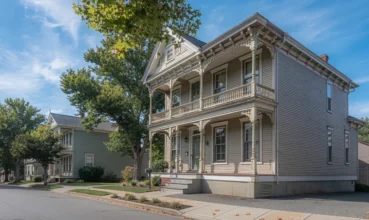
Upshaw flags growing interest in two-flats and three-flats among buyers who might otherwise purchase single-family homes. The logic is straightforward: live in one unit and let tenants cover the mortgage.
“I get a good amount of people who are kind of transitioning away from single-family homes and trying to buy two-flat or three-flat,” she says. In a market where buying power has declined, the ability to offset housing costs with rental income lets buyers stay in the game without overextending.
Financing Remains the Top Deal-Killer
When transactions fall apart in this market, the cause is usually financial. Upshaw says financing failures outpace inspection issues as the primary reason deals collapse. Credit score drops right before closing, undisclosed gift funds that fall through, last-minute scrambles to verify down payment sources, these are the patterns she sees repeatedly.
“It’s usually around money and finance,” she says. Inspections, by contrast, have been manageable. “I actually haven’t had deals fall apart because of the inspection lately.”
Unexpected property conditions still surface. Upshaw describes final walk-throughs where buyers discover flooding or mold that went unnoticed for weeks, but she says those situations can usually be negotiated through. Financing problems are harder to fix once they appear.
Investors Are Reconsidering Whether to Stay
Upshaw works with a mix of buy-and-hold investors and flippers, including out-of-state clients in Florida and California who rely on her local knowledge to evaluate properties. She connects investors with tax liens, tax deeds, and wholesale deals to find lower-cost entry points.
But property taxes are making that pitch harder. “The taxes are really concerning for everybody,” she says. “It’s making it very hard for even our investors to want to stay in this area.” For a market whose primary appeal is affordability, persistently high taxes erode the very advantage that draws buyers in.
MLS Changes Add Friction for Brokers
Beyond taxes, Upshaw says changes to MLS access, particularly after the commission lawsuit settlements involving major brokerages, are creating friction for brokers trying to market properties. “Zillow has pulled out of the MLS, and I think that has also been a big deal for a lot of brokers,” she says. Brokers are now working to find ways to market listings and generate leads outside traditional MLS distribution channels.
Taxes Remain the Defining Constraint
Every other challenge in this market, limited inventory, reduced buying power, cautious investors, exists in the context of a tax burden that shapes nearly every decision. Upshaw says it is the first thing anyone mentions about the South Suburbs. “The first thing you mention about the South Suburbs, they’re going to mention the taxes being so high.”
For buyers drawn to the area’s diversity, strong school districts, and low purchase prices, the calculation is whether those advantages outweigh carrying costs that can rival or exceed the mortgage payment itself. For investors, the question is simpler: whether the numbers still work at all.
About the Expert: Jennifer Upshaw owns and operates L. Upshaw Realty, Inc., a family-owned brokerage working across the south suburban Chicago corridor.
This article is based on information provided by the expert source cited above. It is intended for general informational purposes only and does not constitute legal, financial, or real estate advice. Readers should conduct their own research and consult qualified professionals before making any real estate or financial decisions.