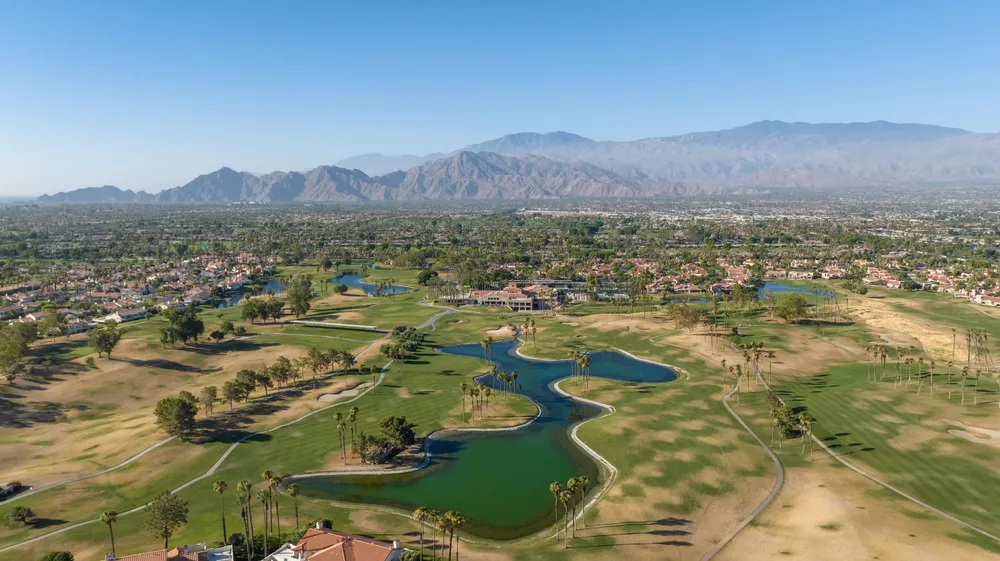
The Coachella Valley, the string of desert communities stretching from Palm Springs to Indio in Southern California, operates on a seasonal rhythm that most housing markets don’t share. Luxury second-home buyers arrive in winter. Year-round residents, many of whom need to sell a home elsewhere before purchasing locally, close transactions in summer. Agents who treat the market as a single entity, rather than two overlapping ones with different buyers and different housing types, routinely misjudge when to list and whom they’re selling to.
Christopher Casas, a Realtor and Broker Associate with Keller Williams Realty in La Quinta who has sold homes in the area since 2001, describes a market where listing strategy depends less on broad conditions and more on matching a property’s type to the season its likely buyer is active.
Two Markets, One Calendar
The conventional wisdom holds that Coachella Valley real estate is a winter business, that January through March is the selling season and summer is dead weight. Casas says the data tells a different story. “January through June sells equally as well as it does July through August, and that blows people away,” he says.
The difference is buyer composition, not volume. Winter brings discretionary purchasers, second-home buyers from the Pacific Northwest, Canada, and other parts of Southern California. These are cash buyers who can write a check but face no pressure to close. “They’re very, very picky, because if it doesn’t hit all those buttons, they’re just going to keep looking,” Casas says. “They don’t have to buy it.”
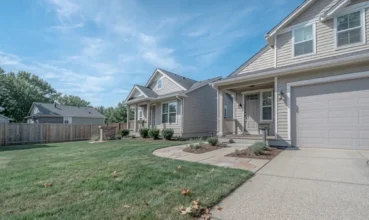
Summer buyers are a different population. These are year-round residents – often retirees or families – who listed their primary home elsewhere in spring and closed escrow by midsummer. They arrive as motivated purchasers with proceeds in hand. Casas calls them “the true buyer” and notes that misunderstanding their timeline is one of the most common mistakes sellers make locally.
The practical consequence: listing a luxury golf-course home in July means missing the buyer pool most likely to purchase it. Listing a family home in January means the same thing. “The timing of the marketplace and the alignment of the product and what you’re trying to sell is a real big piece of the market down here,” Casas says.
A Bifurcated Condition Market
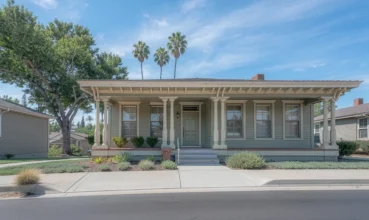
Current conditions in the eastern Coachella Valley reflect a pattern familiar to aging housing stock. Homes in the area are roughly 25 to 30 years old, and the gap between updated and outdated properties is widening in terms of buyer interest.
Price per square foot in Casas’s sphere remains stable or rising, but transactions on renovated homes drive that figure. Outdated properties are sitting. “Today’s buyers are real picky. They don’t want to do the work,” he says. When median and average prices appear to soften, the change reflects the mix of what’s selling rather than a uniform decline across all property types.
Casas describes this as stabilization rather than a downturn. “We’re not seeing a drop or crazy reduction in price as I saw during the foreclosure process,” he says, referencing the period when comparable sales would drop noticeably within months. The current environment is flatter, and for sellers with updated homes, still productive.
For buyers, the split creates a clear decision point: pay more for a move-in-ready home, or accept a lower price on an outdated property and take on renovation risk in a market where those homes are drawing less competition.
Sellers Are Coming Off the Sidelines
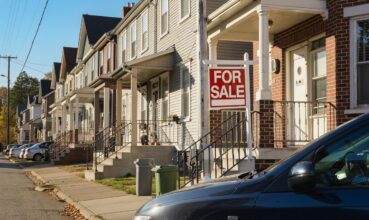
Listing activity in Casas’s sphere has picked up notably over the past 60 days – a period that would typically be quieter. Many of these sellers waited through the post-COVID softening, expecting a rebound that hasn’t materialized. “I’m seeing some of those homeowners that might have been waiting finally getting off the fence,” he says. “I had to order new signs.”
He attributes part of the increase to his own social media messaging, where he has emphasized that slower markets offer advantages to both buyers and sellers: less competition, more selection, and more negotiating room. “The developers I worked for did all of their big transactions in the slower markets,” he says. “They didn’t go out and buy big pieces of property when everything was inflated.”
Younger Buyers and AI-Generated Confusion
A less expected friction point has emerged: buyers using AI tools to generate advice during transactions. Casas describes recent closings with less experienced buyers who responded to contract terms and negotiation points with AI-generated language. “I can tell it’s all AI,” he says. “Maybe the computer thinks that, but that’s not how it really happens.”
The issue compounds an older problem: outside influences, whether family members or digital tools, create confusion during an already stressful process. Experienced buyers sign contracts without reading every clause, while newer buyers want to understand each page, often armed with contradictory information from multiple sources. The result is longer timelines and more education required to reach closing.
“Real estate transactions are insanely complex,” Casas says. “I’m helping a family make a five to seven hundred thousand dollar decision. They’re going to leverage everything they have in their life.”
The Growth Curve
Casas frames current pricing against a longer-term trajectory: a roughly 5% annual growth curve that the valley followed before Covid pushed prices above trend. The market has now settled back toward that line. “It wasn’t that it fell apart, but the market stabilized, and we’re kind of getting right back to that 5% curve,” he says.
His read on what comes next: “Usually after flat and stale markets, things will take off soon.” For buyers weighing the Coachella Valley now, the combination of stable pricing, reduced competition, and seasonal buyer patterns that thin out the field may offer more favorable conditions than a market that has already reaccelerated.
About the Expert: Christopher Casas is a Realtor and Broker Associate with Keller Williams Realty in La Quinta, with experience selling homes in the Coachella Valley since 2001.
This article is based on information provided by the expert source cited above. It is intended for general informational purposes only and does not constitute legal, financial, or real estate advice. Readers should conduct their own research and consult qualified professionals before making any real estate or financial decisions.