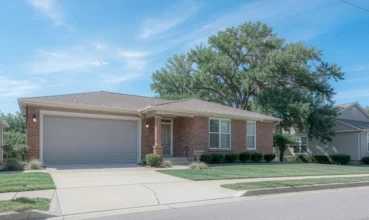
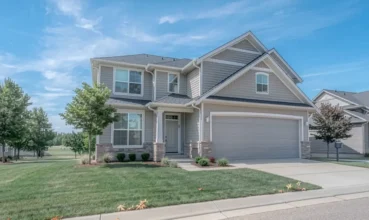
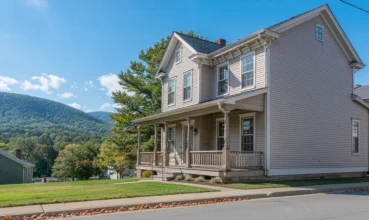
Most of the country’s housing markets have cooled since the pandemic boom. Bradford County, Pennsylvania, has not. More than six years after the pandemic reshuffled housing demand, sellers there still hold the advantage, because the county’s market runs on its own timeline rather than the nation’s.
“We are still in a seller’s market and we have been that way since COVID,” says Shannon Clark, a residential, land, and commercial specialist with Century 21 Jackson Real Estate who has worked rural Pennsylvania and parts of New York for 20 years. “We are usually a couple years behind the national trends. So we are still seeing multiple offers. Houses, if they’re priced right, will sell within one week.”
Clark tells clients to tune out national housing news. She traces the county’s pace to two local conditions. Inventory stays thin because the rural county has few houses to begin with and very little new construction. Meanwhile, a very low unemployment rate keeps a steady stream of young buyers competing for what does come up. Clark puts the average sale price around $200,000 and says prices continue to rise.
Why Building New Doesn’t Fill the Gap
In most markets, sustained demand eventually draws builders. In Bradford County, the economics work against it. According to Clark, the little new construction that does happen usually involves people who bought land from their parents and built on it. Anyone else building outside a subdivision must pay for a septic system, a well, a driveway permit, and electric service, plus the lot itself. That total runs well over $100,000 before construction begins.
“The income in our area does not justify that, normally,” she says.
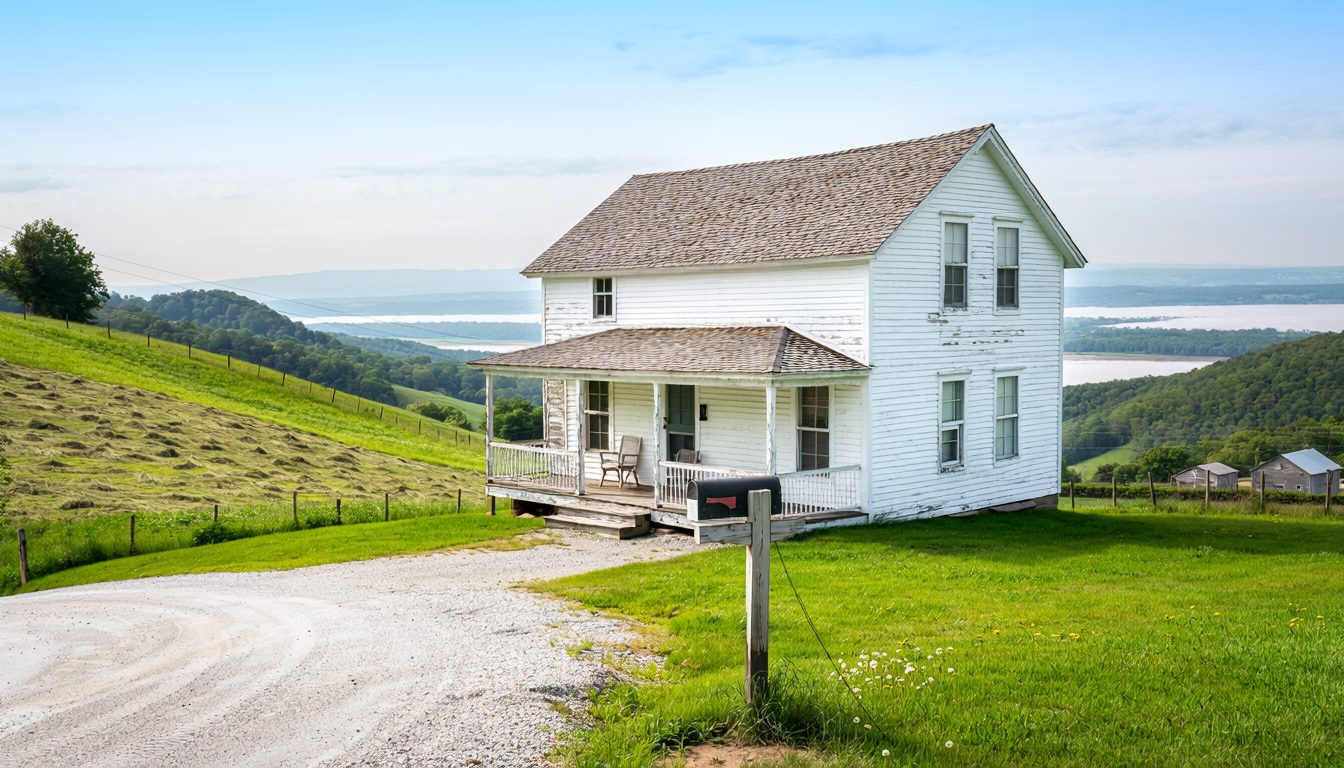
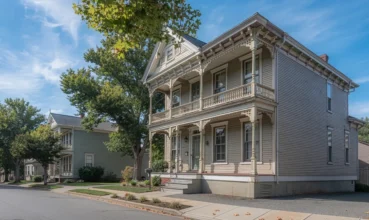
Subdivisions would lower those costs, but the county has very few of them, and residents resist new ones. Hemlock Hills, a subdivision where Clark has listed lots, shows both the demand and the resistance. It serves retirees who want to leave big two-story Victorians and farmhouses for smaller ranch homes with views while keeping public water, public sewer, and good internet. Even so, it took quite a few years to get through local approval. Clark says residents object to what they see as cookie-cutter houses. Homeowners associations don’t exist in the area, she says, and locals would not accept paying to live somewhere.
Clark attributes that attitude to the county’s blue-collar, industrial character. People there do not want anyone telling them what to do with their property. Instead of formal rules, neighbors look after each other directly. “We always say small town, big hearts in our area,” she says.
What Moves and Who’s Buying
The thin supply shows most clearly in what sells fastest. Anything priced under $250,000 sells in a couple of days, according to Clark. Land and homes with ten or more acres also move quickly. The county’s reputation for hunting and its stretch of the Susquehanna River draw buyers looking to get away, including second-home buyers. Local buyers, by contrast, tend to stay modest; Clark describes a conservative area where people rarely go for big houses. Luxury starts at roughly $500,000. The county has seen a few million-dollar sales this year, usually beautiful properties with a lot of acreage, and Clark calls that segment still very strong.
Buyer financing leans heavily on government-backed loans: FHA, USDA, VA, and PHFA programs. Rising interest rates haven’t stopped those buyers, Clark says, but they have lowered the purchase price each buyer can afford.
Out-of-state buyers add to the competition. Many come from New York, just across the border, attracted by Pennsylvania’s lower taxes and utility costs. More recently, Clark has seen buyers arrive from California. Relocating buyers most often ask about rules and regulations, and the short answer is that there aren’t many. The county only recently began adding land-use rules, and data center proposals prompted them, not housing growth. This summer, the county amended its land development ordinance to address data centers, which residents oppose. “We are used to seeing fields and mountains and creeks and streams and trees,” Clark says. Some out-of-state buyers like the lack of regulation; others don’t.
Where Rural Deals Break Down
Even with buyers lined up, transactions in Bradford County stall on local constraints. Clark spots those stalls early because of her background in title work. She started as a title searcher in an attorney’s office, then became a title agent, and then became a real estate agent. She can read a title commitment, and she knows how long each step should take, so she recognizes trouble when timelines run long.
Appraisals cause the most delay. The county has roughly five appraisers, according to Clark, so timelines stretch simply because too few people handle the volume.
Property infrastructure creates the problems that surface late. Springs don’t qualify for all loan types, a detail Clark says many local agents don’t understand. Septic systems carry a different risk, because many sellers have never had their system pumped or tested. “You don’t know you have a septic problem until it’s a huge problem,” Clark says. She recommends a septic test on every transaction. Sellers usually welcome the test, she says, because they would rather find a fixable issue than wait for a failure that costs $20,000.
Competition compounds the risk. Because multiple offers remain common, most buyers skip inspections or limit them to show fewer contingencies, even on rural homes with private wells and septic systems. Some sellers of higher-end homes now order pre-listing inspections, but most don’t.
“It stinks to be a buyer right now in our area,” she says.
Looking Ahead
Clark expects Bradford County to hold up through 2027, though she thinks interest rates will hurt the market slightly. She considers 7% normal by historical standards and a sign of a healthy economy, one where savings earn real returns. “I think we go to the eights, nines, then we’re going to see problems,” she says, because higher rates would cut further into the buying power of the government-loan buyers who drive most local sales. She tells buyers plainly that the 2%, 3%, and 4% rates of the pandemic years will not return.
Nothing on the supply side looks likely to change soon. New construction remains out of reach for most local incomes, residents resist new subdivisions, and inventory stays low. Buyers who succeed in this market accept current rates and move fast when a well-priced home appears, because in Bradford County, that home will likely sell within a week.
About the Expert: Shannon Clark is a residential, land, and commercial real estate specialist with Century 21 Jackson Real Estate, covering rural Pennsylvania and parts of New York.