The Phoenix metro area has long attracted out-of-state capital, but within the broader market, a geographic divide is widening. The West Valley, encompassing cities like Goodyear, Buckeye, Avondale, and portions of Surprise and Peoria, is experiencing a wave of commercial infrastructure development that is pulling residential demand westward, away from the traditionally dominant East Valley corridors of Scottsdale, Chandler, and Tempe.
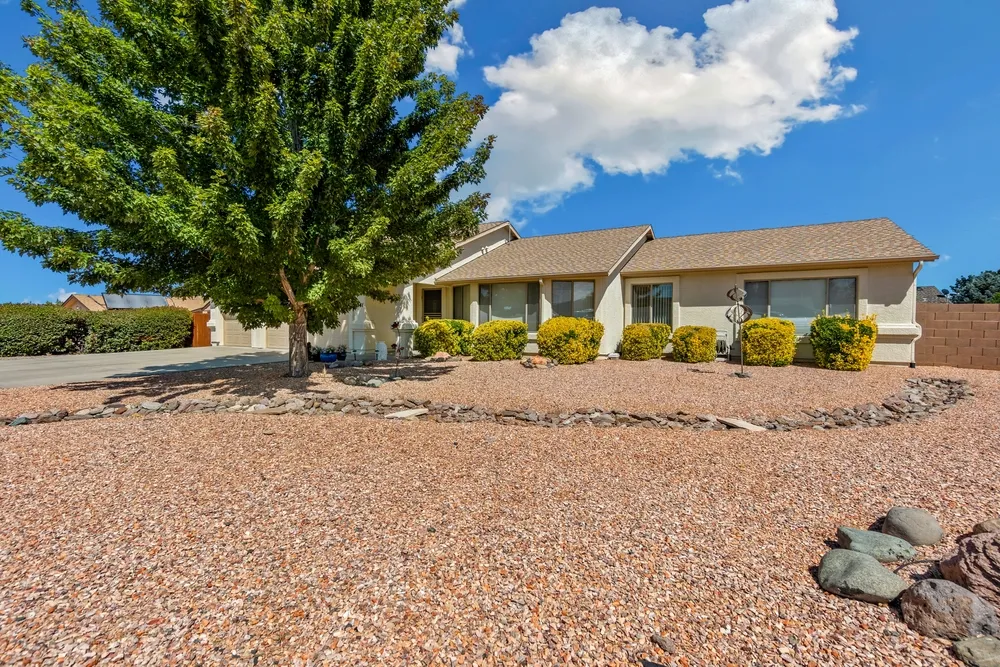
The divide matters for investors because entry prices remain substantially lower on the west side while appreciation rates hold steady. According to Michelle Minik, Founding Partner & Team Lead at Team Minik with Realty of America, the West Valley is seeing year-over-year appreciation of around 4.4%, with homes still available near the $300,000 mark in areas like Buckeye, a price level that has largely disappeared from the East Valley’s established submarkets.
“Scottsdale, Chandler, Tempe, Paradise Valley, those areas are great,” Minik says. “But you’re not going to get in at a bargain price like you would now.”
Infrastructure as the Leading Indicator
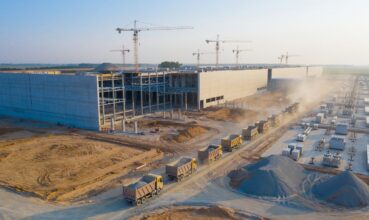
What distinguishes the current West Valley cycle from earlier phases of suburban sprawl is the pace and density of commercial development. The 303 freeway corridor, which connects the northwest valley to the northeast, has created accessibility that didn’t exist a decade ago. Major employers and retailers, Amazon, Walmart, and a new Costco in Buckeye, among them, are concentrating along these transportation arteries.
The pattern is visible at the submarket level. Minik points to Verrado, a master-planned community at the base of the White Tank Mountains in Buckeye, as an example of how infrastructure investment accelerates residential demand. “They put in the infrastructure. More people are gravitating; it’s getting to be a faster-paced market. Whereas if you talk to me three years ago, it was slower because they didn’t have all that there.”
By contrast, communities positioned further from freeway access, like Estrella Mountain Ranch in the southern portion of Goodyear, move more slowly despite comparable home quality. Proximity to commercial amenities and freeway on-ramps is functioning as a pricing mechanism; buyers will pay more, and properties sell faster in areas where daily errands, dining, and commutes require less driving.
The Buyer Profile Driving Demand
The West Valley’s buyer pool is notably diverse. Seasonal residents purchasing second homes represent a consistent segment, drawn by spring training, golf, and winter weather. But the larger volume comes from permanent relocators fleeing cold-weather states. Washington, Oregon, and the Chicago metro are among the most common origins.
Minik notes that this seasonal migration pattern is about to accelerate. “We got about a month and a half left until we see an influx of those buyers coming out,” she says, referring to the annual cycle of fall and winter relocations.
The market is also drawing acreage buyers looking to build custom homes in areas like Tonopah and Wittmann, where land remains affordable for horse properties and larger lots.
Current Market Conditions Favor Prepared Sellers
Despite low inventory, hovering around three months of supply, the West Valley remains slightly buyer-favorable in terms of negotiating leverage. Buyers are still extracting concessions from sellers, particularly credits toward closing costs. Condition has become a decisive factor: homes needing roof replacement or new HVAC systems are struggling against new-build competition where those concerns don’t exist.
“If your property is not selling right now, it’s not because there aren’t buyers out there,” Minik says. “It’s really because it’s either overpriced or the condition of the property is not up to speed.” She notes that one in three homes sells every month in the current environment, and that multiple-offer situations have recently returned on well-priced listings, even with mortgage rates in the mid-to-high sixes.
For sellers, the implication is direct: a property in poor condition now competes not just against other resale listings but against new builds where buyers face no deferred maintenance. Sellers unwilling to make repairs or offer credits are losing deals at the inspection stage.
Investor Positioning
For rental investors specifically, Minik recommends proximity to freeway access as the primary filter. Properties too far south or west, where tenants face longer commutes and higher gas costs, command lower rents. New construction offers lower maintenance overhead, and builders are currently offering concessions on spec homes to investors.
The luxury segment across Maricopa County is also performing unusually well. “This is the first time that I have seen in decades our luxury market all over Maricopa County is one of the hottest markets right now,” Minik says. For investors willing to take on improvement projects in the luxury tier, she sees opportunity in properties that need work but sit in strong locations.
Builder incentives, meanwhile, have contracted since the beginning of the year. Early on, new-home builders were offering aggressive concessions; now those have pulled back to modest rate buydowns or appliance packages, a signal, according to Minik, that builders are confident enough in demand to stop discounting heavily.
Entry-Level Access Is Returning
One trend Minik is watching closely is the re-entry of first-time buyers into the market. During the post-Covid run-up, rising prices and limited seller concessions effectively locked out entry-level purchasers who had saved for down payments but couldn’t cover full closing costs. That dynamic is now shifting as sellers become more willing to offer credits.
“It’s finally turning around,” she says. “It’s very nice to see that it’s becoming more affordable for people.”
Minik frames this as an economic concern beyond individual transactions: homeownership generates property tax revenue and supports the broader local economy, and a market that excludes first-time buyers weakens that cycle. The return of seller concessions is reopening a path that had been closed for several years.
About the Expert: Michelle Minik is Founding Partner and Team Lead at Team Minik with Realty of America, covering the West Valley of Phoenix, Arizona.
This article is based on information provided by the expert source cited above. It is intended for general informational purposes only and does not constitute legal, financial, or real estate advice. Readers should conduct their own research and consult qualified professionals before making any real estate or financial decisions.