

Rising insurance costs in coastal markets are fundamentally reshaping commercial real estate investment strategies, with some property expenses reaching unprecedented levels, according to Jo...

Huntsville's Average Home Price Hits $375K as Space Command Relocation Widens Entry-Level Housing Gap

Written by:
Date:
02 Mar 2026
Share via Facebook

Share via Linkedin

Share via X

Copy to clipboard

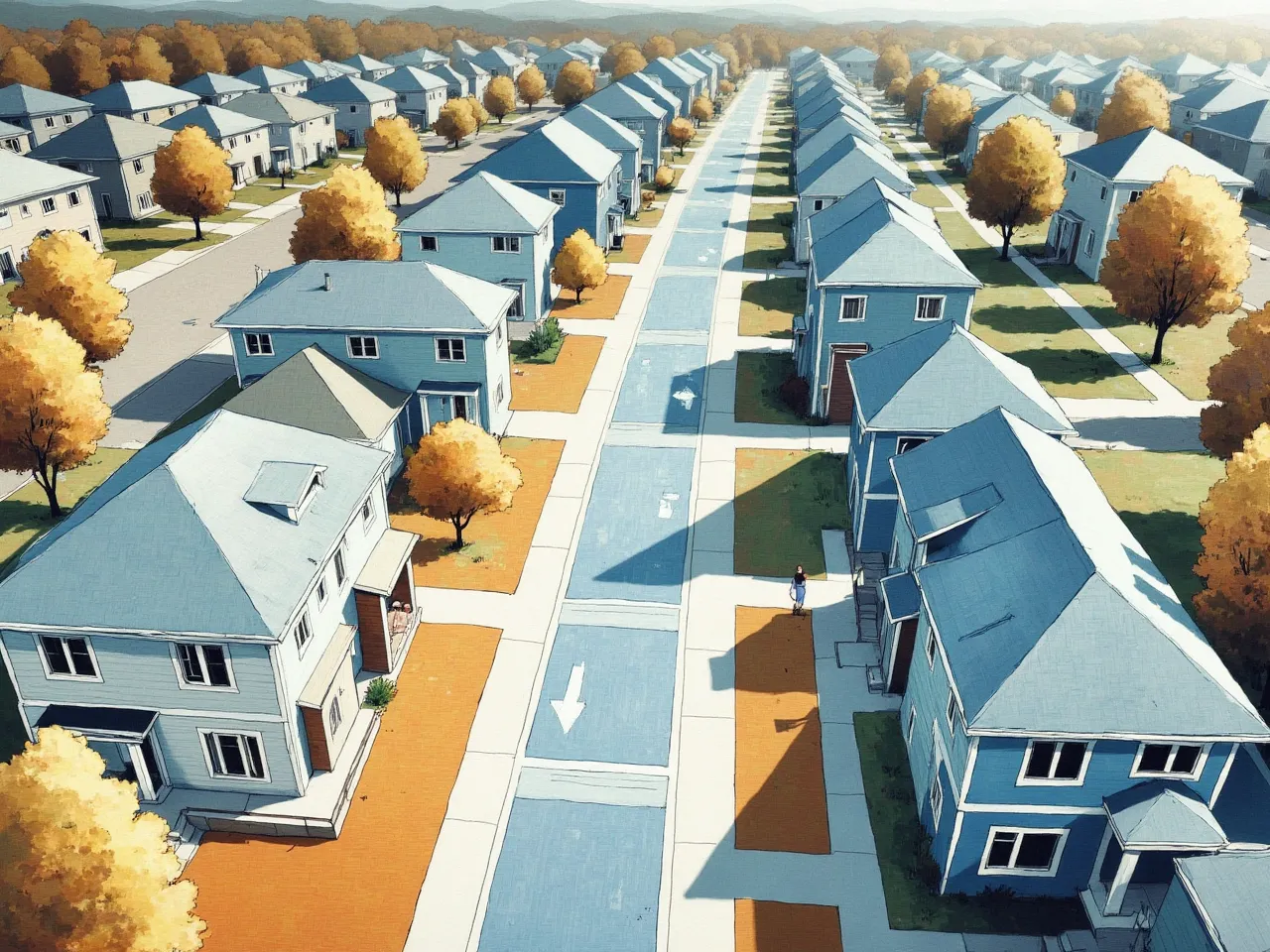
Huntsville’s average home price has climbed to around $375,000, creating a widening gap between the city’s rapid employment growth and the availability of homes affordable to incoming workers. Nina Soden, Associate Broker/Realtor at The Soden Team of Legend Realty, says the current market is not positioned to meet the needs of the thousands of new residents expected as Space Command relocates from Colorado to the Huntsville area over the next five to six years.
“Our average home price in this area has steadily gone up over the last several years. I think our average sale price right now is a high $370,000s, like $375,000, which unfortunately is not affordable for many first-time homebuyers,” Soden says.
The affordability challenge is especially acute for the incoming workforce profile. Many Space Command employees and workers supporting Huntsville’s expanding aerospace and defense sectors will be entry-level and mid-career professionals, most seeking homes in the $250,000–$300,000 range. Inventory in this segment is already limited, and competition is rising.
The Space Command Effect
The relocation of Space Command represents one of the largest workforce migrations in recent U.S. history, with thousands of military personnel, contractors, and support staff expected to move to the Huntsville area over several years. Soden says this influx will shift housing demand toward entry-level and mid-range inventory.
“With Space Command coming from Colorado to the Huntsville area over the next five to six years, we’re going to see a lot of first-time homebuyers. We’re going to see a lot of entry-level employees coming into the area,” Soden says. “Affordability is going to be a major concern and a primary focus, I think, in the coming years because we’re going to have buyers that are at that entry-level price point needing affordable homes as opposed to needing luxury homes.”
However, Huntsville’s housing market has been moving in the opposite direction. Average prices have risen steadily, driven by strong job growth, limited inventory, and higher construction costs that have pushed new homes into higher price brackets. The current market caters more to move-up buyers and luxury purchasers, with little entry-level supply to accommodate new residents.
Some builders have started introducing homes priced in the high $200,000s to low $300,000s, but it is unclear if this supply will expand quickly enough to meet demand. If not, incoming workers may have to pay more than their budget allows, accept longer commutes from outlying areas, or rent for extended periods. These outcomes could slow economic growth and reduce homeownership rates among new residents. “I think we’re going to see more of those affordable homes as opposed to luxury homes coming into the market in the next couple of years,” Soden says.
Geographic Fragmentation
Huntsville’s affordability challenge varies significantly across the metro area. Proximity to major employers, school districts, and transportation corridors creates micro-markets with different price dynamics and inventory levels. For example, homes in Madison City school zones and Owens Cross Roads command premium prices and sell quickly due to perceived quality-of-life advantages. Properties farther from downtown Huntsville or major roadways like the Parkway, 565, or I-65 move more slowly and are priced lower, but may not appeal to buyers who prioritize commute times or school access.
“The farther out of the city you get, you’re going to get slower-to-move properties,” Soden says. “In the Madison City school zones, you’re going to get faster-moving properties, which are also going to get a little bit pricier.”
This geographic fragmentation means affordability is tied not just to price but also to location and access. Entry-level buyers may find homes within their budget in areas like Hazel Green, Meridianville, or New Market. Still, these properties often require longer commutes to Redstone Arsenal or other major employment centers. Buyers who want to live near work or in top-rated school districts may be priced out, forced to compete for limited inventory in the mid-$300,000s or higher.
The result is a market increasingly divided by income and access, with first-time buyers and entry-level employees facing the most restricted options. Soden expects rental demand to remain strong, with many incoming workers choosing to rent for one to two years while they assess the market and save for a down payment. “Any time somebody from out of state comes in, it’s not uncommon for them to rent for a year or two before purchasing, so they can get to know the area and what they want,” Soden says.
The Perception Gap
Soden points out that Huntsville’s affordability challenge is often misunderstood by outsiders, who assume Alabama’s cost of living automatically means low housing costs. While Huntsville remains more affordable than many coastal or high-growth markets, the gap between local incomes and home prices has narrowed in recent years. “I think that a lot of people just look at it as, it’s Alabama, you know, it must be affordable, which it is — I mean, our cost of living is very affordable — but I think there’s a lot of misconceptions in real estate in general,” Soden says.
This perception gap can create challenges for employers trying to recruit talent from higher-cost markets. Workers relocating from cities like Denver, San Francisco, or Washington, D.C., may expect Huntsville’s housing costs to be dramatically lower, only to find the difference smaller than anticipated — especially if they are seeking homes in desirable school districts or neighborhoods close to work.
The Soden Team’s View
Despite the affordability squeeze, Soden is optimistic about Huntsville’s market over the next year. She expects conditions to normalize, with balanced opportunities for buyers and sellers who are prepared and realistic about their options. If interest rates decline as federal officials have indicated, Soden predicts home sales could increase by 8–10% nationally, with Huntsville likely to see similar or stronger growth due to its employment base and in-migration trends.
However, she stresses that continued growth depends on increasing the supply of affordable homes. If builders do not ramp up production quickly, the affordability gap will widen, potentially slowing economic growth and reducing homeownership opportunities for the workers driving that growth. “I think I’m pretty optimistic. This market rewards expertise, it rewards communication, and it rewards strategy, and that’s good for our consumers,” Soden says.
Looking Ahead
As Huntsville prepares for one of the largest workforce migrations in its history, the central question is whether the housing market can adapt quickly enough to meet demand. The answer will shape not only the trajectory of home prices but also the accessibility of homeownership for the next generation of Huntsville residents.
For buyers, the coming years will likely require flexibility — whether that means expanding a search to outlying areas, adjusting price expectations, or renting before buying. For sellers and builders, the opportunity lies in meeting the needs of a rapidly growing, affordability-focused workforce. The stakes are high: Huntsville’s ability to deliver accessible housing will influence its economic momentum and long-term appeal as a destination for talent.
Similar Articles
Explore similar articles from Our Team of Experts.
Greenville Land Shortage Forces Upstate South Carolina Developers into Riskier, Longer-Term Projects
Upstate South Carolina’s commercial real estate market is facing a critical shortage of vacant land, according to Maggie Steck, broker in charge at Freedom Commercial. Steck, who has speci...