

The ultra-luxury real estate market in Southern California is experiencing what Jeff Biebuyck, founder of Frontgate Real Estate and a top 1% nationally-ranked team leader, calls “a geo...

How to Choose the Best Senior Care Facility: Expert Tips for Families in 2026

Written by:
Date:
05 Mar 2026
Share via Facebook

Share via Linkedin

Share via X

Copy to clipboard

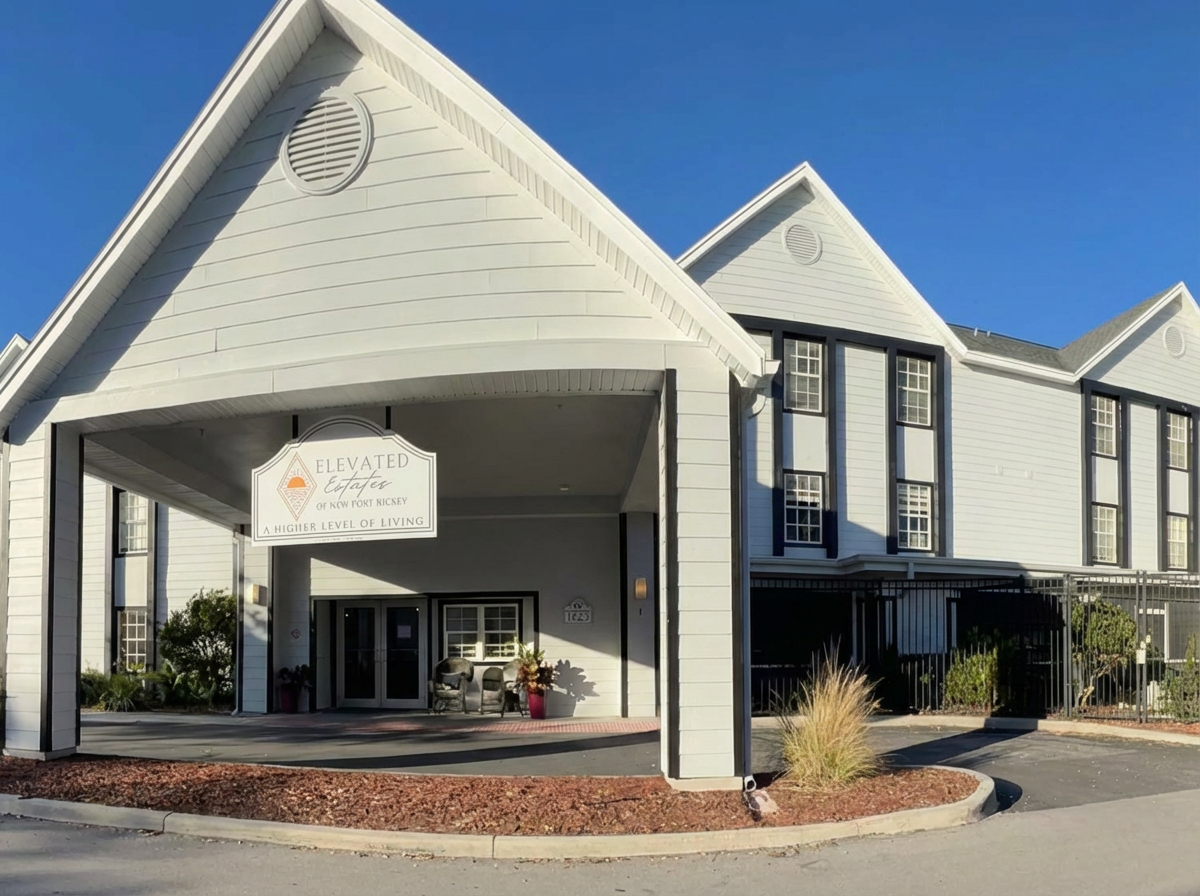
Finding the right assisted living facility or memory care community can feel overwhelming. Between touring properties, comparing pricing structures, and making emotional decisions about a loved one’s future, families often struggle to know where to start. Douglas Halperin, Principal at Elevated Estates in Florida, offers practical guidance based on years of experience helping families navigate this critical transition.
“The biggest thing is understanding who you’re looking for and what they are looking for,” Douglas explains. His approach emphasizes matching care needs with the right environment rather than simply finding any available placement.
Understanding Senior Care Needs: The First Step in Choosing Assisted Living
Before touring any assisted living facilities, Douglas recommends families take time to honestly assess their loved one’s current and anticipated care needs. This foundation shapes every subsequent decision about senior housing.
“What kind of care do they need?” Douglas asks. “Certain properties will specialize in different kinds of things, and have different types of acuity levels for care. How much care are they requiring?”
This assessment extends beyond medical needs to lifestyle preferences. Does your loved one thrive in larger social settings with 150 to 200 other residents, or would they prefer a smaller, more intimate community of 40 to 50 people? Do they want extensive outdoor spaces for activities, or are indoor amenities more important?
“What kinds of activities are they looking for?” Douglas notes. “Is this someone who wants to spend a lot of time outdoors? Maybe there are properties that have large outdoor spaces, large outdoor areas that people take advantage of, whereas there might be other properties where that’s not really a focal point.”
Assisted Living Costs: Understanding Hidden Fees and Pricing Structures
Douglas emphasizes that many families underestimate the complexity of assisted living pricing and memory care costs. The advertised price often represents just the starting point, not the total monthly cost.
“A lot of places do levels of care,” Douglas explains. “The price that is advertised will be one thing, and then it will go up substantially, sometimes three thousand, four thousand dollars more than the advertised price based on certain care criteria and things like that.”
He recommends families ask detailed questions about pricing structures during initial tours. Does the facility use all-in pricing where the monthly rate stays consistent, or do they charge additional fees based on care levels? What specific services trigger price increases? For families considering memory care, this question becomes even more crucial. Cognitive decline typically progresses over time, meaning care needs will likely increase.
“If you’re bringing someone into a property for four thousand dollars a month, and that’s the be-all, and end-all, but there’s a decent chance six months later it’s going to be going up to forty-five hundred dollars a month, five thousand dollars a month, that might not be the right place,” Douglas cautions.
Medicaid Acceptance and Affordable Senior Living Options
Understanding Medicaid eligibility and which senior care facilities accept Medicaid can significantly impact long-term planning. Some assisted living communities accept Medicaid while others operate on private pay only, and this distinction matters enormously for families managing limited resources.
“Do they qualify for Medicaid? Are they going to be doing only private pay?” Douglas asks. “What, and how much can they spend a month for how long? All those kinds of things to really have a very clear understanding of the finances.”
Douglas recommends choosing a facility that remains affordable even as care needs increase, rather than starting at the upper limit of what’s financially possible. This prevents the trauma of having to move a loved one due to cost increases, particularly problematic for individuals with memory impairment.
“You might want to go to a property that is a little bit more affordable for now and then grow into that, as opposed to having to move six months later,” he suggests. “Especially when it comes to people with memory care, moving and transitions can be a bigger issue. So you want to find a place that you really feel like you can grow with.”
Senior Living Facility Tours: What to Look for When Visiting
No amount of online research replaces physically visiting an assisted living or memory care facility. Douglas strongly recommends touring any senior housing property under serious consideration.
“You’re obviously going to want to take a tour and see the property,” he states. “See what everything looks like. See what the bathrooms look like.”
During tours, Douglas advises families to look beyond staged common areas. Ask to see actual resident rooms. Examine bathroom configurations, particularly if your loved one has mobility challenges. Does the person have difficulty getting into and out of showers or bathtubs? Not every bathroom design accommodates every need.
“Does this person have a little bit of difficulty getting into and out of a shower or a bathtub or something like that?” Douglas asks. “Not every bathroom is going to look the same, not every room is going to look the same. So you’re going to want to really see exactly what it looks like physically and make sure that it’s in keeping with both what you’re looking for as well as what the person needs for their level of mobility.”
Evaluating Assisted Living Staff and Community Culture
Beyond physical facilities and pricing structures, Douglas emphasizes assessing the intangible qualities that define daily life in any senior living community.
“In general, you want to find people that are caring and loving and appreciate the job that they’re doing, and that shows in a lot of ways,” Douglas explains.
Watch how staff members interact with residents during your tour. Do they engage warmly and individually, or do interactions feel rushed and impersonal? Are staff members addressing residents by name? Do residents appear comfortable approaching staff with questions or requests?
“If the overall sense of the community is that they care about the people that they’re looking after, then all those things will fall into place,” Douglas notes. “If the sense is sort of it’s one size fits all, then that might be a little bit more difficult if you don’t fit into their exact box.”
This cultural assessment extends to how facilities handle individual preferences around food, activities, and daily routines. Communities genuinely committed to resident wellbeing demonstrate flexibility in accommodating personal preferences rather than forcing everyone into identical schedules and experiences.
When to Move to Assisted Living: Recognizing the Right Time
Families often struggle with knowing when to initiate the move to assisted living or memory care. Douglas identifies two common scenarios that signal it may be time to consider senior housing options.
Sometimes the need arrives suddenly. A fall, a medical emergency, or surgery creates an immediate situation where independent living is no longer safe. Other times, the transition develops gradually.
“Someone was living at home, you had a home health aide, someone coming in, and it’s been just part of a long conversation,” Douglas describes. “You’re able to get more care, certainly a much better social life as opposed to maybe just living at home where you might only be in contact with one person. Now you have tons of other people to be friends with, and activities and things like that.”
He points to increasing care hours as a warning sign. If home health support has grown from a few hours weekly to six or more hours daily, or if social isolation has become concerning, assisted living may offer better quality of life than continuing to age at home.
Choosing Senior Care: Key Takeaways for Families
Douglas’s guidance ultimately centers on thorough research, honest assessment, and prioritizing long-term fit over short-term convenience when selecting assisted living or memory care facilities.
“Really understanding the finances, understanding what those care needs are and what the cost might typically be beyond just what is advertised as the starting out price online,” he summarizes.
Taking time to ask difficult questions, tour multiple facilities, and carefully evaluate both tangible and intangible factors helps families make informed decisions that serve their loved ones well for years to come.
For families in Florida seeking affordable assisted living, memory care facilities, or senior housing options, Elevated Estates offers communities designed around resident needs with transparent pricing and caring staff. Visit elevatedestates.org to learn more about assisted living in New Port Richey and Brooksville, Florida.
Similar Articles
Explore similar articles from Our Team of Experts.