The Atlantic County, NJ real estate market is facing a severe affordability crisis. Longtime residents and their children are increasingly unable to buy homes in the communities where they grew up. Jessica Tolan, Sales Associate at Farley & Ferry Realty, attributes this to limited land supply, strong demand from affluent second-home buyers, and investors seeking short-term rental profits. These factors have driven prices well beyond the reach of local workers earning typical regional wages.
Tolan sees the impact firsthand. Many families who have lived in the area for generations now find that their children cannot afford homes nearby. “People who grew up here are seeing their kids priced out,” she says. This generational barrier is not unique to the Jersey Shore, but it is especially acute in coastal markets where developable land is scarce and outside capital competes directly with local demand. Second-home buyers and investors are increasingly dominant, pushing out those who work in the area year-round.
For the few millennials who do manage to buy, family wealth is often the deciding factor. Tolan observes that many younger buyers rely on financial help from their parents to enter the housing market. “A lot of the ones who do buy are using money their parents gave them,” she explains. This reliance on intergenerational wealth means homeownership is becoming limited to those with family resources. Buyers without such support are effectively shut out.
Nationally, the median age of first-time homebuyers has climbed into the 40s, and the Jersey Shore mirrors this trend. Without parental assistance, high prices and limited inventory make it nearly impossible for many buyers to purchase a home.
Buyers Face Sticker Shock
Buyers relocating from other regions often experience sticker shock when they see how little space their money buys along the Jersey Shore. Tolan points out that the cost per square foot is far higher than in inland markets, creating a stark difference in what buyers receive for their investment.
“When you have people who’ve been renting for several years and come up against current prices, there’s real sticker shock,” Tolan says. Buyers accustomed to markets where land is plentiful are surprised by the smaller homes and lots available at the Shore. “In Kansas City, you could get a huge house with acres for what you pay here for something much smaller,” she notes.
This price premium is driven by location and access to the ocean, not by the size or features of the home itself. In the Jersey Shore market, buyers are paying for proximity to the beach, seasonal amenities, and the lifestyle associated with coastal living. The physical structure and lot size are often secondary concerns. For those used to more affordable inland areas, this trade-off can be difficult to accept.
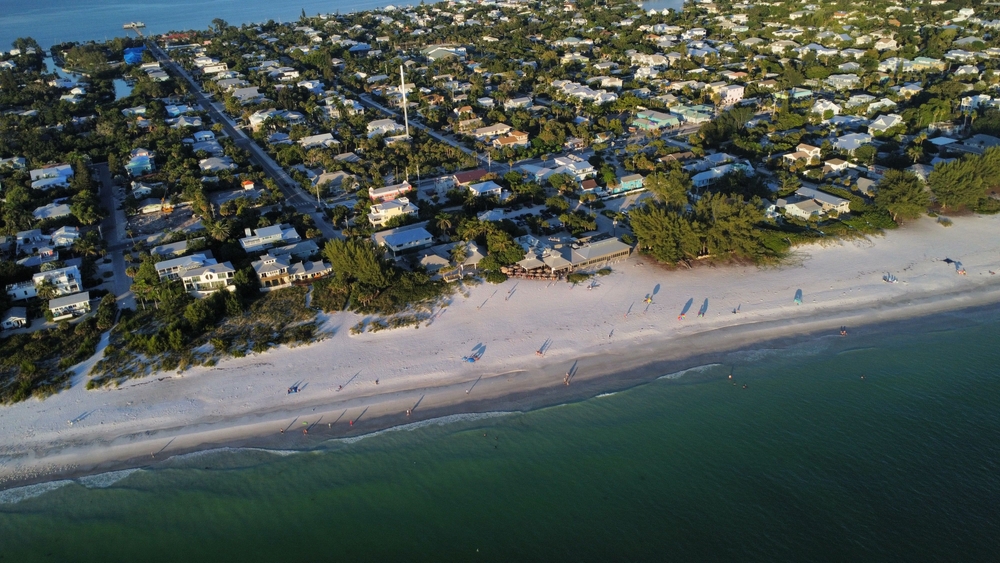
Geographic limitations make the situation worse. Some parts of the island are only two blocks wide, while others are five blocks wide, and the supply of buildable land is fixed. As available parcels are developed, the cost per square foot continues to climb. Tolan explains that this scarcity means supply cannot expand to meet demand, fueling further price increases.
For local workers such as teachers, retail staff, and service employees, this pricing structure makes homeownership unattainable. Local workers cannot compete with buyers purchasing with outside wealth or cash, who are not constrained by local income levels.
Year-Round Population Is Shrinking
The exodus of year-round residents is changing the character of Jersey Shore communities. As more families are priced out, the population has become increasingly transient, with seasonal visitors and short-term rental guests replacing permanent residents.
Tolan reports that local school enrollment is dropping as the year-round population shrinks. “The yearly residents have dropped off so much that our school districts are suffering,” she says. Fewer families can afford to stay, and the number of school-age children has declined as a direct result.
The rise of short-term rentals has made the problem worse. As investors convert long-term rentals to short-term platforms like Airbnb, the supply of affordable housing for permanent residents shrinks further. Many of these properties sit empty during the winter, leaving entire neighborhoods quiet and uninhabited outside the summer season.
“A lot of them are not rented out in the wintertime. You’re losing the population, you’re losing the families. It’s changing the dynamic and feel of the area,” Tolan says. The result is a community that appears prosperous during the summer, with high property values and bustling activity, but feels empty and disconnected to longtime residents who have been forced out. The social fabric — civic organizations, year-round businesses, and community institutions — is eroding as permanent residents disappear.
Navigating a Changing Market
Farley & Ferry Realty serves a wide range of clients across Atlantic County, from first-time buyers to luxury purchasers and investors. Tolan describes the firm’s approach as focused on understanding client needs and matching them to the right property, rather than pressuring buyers to move quickly or accept what is available.
“I like to find out what the person is looking for, what they need, and try to match that up without being pushy — working on their timeframe and according to their needs,” she says.
As affordability challenges deepen, real estate professionals must navigate the tension between serving current market demand — dominated by second-home buyers and investors — and recognizing the broader impact on the community. The outcome of this tension will determine whether the Jersey Shore remains a year-round community or becomes a seasonal destination for outside wealth.
Jersey Shore’s Year-Round Future
The trends shaping the Jersey Shore — rising prices, shrinking local ownership, and a population shift toward seasonal residents — raise important questions about the area’s future. If these patterns continue, the Jersey Shore risks becoming a summer destination rather than a year-round home. For local leaders, businesses, and residents, the challenge will be to preserve the social fabric and make homeownership accessible to those who keep the community running.