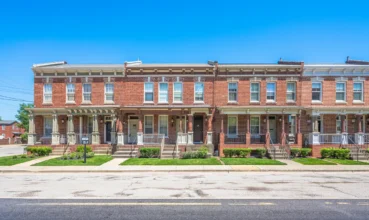
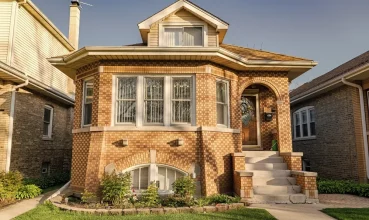
Buying a townhouse in New York City often appears straightforward, but the reality is far more complex. What starts as a search for the perfect home quickly becomes a process filled with legal documents, inspections, and regulatory hurdles. Without careful preparation, buyers can find themselves overwhelmed by unexpected issues that threaten to derail a deal.
Richard Pretsfelder, senior partner at Leslie J. Garfield & Co., has spent 25 years guiding clients through the purchase of townhouses in Manhattan and Brooklyn. His experience reveals the most common pitfalls and the steps buyers need to take to navigate the process successfully.
Step 1: Understand What You’re Actually Buying
Key Players: Buyer, broker, lawyer
Common Mistake: Treating a townhouse like a condo or co-op. Unlike apartments, a townhouse is an entire building, often with a unique history. Some are single-family homes, while others have been divided into rental units or include commercial space on the ground floor. Each comes with its own set of permits, zoning rules, and potential violations that must be reviewed before making an offer.
“Every townhouse is different,” Pretsfelder says. Factors such as building width, natural light, and position on the block can dramatically affect both daily living and resale value. For example, a mid-block townhouse surrounded by low-rise buildings will have more light and privacy than one next to a high-rise, often resulting in a significant price difference.
Before touring homes, buyers should decide on their priorities: single-family or income-producing, number of floors, and preferred neighborhoods. Specific criteria save time and reduce the risk of pursuing unsuitable properties.
Step 2: Tour Properties and Do Your Homework
Key Players: Buyer, broker
Timeline: Ranges from weeks to months
Common Mistake: Focusing on finishes and decor while ignoring critical details. Buyers often fall for a home’s aesthetic appeal without checking fundamentals like light, neighboring buildings, or the certificate of occupancy. Overlooking these can lead to problems later.
Structural and legal red flags are easy to miss during showings. Pretsfelder emphasizes the importance of evaluating the building’s width, light, and surroundings – all of which influence long-term value.
Step 3: Make an Offer and Negotiate
Key Players: Buyer, broker, seller’s broker, lawyer
Timeline: A few days to a week
Common Mistake: Misjudging the market. In slower periods, buyers may offer too little and lose out, while in fast markets, overbidding can lead to regret. Currently, buyers have more leverage than during the recent boom, but sellers still have options.
Offers should reflect the property’s condition, recent comparable sales, and time on market. A listing that has lingered may signal a seller’s willingness to negotiate.
Step 4: Enter the Contract Phase and Start Due Diligence
Key Players: Lawyers, engineers, inspectors
Timeline: Several weeks to a few months
Cost: Inspection and engineering reports typically cost several thousand dollars
Common Mistake: Underestimating the complexity of townhouse ownership. During due diligence, buyers often encounter issues with certificates of occupancy, unresolved permits, or past violations. Pretsfelder notes that legal and structural diligence is critical at this stage.
Lawyers review legal documents while engineers assess the building’s condition. Even well-maintained townhouses can hide problems with the roof, foundation, or mechanical systems. Discovering major issues – such as illegal conversions or structural faults – may allow buyers to renegotiate or withdraw from the deal.
Step 5: Finalize Financing (If Applicable)
Key Players: Buyer, lender
Timeline: Usually a few weeks
Common Mistake: Assuming financing will proceed smoothly. Even buyers with substantial resources sometimes finance part of their purchase. Shifts in interest rates can affect loan terms and overall budget. Buyers should secure financing early in the process to avoid delays or surprises.
Step 6: Close the Deal
Key Players: Buyer, lawyers, seller, lender (if financing)
Timeline: Typically, a few hours for the closing itself
Common Mistake: Overlooking last-minute issues. Undisclosed violations, unresolved permits, or title defects can delay or derail a closing. Staying organized and addressing every detail during the contract phase helps prevent closing-day complications.
Top Myths
Myth 1: Every townhouse is a single-family home.
In reality, many townhouses are multi-unit buildings or have commercial space. Buyers must confirm the legal use and layout before committing.
Myth 2: If the building looks good, it’s fine.
Visual appeal can mask deeper problems. Structural and legal due diligence is essential to uncover hidden issues such as unpermitted work, zoning violations, or deferred maintenance.
Myth 3: You can always renegotiate after inspection.
Sellers in New York’s townhouse market often have backup buyers. Aggressive renegotiation after an inspection can lead to a deal being lost.
The Takeaway
Buying a townhouse in New York City is a detailed process that demands attention to both legal and structural details. While not impossible, the process is filled with potential setbacks that can cost buyers time and money if ignored. The most successful buyers are those who clarify their needs, remain diligent during due diligence, and understand the unique challenges of townhouse ownership.
“Buyers who do their homework and stay engaged through every step are the ones who close,” Pretsfelder says. In today’s market, thorough preparation and clear communication are the keys to a successful purchase.
About the Expert: Richard Pretsfelder is a senior partner at Leslie J. Garfield & Co., specializing in luxury townhouses and small buildings across Manhattan and Brooklyn. With 25 years of experience, he focuses on high-end residential properties, multifamily investments, and institutional real estate.
This article is based on information provided by the expert source cited above. It is intended for general informational purposes only and does not constitute legal, financial, or real estate advice. Readers should conduct their own research and consult qualified professionals before making any real estate or financial decisions.