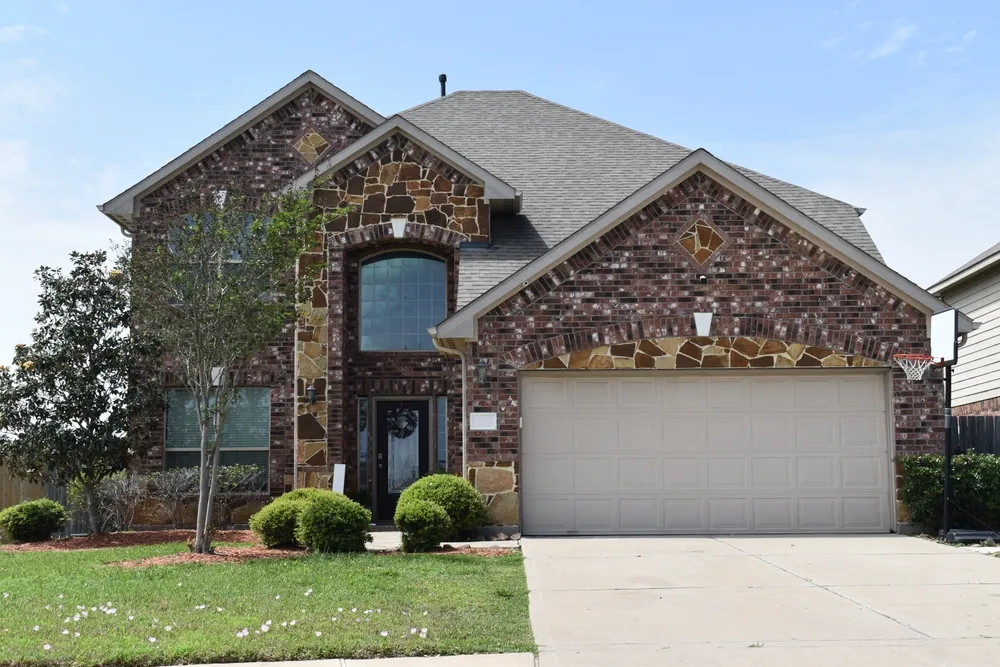
Houston built its residential market on a steady flow of international corporate transfers. The city’s concentration of global energy companies made it one of the most internationally diverse real estate markets in the country, with buyers arriving from abroad on work visas and purchasing homes within months of landing. In 2026, that pipeline has thinned, and the effects extend well beyond the relocation segment, according to Sherry Campbell, Founder & Broker-Owner of Energy Realty.
Campbell runs two offices in the Houston metro and has focused on international relocation for 15 years. Her firm employs 38 agents who collectively speak nine languages. From that vantage point, she is watching a market adjusting on multiple fronts simultaneously.
The Relocation Slowdown Is Real
The narrative that Houston continues to attract a steady flow of corporate relocations is outdated, Campbell says. She works directly with relocation companies, and most people in that sector report a slowdown this year.
The cause, according to Campbell, is uncertainty around immigration policy. Oil and gas companies, which historically drive the largest share of international arrivals, are hesitating to initiate relocations when the status of work visas is unclear. “There’s a cost to get them over here, there’s a cost to get them settled, and then if you have to move them out quickly, it doesn’t make financial sense,” she says.
International arrivals who do come are often choosing to lease rather than buy, waiting until they feel confident their tenure will be long-term. For sellers in neighborhoods that historically absorbed relocation demand, that means fewer qualified buyers at the door.
A Split Market Along Income Lines
Beyond the relocation segment, Houston’s residential market is dividing along affordability lines. Homes priced above a million dollars are moving faster than mid-range inventory. Campbell attributes this to a straightforward economic gap: buyers in the luxury segment often pay cash, fueled by stock market gains and executive bonuses in the energy sector. Middle-class buyers face the compounding pressure of higher interest rates, elevated grocery and gas costs, and wages that haven’t kept pace.
“The middle class is way more cautious right now because of basically the affordability factor,” Campbell says.
Houston historically sees about 30% cash buyers, according to Campbell. In the luxury tier, that share skews higher; executives can deploy bonus income or investment proceeds without depending on mortgage rates.
Sellers are responding with price reductions, and some are offering concessions to help buy down interest rates. But Campbell’s guidance to her agents is direct: buyers need to feel they are getting a deal before they will move off the fence. That perception of value, not concessions buried in closing documents, is what drives action in this market.
New Construction Oversupply
Houston’s new construction market is experiencing oversaturation. Campbell points to pockets in the Heights, Oak Forest, and areas north of I-10 in Spring Branch where builders developed dense communities with minimal lot sizes to offer newer homes inside the city. The result is too much supply competing for a shrinking buyer pool.
“There’s just too many homes being built, too many homes on the market, too many choices for buyers, and not as many buyers out there willing to move this year,” she says.
For resale homes in neighborhoods still under active construction, the competition is particularly difficult. Builders can offer incentives, warranties, and brand-new condition that existing homes cannot match. Campbell compares it to choosing between a used car and a new one; the new option carries peace of mind that resale cannot replicate without a price discount.
For buyers in those overlapping zones, new construction incentives effectively set a ceiling on what resale homes can command. Sellers competing against builders in the same neighborhood face longer days on market and steeper price cuts.
Where Opportunity Exists
For investors, Campbell recommends avoiding mass-production new construction and focusing on established neighborhoods with strong school districts, areas she describes as more insulated from the broader slowdown. Inventory levels are at their highest in roughly a decade, which creates openings for renovation-focused buyers. One of her agents, whose husband is a builder, has had a strong year flipping homes that sat on the market because they needed updating.
“Young buyers still want to buy houses that are fully renovated versus having to do the work themselves,” Campbell says.
Neighborhoods like West University and Memorial, anchored by proximity to the Texas Medical Center and top-rated schools, continue to move at a faster pace, though they also carry luxury-level pricing. Those areas draw primarily local buyers rather than relocation clients, which insulates them from the immigration-driven slowdown affecting other parts of the market.
Deals Falling Apart at Inspection
Campbell is seeing transactions collapse during the inspection period more frequently in 2026, often before buyers even request repairs. She attributes this to inadequate preparation by agents who fail to set expectations about what a resale inspection report will contain.
“I’ve seen buyers terminate without even asking for repairs, just getting scared off by an inspection report,” she says. When buyers walk away without negotiating, the listing resets its days-on-market clock and often re-enters the market at a disadvantage. Campbell frames the problem as a failure of agent guidance rather than a structural market issue: buyers who understand what to expect from an inspection report are far less likely to panic when they receive one.
Looking Ahead
Campbell notes that based on typical three-year market cycles, 2026 should have been the year Houston shifted back toward a seller’s market. That hasn’t materialized. Interest rates are not expected to move much for the remainder of the year, and economic and political uncertainty has extended what she calls a down market beyond its typical duration.
“Based on where we’re at today, I would expect that to happen in 2027,” she says. “But again, we don’t know what our economic or political situation is going to be next year.”
For buyers willing to act in a period of elevated inventory and seller flexibility, the current conditions offer leverage that may not persist once the cycle turns. For sellers, pricing to the current market, rather than to where they believe the market should be, remains the clearest path to a closed transaction.
About the Expert: Sherry Campbell is Founder and Broker-Owner of Energy Realty, focused on international relocation in the Houston metro area for 15 years.
This article is based on information provided by the expert source cited above. It is intended for general informational purposes only and does not constitute legal, financial, or real estate advice. Readers should conduct their own research and consult qualified professionals before making any real estate or financial decisions.