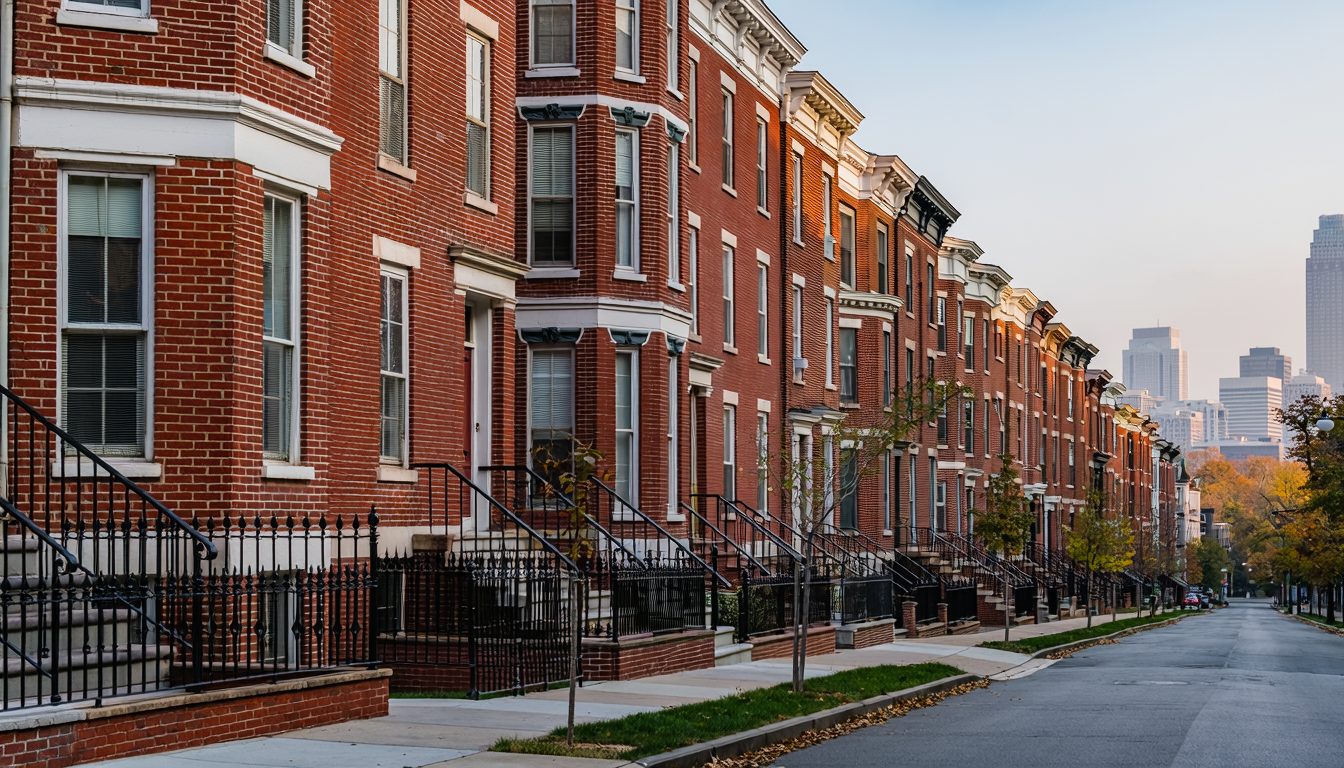
As one of the East Coast’s more affordable major cities, Philadelphia has long drawn buyers and investors priced out of New York, Boston, and Washington, D.C. Brett Rosenthal, lead of Brett Rosenthal & Revolve Philly Group at Compass, recently helped one such client: after finding D.C. and New York unaffordable, he bought a home in Philadelphia at a substantial savings and is now looking to invest locally.
Investors like him, however, are arriving as the city’s rental market shifts. Some landlords are leaving the rental business altogether, listing properties they once held for income – and in many cases returning that housing to owner-occupants.
Rosenthal, who works with first-time buyers, investors, and luxury clients across the city and its suburbs, is seeing the shift firsthand. “I’m running into a lot who don’t want to be landlords anymore,” he says.
Why Landlords Are Leaving
Rosenthal points to a regulatory environment that has favored tenants for some time. When a tenant stops paying or a squatter moves in, removing them has become slow and costly, and some owners no longer want to deal with the trouble.
“It’s been hard for a little while where if something goes wrong, it’s very hard to get tenants out and enforce things,” he says. “Even with properties, if a squatter enters the home, it’s very hard to get them out.”
The pressure grew on November 1, 2026, when the final pieces of the city’s Safe Healthy Homes Act took effect. The law requires landlords to show good cause before ending a tenancy at any lease expiration, broadens anti-retaliation protections, and lets tenants sue over violations. It does not eliminate lawful evictions, but it raises the procedural and financial stakes. Rosenthal stresses that the frustration predates the new rules.
Exiting landlords are generally open to any buyer, he says. Single-family homes are mostly going to people looking for a place to live, while multifamily buildings are drawing investors looking to make money on the property itself.
Sellers Slow to Adjust
On the listing side, Rosenthal says the most common mistake is pricing as if it were still 2021 or 2022, often based on what a friend or relative got for a home a few years ago.
“A lot of them are just overpricing from the start, thinking that we’ll lower it at some point if we have to,” he says. “That kind of doesn’t work.”
Price reductions have become common across city listings, and Rosenthal says sellers are slowly accepting that they need to come down. Asked what he would tell an investor considering Philadelphia, Rosenthal says he would suggest pausing on buy-and-hold rentals under current landlord-tenant conditions. In his view, fix-and-flip projects may make more sense – if the property can be bought at the right price.
City Buyers Gain Leverage
The landlord exits add to a broader rise in supply. According to an October market analysis from Innovative Mortgage Brokers, active listings in Philadelphia County were up about 21% year over year, and city homes sold for an average of 95% of their original asking price.
For first-time buyers in the city, Rosenthal says that has meant fewer bidding wars, room for inspections, and the ability to negotiate repairs afterward. “They’re probably getting a little lower price and also more demands met, but in turn the rates are higher,” he says.
Not every first-time buyer has been able to stay in, he notes. Some have been frozen out, while others have lowered their price range. Those still searching have mostly stuck with the neighborhoods they wanted, and the city’s first-time buyer programs are seeing more use as conditions shift.
Lenders are promoting rate buydowns, some sellers are offering them too, and family help remains common. But the buyer pool has narrowed to people who need to move now; many who were only considering a purchase have put plans on hold.
The suburbs are a different story. City homes spent a median of 26 days on market in October, compared with 10 in Montgomery County and 13 in Delaware County. For first-time buyers weighing the two, Rosenthal says the choice usually comes down to work and family. City jobs and lower property taxes favor row homes, though the city’s 3.75% resident wage tax offsets some of that advantage. Families with children nearing school age lean toward the suburbs.
Looking Toward 2027
Rosenthal is watching parts of the city where Philadelphia is adding large parks, commercial space, and new housing – areas that were not traditionally residential. “They’re not typically the areas where people were living,” he says, “but now there are real reasons why people would want to live there.” He expects some to become more desirable over the next two years, though timing will depend on the pace of development.
More broadly, he calls 2026 a challenging year for the industry and expects continued change from brokerage consolidation, shifting regulations, and agent attrition. “It’s going to be interesting to see what happens with real estate in 2027,” he says.
For buyers and investors watching Philadelphia, the landlord exits are creating a different kind of supply. These properties were held for income rather than built for sale – a distinction that brings both opportunity and complexity for whoever is on the other side of the deal.
About the Expert: Brett Rosenthal is the lead of Brett Rosenthal & Revolve Philly Group with Compass in Philadelphia, where he works with first-time buyers, investors, and luxury clients across the city and its suburbs.
This article is intended for informational purposes only and does not constitute legal, financial, or investment advice. The views and opinions expressed herein reflect those of the individuals quoted and do not represent an endorsement of any company, product, or service mentioned. Readers should conduct their own due diligence and consult qualified professionals before making any investment decisions.