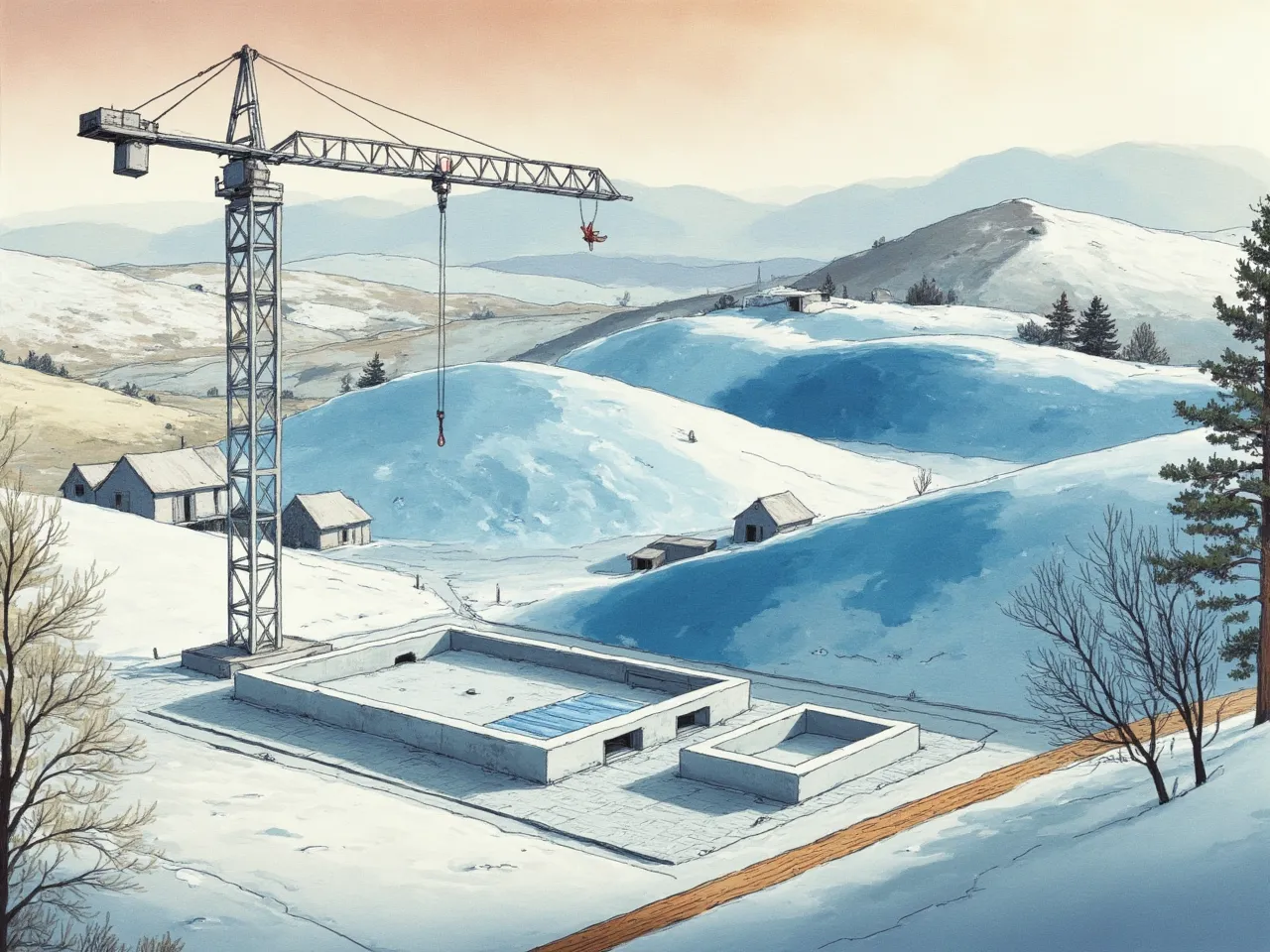
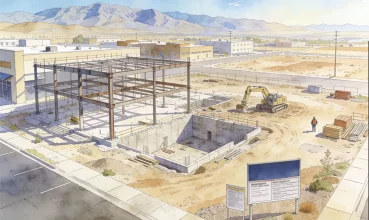
Drive through Greenville, South Carolina, and you’ll see cranes, new storefronts, and neighborhoods that didn’t exist five years ago. But if you want to buy land in the city itself, options are nearly gone. Greenville has run out of developable land, and that scarcity is pushing builders, investors, and homebuyers into surrounding areas at a pace the region hasn’t seen before.
“There’s no land left in Greenville,” says Maggie Steck, Associate Broker with Freedom Commercial LLC, who has tracked the Upstate market for years. “It’s totally sold out.”
With Greenville’s core built out, buyers are heading north into Spartanburg County and west toward smaller towns like Greenwood — areas that, until recently, were considered too industrial or too remote. Now, these places have become the new focus for growth in Upstate South Carolina.
Where the Action Moved
The surge in demand has rapidly changed the landscape in Spartanburg and Greenwood. Spartanburg, once known mainly for its manufacturing base, is now one of the fastest-growing areas in the Upstate. Traffic has increased, former farmland is turning into subdivisions, and brokers who invested early in the area are seeing their foresight rewarded.
Greenwood, located about 90 minutes west of Greenville, has emerged as a prime destination for land deals. A recent listing of an 86-acre tract drew immediate interest from national builders and local developers looking for large parcels — something nearly impossible to find in Greenville. Greenwood’s mayor is now actively meeting with investors to discuss a proposed 40-acre development that could create a new residential neighborhood from raw land.
“People are moving here in droves from New York and the Northeast,” says Stecker. “The land doesn’t grow, but the demand does.”
Why Greenville Ran Out of Room
Greenville’s rise from a small Southern city to a national destination has been rapid and sustained. Downtown Greenville now hosts weekly street festivals in spring, summer, and fall, drawing crowds with food trucks, live music, and pedestrian-only events. The city’s restaurant scene attracts visitors from across the region, and the annual Artisphere festival brings national attention. The Reedy River Falls and its walkable downtown have become central attractions.
As a result, hotel rooms filled up, new residents arrived in steady waves, and builders kept acquiring available land until it simply ran out. Today, the city’s core is fully developed, and land prices have climbed beyond what many builders and buyers are willing to pay. This has led builders and developers to look to neighboring counties, where land is still available, and prices remain below Greenville’s peak levels — at least for now.
What’s Driving the Upstate Boom
The growth in Upstate South Carolina isn’t just about Greenville’s popularity. The region’s location is a major draw: it’s about an hour from Asheville, North Carolina, and far enough inland to avoid the hurricane risks and rising insurance costs that plague coastal areas. This makes the Upstate especially appealing to buyers leaving Florida, where foreclosures are on the rise in cities like Orlando and Lakeland, and where million-dollar homes are increasingly hard to sell.
Remote work has further expanded the pool of potential buyers. With fewer people tied to daily commutes, more are willing to consider homes farther from Greenville’s center in exchange for more space and lower prices. Spartanburg and Greenwood offer both, and the shift is visible in rising transaction volumes and new development starts.
Builders have responded by moving quickly into the region. National companies have launched Upstate divisions, while local developers are acquiring large tracts, often holding them for years, waiting for the right time to build or sell. Some parcels change hands multiple times before development begins, as investors anticipate future demand.
What This Means for Buyers and Investors
For anyone hoping to buy land in the Upstate, Greenville is no longer the place to look. The most active deals are now happening in Spartanburg and Greenwood, but prices in these areas are also beginning to rise, driven by increased demand and national attention.
Investors looking for the next opportunity need to act early and be patient. One recent example: Steck sold a 158-acre tract four years ago to a builder who held it for two years before reselling it to another developer. That deal is only now closing — four years after the initial contract. In this market, timing and patience are critical.
For individual buyers hoping to build a home or move into a new neighborhood, the Upstate still offers options, but the definition of “prime” location is changing. The next wave of desirable communities is already under development, a few exits north or west of Greenville, where land is available, and builders are ready to meet growing demand.
What’s Next for Upstate South Carolina
The rapid build-out of Greenville and the spillover into Spartanburg and Greenwood have set a new direction for Upstate real estate. As available land in Greenville disappears, surrounding counties are absorbing the growth, and prices are rising accordingly. Buyers and investors who recognize this pattern early stand to benefit most, but the window of opportunity is narrowing as more people look beyond traditional markets.
About the Expert: Maggie Steck is a broker with Freedom Commercial LLC, specializing in land sales across the Upstate South Carolina market, including Spartanburg and Greenwood. She works with national builders, local developers, and private sellers to identify and close land deals in one of the Southeast’s fastest-growing regions.
This article is based on information and perspectives provided by the source. It is intended for general informational purposes only and does not constitute legal, financial, or investment advice. Readers should conduct their own research and consult qualified professionals before making any decisions.
This article was sourced from a live expert interview.
Every month we conduct hundreds of interviews with active market practitioners - thousands to date.
“If you can flip a house, you can be the developer in your town,” says Kristi Kandel, host and founder of the Local Real Estate Developers Podcast. With a career spanning from sm...
Northern Nevada’s development market has nearly stopped, with commercial building permits down 80 percent, according to Ted Stoever, Executive Vice President at Colliers. Stoever attribute...
The hotel transaction market has endured one of the most dramatic interest rate increases in recent memory. Still, industry veterans now see signs of stabilization as buyers and sellers adju...
The Naples real estate market is facing a sharp adjustment as post-pandemic trends subside and traditional seasonal cycles reassert themselves. A widening gap between buyer and seller expect...
The Sarasota real estate market has shifted sharply since 2024, as recent hurricanes, rising insurance costs, and changing buyer priorities have upended the dynamics across barrier islands a...
The real estate investment sector faces challenges and processes distinct from traditional residential sales, creating a specialized niche that few transaction coordinators can manage. Andre...