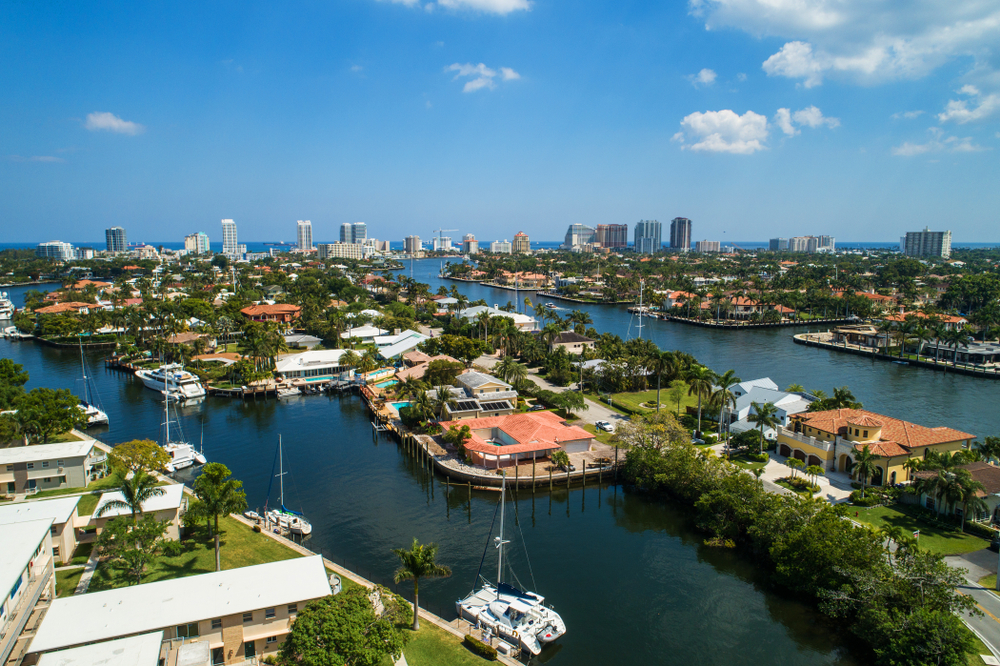
Scroll through Fort Lauderdale’s property listings and a stark contrast emerges: waterfront estates priced at $20 million are selling briskly, while mid-tier homes linger on the market for months. Even as much of Florida’s housing market slows, the city’s ultra-luxury segment is accelerating, drawing a distinct group of high-net-worth buyers and reshaping local real estate dynamics.
Jerry Lechter, a sales associate at Stellar Communities Realty specializing in round-up luxury construction, has tracked this change closely. After years spent flipping distressed properties post-2008, he shifted his focus to developing ultra-luxury single-family homes in Fort Lauderdale’s most exclusive neighborhoods. His recent projects — sprawling 8,000-square-foot waterfront estates with top-tier finishes — are selling to buyers who already own multiple homes around the world.
“These are people who travel the world and only use the house two or three weeks a year,” Lechter says. “They know what they want, and they’re picky. Our homes are specifically for picky buyers.”
Unlike the broader Florida market, which is dealing with rising inventory and softening prices, Fort Lauderdale’s high end is moving in the opposite direction. The surge is fueled by wealthy buyers relocating from out of state, limited supply of new luxury homes, and a buyer pool that is largely immune to mortgage rate hikes.
Who’s Buying — and Why
The typical ultra-luxury buyer in Fort Lauderdale is not a local resident. Most come from California, New York, or Boston — markets where $20 million buys much less space and far fewer amenities. Lechter points out that, compared to places like Bel Air or Beverly Hills, Fort Lauderdale offers significantly more value for the price.
These buyers are not purchasing their first or even second homes. They are tech entrepreneurs, crypto investors, and established high-net-worth individuals expanding their property portfolios. Most pay cash, so fluctuations in interest rates have little impact on their decisions. Instead, their purchasing activity is linked to the performance of their investment portfolios. If stock markets are rising, they buy; if not, deals can stall.
The New Appeal of Fort Lauderdale
Fort Lauderdale’s reputation is changing rapidly. Once associated with spring break crowds, the city is now drawing both domestic and international buyers, including interest from Latin America, Europe, and Russia. The attraction is partly geographic: buyers get waterfront living and walkable neighborhoods near Las Olas Boulevard, with less density than Miami or Palm Beach.
“It’s still undervalued,” Lechter says, noting that buyers are drawn by Florida’s lack of state income tax, favorable weather, and a more relaxed atmosphere. The city’s skyline is evolving to reflect this new demand, with high-rises rising in the Victoria Park corridor and downtown welcoming new law firms, tech companies, and independent businesses.
Supply constraints are shaping the market as well. There are few new, ultra-luxury single-family homes available in sought-after areas like Las Olas Isles and Harbor Beach. This limited inventory is pushing prices higher even as much of Florida’s market cools.
Mid-Market Faces a Slowdown
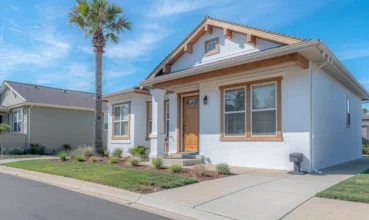
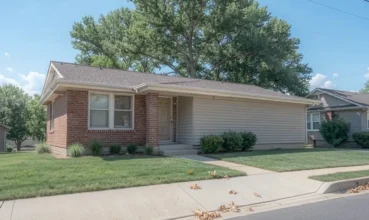
While the ultra-luxury sector continues to appreciate, Fort Lauderdale’s mid-market and entry-level segments are under pressure. Lechter expects prices in these tiers to fall 10 to 15 percent over the next year due to excess inventory and affordability issues.
“Florida used to be a cheap place to live until 2020,” Lechter says. “Now everything has bumped up 50 to 60 percent.” This surge has squeezed first-time buyers and retirees, who are also struggling with rising insurance premiums, HOA fees, and overall cost of living.
Insurance costs are becoming a significant barrier. Premiums have increased sharply, and denials of coverage are more common. For both builders and buyers, this adds thousands of dollars in annual expenses and could further slow the market if the trend continues.
For Buyers and Sellers
In the ultra-luxury segment, buyers should expect strong competition for well-priced properties. Homes that meet the expectations of this selective group tend to sell quickly, and sellers are rarely flexible on price. “Buyers do their homework,” Lechter says. “You have to offer a value proposition.”
Mid-market sellers face a different environment. With more listings available, buyers are choosier, and overpriced homes are likely to sit unsold. Lechter observes that many sellers are holding out for pre-correction prices, but with inventory growing, this approach may result in longer wait times and eventual price reductions.
For mid-market buyers, the predicted price correction may present opportunities. If prices drop 10 to 15 percent and interest rates move closer to 5 percent — a level that makes financing more comfortable — more buyers could re-enter the market.
Looking Ahead
Fort Lauderdale’s real estate market is splitting along clear lines. At the top, ultra-wealthy buyers are driving prices higher in neighborhoods with limited new supply. Below that, the market is cooling, with inventory building and prices likely to come down.
“The ultra-luxury is going to keep going up,” Lechter predicts. “But the mid-market? That’s going to see a little correction.”
For anyone considering a move, the key is to understand which segment you’re in and how local dynamics are changing. The forces driving Fort Lauderdale’s ultra-luxury boom are not lifting all boats — buyers and sellers need to align their expectations with the realities of their market tier.
About the Expert: Jerry Lechter is a sales associate at Stellar Communities Realty LLC in Fort Lauderdale, specializing in ultra-luxury single-family home development in neighborhoods such as Las Olas Isles and Harbor Beach.
This article is based on information provided by the expert source cited above. It is intended for general informational purposes only and does not constitute legal, financial, or real estate advice. Readers should conduct their own research and consult qualified professionals before making any real estate or financial decisions.