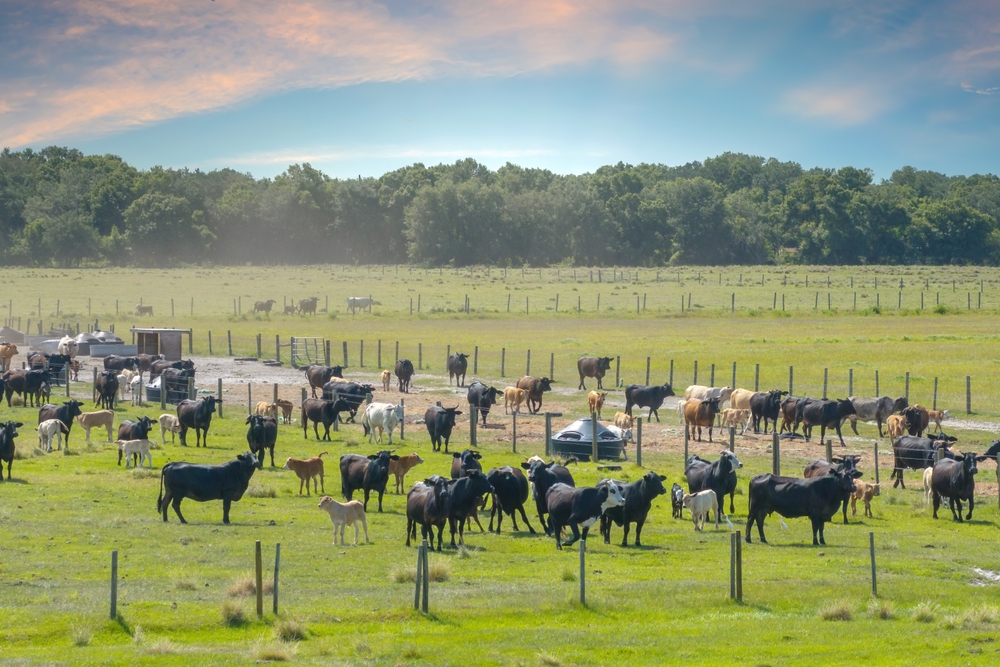
Most buyers focus on price per acre when shopping for Colorado ranch land. It’s the figure highlighted in listings, negotiations, and headlines. But according to Matt LaFontaine, acquisitions manager for the Colorado State Land Board, this single metric leaves out the factor that matters most for long-term value: water rights.
After years of evaluating ranches statewide, LaFontaine has found that water rights — legal claims to use water from specific sources — determine whether a ranch can support productive use and retain value as conditions change. “Having those resources that are integral to a ranch’s operation can be very beneficial,” he says.
As Colorado’s population grows and water becomes scarcer, understanding water rights is essential for anyone considering a ranch purchase. Here’s why water is the key variable — and how to evaluate it before making an offer.
Price Per Acre Isn’t the Whole Story
Price per acre offers a quick way to compare properties. In Western Colorado, where ranch land values have climbed sharply in recent years, buyers rely on this number to judge whether a listing is competitive. But price per acre only tells part of the story.
LaFontaine cautions that value comes from multiple attributes working together. “It’s not just about a single property or location,” he explains. “It’s a confluence of attributes.” Chief among them: reliable, documented water rights.
Water Rights: The Main Driver of Value
In Colorado, water rights are legally distinct from land ownership. Having land does not guarantee access to water for irrigation, livestock, or other uses. Water rights specify how much water a property can use, from which source, and for what purpose. This distinction is critical because a ranch without reliable water access may have little practical or economic utility.
Several factors make water rights increasingly important for ranch buyers:
- Water scarcity is rising. Colorado’s population continues to grow, but the available water supply remains fixed — and may diminish due to drought and climate pressures. Ranches with secure, senior water rights become more valuable as these assets grow rarer.
- Water supports multiple uses. A ranch with strong water rights can sustain agriculture, support livestock, enable recreational activities such as fishing and hunting, and even create opportunities for future residential or commercial development. Without water, options are limited, and income potential drops.
- Water infrastructure adds resilience. Properties with existing irrigation systems, ponds, or flowing creeks are better equipped to generate revenue and adapt to changing needs over decades.
What Water Rights Look Like in Practice
Last October, the Colorado State Land Board acquired Lake Fork Ranch, an 800-acre property west of Leadville. The ranch came with a portfolio of water rights and over a mile of Lake Fork Creek frontage. This water access allows the property to support fishing leases, agriculture, and potential recreational uses such as camping or event hosting.
A similar ranch without water rights would be far more limited — restricted to basic grazing or private use, with little capacity to generate consistent revenue or adapt to new uses over time. LaFontaine’s team evaluates every acquisition by examining water rights, infrastructure, and regulatory context. “We look at water, infrastructure, and the regulatory environment,” he says. “It takes time for all of these things to come together and add that value.”
For Buyers and Sellers
For Buyers:
- Ask about water rights early. Before touring, request clear documentation of any water rights attached to the property. Find out the type, legal status, and any existing restrictions or disputes.
- Verify the source and reliability. Not all water rights are equal. Creek rights may dry up in drought years, while well rights depend on the health of the underlying aquifers. Assess the stability and history of the water source before making an offer.
- Adjust your valuation. Properties with strong, documented water rights may command higher prices per acre, but they also offer greater long-term stability and flexibility. Factor this into your offer and be prepared to pay a premium for proven water security.
For Sellers:
- Highlight water rights in your listing. Make details about flow rates, sources, and infrastructure — such as irrigation ditches or ponds — prominent in marketing materials. These assets are often what set a property apart.
- Obtain a professional water rights appraisal. If your property includes significant water assets, a formal appraisal can clarify value for buyers and support a stronger asking price.
- Consider timing your sale. Water rights become even more valuable during drought years or as nearby properties are developed. If market conditions are favorable, waiting to list could yield a better outcome.
The Long-Term Perspective
Price per acre shows what a ranch costs today. Water rights determine what it will be worth in the future. In Colorado, where water supplies are tightening and the impact of climate change is increasingly felt, ranches with reliable water assets are best positioned to hold their value and adapt over decades.
LaFontaine describes ranches with strong water rights as “an intergenerational investment.” The State Land Board considers properties with long-term horizons, recognizing that the combination of land and water sustains value through market cycles and environmental shifts.
If you’re considering buying or selling ranch land in Colorado, don’t stop at price per acre. Dig into the details of water rights, infrastructure, and long-term viability. That’s where the real value — and future security — reside.
This article is intended for informational purposes only and does not constitute legal, financial, or investment advice. The views and opinions expressed herein reflect those of the individuals quoted and do not represent an endorsement of any company, product, or service mentioned. Readers should conduct their own due diligence and consult qualified professionals before making any investment decisions.