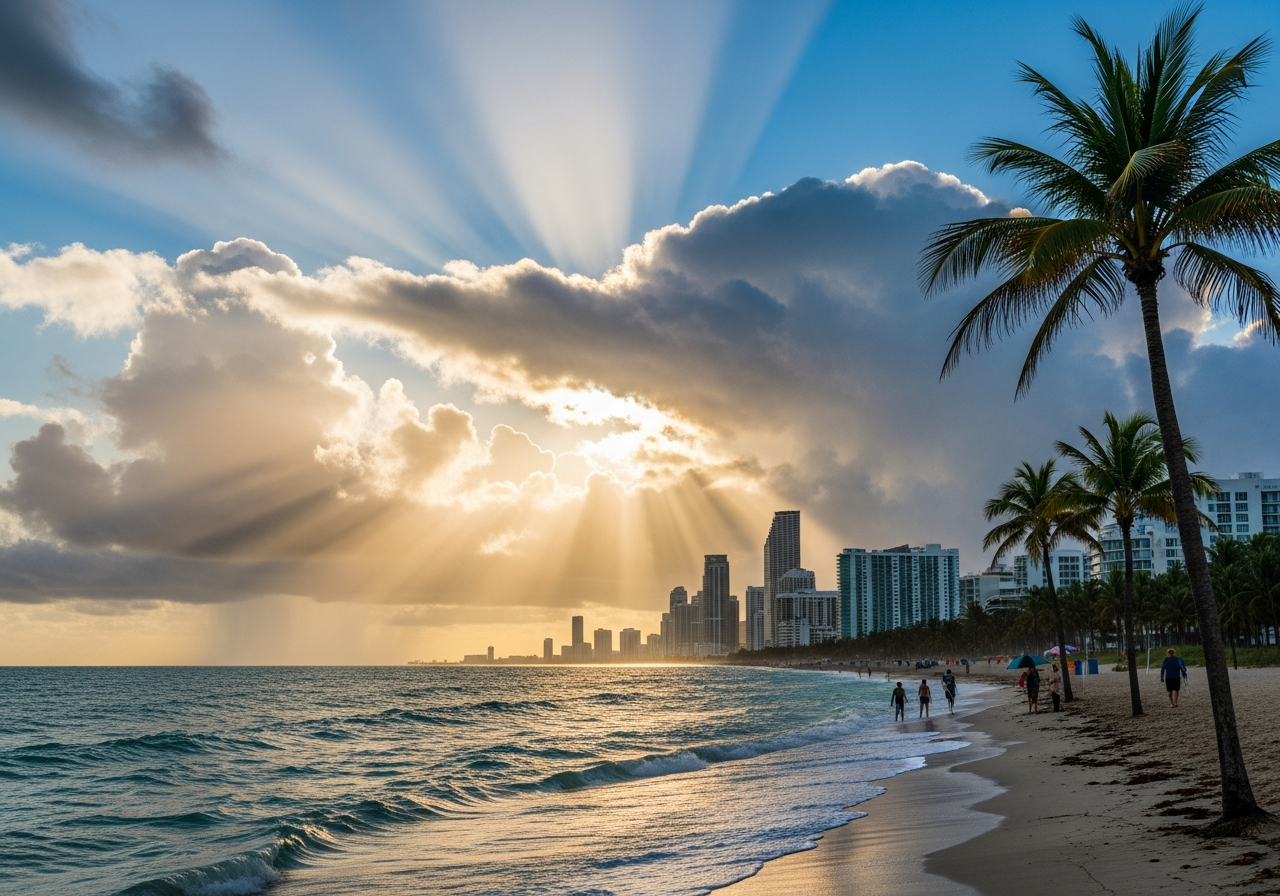
New homes are rising along Florida’s Gulf Coast and island chain, while cranes still hover over stretches of damaged shoreline. From Fort Myers to the Florida Keys, the landscape tells the story of a market that was at its peak just before Hurricane Ian – and found itself rebuilding almost overnight.
Three longtime real estate professionals – Fort Myers agent Billee Silva, Sarasota realtor Joey Lamielle, and Florida Keys broker Margie Casey – have seen the region move from a pandemic-era frenzy to a slow, steady post-storm recovery. Their insights show that rebounding isn’t just about replacing roofs and repairing seawalls. It’s about shifting expectations, strengthening construction, and rebuilding confidence.
From Frenzy to a New Reality
Hurricane Ian made landfall in late September 2022, just as Southwest Florida hit the height of a pandemic-fueled boom. Buyers were lining up, homes were selling within hours, and bidding wars pushed prices to record highs. “Homes were flying off the market,” Silva recalls. “Then the hurricane stopped that cold.”
The immediate aftermath brought a curious whiplash. Investors swooped in early, betting on long-term value near the water. Some island properties that were damaged sold for sky-high sums to buyers eager to rebuild. But as the region shifted from emergency response to long-term recovery, the frenzy faded. Sellers, still anchored to those 2022 numbers, struggled to adjust to a market in which bidding wars have disappeared, appraisal gaps are rare, buyers expect concessions, and aggressive pricing mostly leads to stale listings instead of quick wins.
Now, more than two years into rebuilding, the balance of power has clearly shifted toward buyers. “You adapt,” Lamielle says. “We’re correcting, not crashing.” With more listings to choose from and fewer people willing to overpay, buyers are taking their time – touring multiple homes, negotiating repairs, and insisting on clean inspection reports. Instead of selling in a weekend, properties linger, and many require one or more price adjustments before finding the right match.
In Fort Myers, the median home price has held around $355,000 year over year, but the number of closed sales has dropped as financing becomes more selective and buyers weigh insurance costs more carefully. The speed may be gone for now, but a healthier, more deliberate market is starting to take its place.
The upshot is a market relearning patience. Rebuilding takes time – and so does resetting expectations. This phase isn’t about recapturing the peak. It’s about finding stability after both a natural disaster and an emotional one.
Rebuilding Structures – and Confidence
Florida’s coast is no longer in crisis mode. Across Fort Myers Beach, cranes are back to a steady rhythm, and new waterfront projects signal a return of both tourism and investor confidence. Streets that once held piles of debris now show fresh driveways, rebuilt docks, and elevated foundations that reflect new building priorities.
Silva says the renewal is uneven: damaged properties still remind visitors and buyers of how far there is to go. That contrast – construction next to vacancies – defines this stage of recovery. It’s progress, but it’s not finished.
In the Florida Keys, Casey has already lived through the playbook Fort Myers is now starting. After Hurricane Irma in 2017, the Keys rebuilt with elevation requirements, metal roofs, and impact glass as standard features. That shift meant that by the time Ian arrived on the mainland, the Keys had a head start on resilient design – and a market that already understood why it mattered.
“We encourage clients to be above flood lines and to factor insurance into the budget from the start,” Casey says. Her experience suggests that the Gulf Coast’s strongest performers in the coming years will be the homes that visibly address risk. Lamielle calls this mindset “storm psychology” and says it’s quickly becoming standard in Sarasota as well. Homes that demonstrate resilience generate faster interest. Homes without those features often lose buyers before they step inside.
The houses are coming back, and with each concrete pour and roof replacement, confidence returns with them. Physical rebuilding restores the coastline. Resilient design restores trust that choosing Florida’s west coast is still a smart move.
Resetting Seller Expectations
The emotional residue of the boom years lingers. Many homeowners in Fort Myers still picture the line of cars that once snaked around the block for open houses and assume that surge is just one price tag away from returning. Silva says the toughest part of her job right now is convincing sellers that today’s buyers are behaving differently. “Overpricing only benefits your competition,” she says. A home priced for last year’s market can spend months on the MLS before the first showing, making eventual buyers wonder what might be wrong with it.
Lamielle sees the same psychology further north. “Almost every appointment starts with, ‘I know it’s not the best time to sell,’” he says, usually followed by a price that assumes 2022 conditions are just around the corner. His listing presentations now lean heavily on absorption rates and longer Days on Market, not quick-sale anecdotes. Pricing too high doesn’t just delay a sale – it can reduce the final closing price once price cuts become inevitable.
For a recovering market, getting pricing right is more than a tactical choice. When sellers anchor to pandemic peaks, listings pile up, confidence slips, and the path to stability lengthens. When prices reflect current demand, buyers move forward faster, appraisals align, and deals close without drama. The comeback isn’t just about rebuilding homes – it depends on rebuilding realism.
Insurance: The New Gatekeeper
Even when buyers and sellers agree on price, the deal still has to pass the insurance test, and that’s where many Gulf Coast transactions now rise or fall. Insurance has become just as influential as interest rates in determining whether a sale can move forward.
In Lee County, Silva says rising HOA fees and property insurance premiums are weighing heavily on condos, particularly buildings with older roofs, outdated electrical systems, or previous storm damage that makes underwriters nervous. In Sarasota, Lamielle has watched condo values fall 20 to 25 percent in complexes facing expensive milestone inspections and sharply higher reserve requirements – rules tightened statewide after the deadly Surfside condominium collapse near Miami in 2021 exposed serious structural risks in older coastal buildings.
Casey sees similar headwinds in the Keys, where elevation, roofing, and window quality now determine not just premium costs, but whether a buyer can get coverage at all. “Homes with metal roofs, impact glass, and elevation fare better on insurability,” she says. “But every buyer should budget for premiums from the start.” A newer home with all the right protections might secure flood insurance for a manageable amount. Coverage for a ground-level home built decades ago might go into five figures.
Homes built to resilient standards retain value, close faster, and avoid stressful late-stage surprises. Others require deeper negotiation, extended timelines, or major upgrades to satisfy insurers.
How Buyers Are Evolving
Buyers on Florida’s Gulf Coast aren’t disappearing, but they are becoming more strategic. Silva sees a shift away from urgency and toward analysis. People moving from high-tax states still want the Florida lifestyle, but they’re digging deeper into flood maps, roof ages, and insurance histories before submitting an offer. “They’re touring more homes, asking more questions, and evaluating long-term affordability in a way they didn’t in 2021,” says Silva.
Lamielle notes that the share of cash buyers remains high – roughly two-thirds of Sarasota’s condo and townhome transactions – but that doesn’t mean financing is irrelevant. Cash buyers now ask lenders for quick insurance quotes or reserve financing options to avoid tying up more liquidity than necessary. They’re not just buying with cash; they’re buying with caution.
Casey adds that interest rates still shape decisions indirectly. “Once rates dip below six percent, activity picks up fast,” she says, because sellers are more willing to list when they don’t feel locked into a 3 percent mortgage. For now, many would-be sellers are sitting tight, creating what she calls a “shadow inventory” that may hit the market all at once when borrowing costs ease.
The result is a quieter but more rational marketplace. Buyers aren’t chasing the next bid – they’re planning for the next decade. Where the pandemic rewarded speed, the recovery rewards foresight.
Local Knowledge as a Resilience Tool
As coastal housing becomes more complex to insure, finance, and rebuild, local knowledge has become a survival skill. Buyers want confidence that a home is safe – not just beautiful – and they depend on agents who know what risk looks like in real time. Silva uses her boating background to help newcomers navigate Cape Coral’s 400 miles of canals, where a difference of two feet in water depth can determine whether a property supports a docked boat or a stranded one. Lamielle relies on a regional network that can redirect a buyer from a storm-exposed area to a stronger one without losing momentum.
Casey sees lifestyle still driving demand in the Keys, but only when supported by resilience. Flow-through canals that refresh with every tide, or deeper water near the Marathon Humps offshore, offer both joy and long-term durability. These features keep buyers energized even when headlines and premiums cause hesitation. In a recovering market, agents aren’t just selling a house. They’re selling a plan for living with the next storm.
Weathering What Comes Next
Silva sees progress not just in new construction, but in renewed commitment. “I haven’t found any place I love more,” she says. “I’m passionate about helping people find their home here.” Lamielle stresses that staying power matters more than timing the market. “If your horizon is three to five years, you’ll be fine,” he says. “Florida’s west coast remains a strong market.” Casey takes the long view shaped by multiple storms. “The Keys aren’t changing – they’re evolving,” she says. “With every storm, we build better.”
From Sarasota to Duck Key, recovery is neither quick nor linear. It requires homes that can withstand wind and water, pricing that reflects today rather than yesterday, and buyers who think in decades instead of weekends. Florida isn’t simply rebuilding from Hurricane Ian. It is learning – structurally, financially, and emotionally – how to live with the coast it loves and weather whatever comes next.
This article was sourced from a live expert interview.
Every month we conduct hundreds of interviews with active market practitioners - thousands to date.
Las Vegas is experiencing a significant influx of California businesses driven by Nevada’s favorable tax environment, according to Jennifer Lehr, Senior Associate at Colliers Internati...
Short-term rentals are transforming from community concern to economic catalyst, according to Guesty CFO Gil Vassoly, who argues the sector creates ripple effects of prosperity throughout lo...
Rhode Island’s housing market has hit a critical affordability threshold, sharply narrowing the pool of potential homeowners. With the statewide median approaching $500,000 and projections...
The Midwest multifamily market has undergone a dramatic transformation over three decades, evolving from a fragmented, locally-owned market to one that now attracts sophisticated institution...
The rental market has long operated with a fundamental data problem. Property managers, investors, and researchers have struggled with incomplete, inaccurate, or outdated information about r...