After eight years of a seller’s market, many Dallas-Fort Worth homeowners deferred maintenance and assumed they could negotiate repairs during due diligence. That assumption no longer holds. According to Crystal Solensky, Owner/Agent of Luxury Home Team at Keller Williams Realty Dallas Preston Road, property condition – not price – is now the most common reason deals fall apart in the metroplex.
Solensky, who has been licensed since 2004 and has worked the DFW market since 2010, says buyers are walking through homes, mentally tallying every repair they will need to make and reducing their offer price accordingly. When the repair list grows too long during inspections, buyers walk away entirely, because alternatives now exist that did not before.
“It’s a total beauty contest,” she says. “They want to walk in, they want to see the houses that are in the best condition, and they don’t want to have to take on a bunch of repairs.”
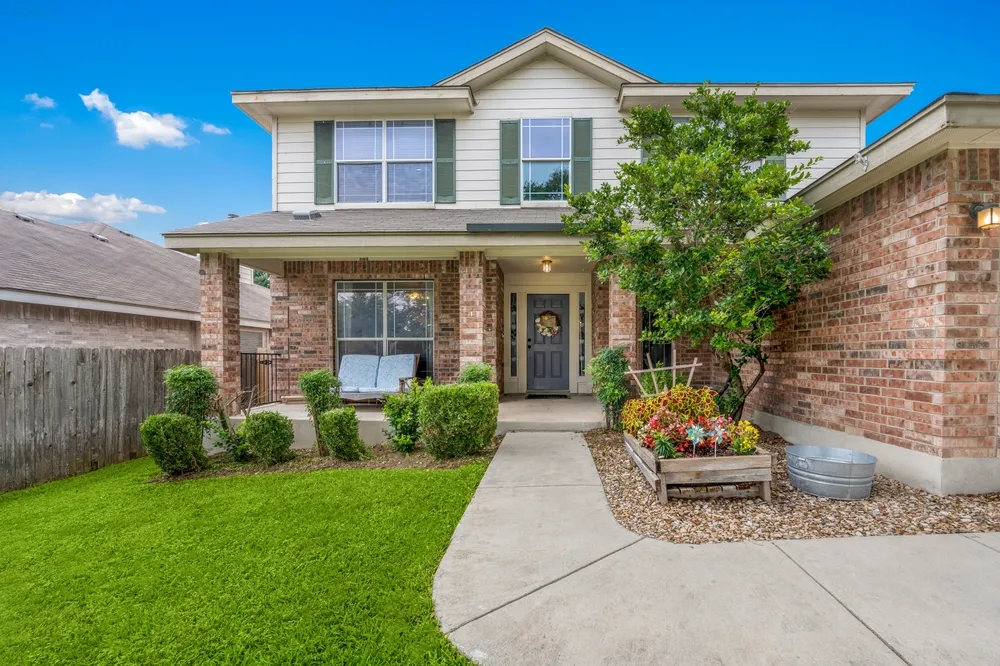
Her team advises sellers to invest in preparation before listing: touch-up paint, flooring repairs, landscaping, and pre-inspections addressing foundation, roof, and electrical systems. “Be slow to prep, fast to sell,” Solensky counsels. The goal is to reach contract price without renegotiation, a pattern she says is driving a high fallout rate in current transactions.
Buyers Have More Room to Walk
Part of what’s changed is leverage. New construction across North Texas has become aggressively priced, builders are offering $30,000 to $50,000 in design center incentives, interest rates below 5% through in-house lenders, and up to $20,000 toward closing costs to move inventory. That gives buyers a real alternative to a resale home that needs work, and less patience for taking one on. Mortgage rates above 6.5%, rising property taxes, and higher insurance costs have also pushed buyers’ monthly obligations higher, leaving less tolerance for deferred repairs and less willingness to stretch on price.
A subtler shift is changing how buyers determine what a home is worth. Texas is a nondisclosure state; sold prices are not public record. Consumers on platforms like Zillow cannot see what a neighbor’s home actually closed for. Instead, they are looking at current active listings to benchmark value.
“Sold is old,” Solensky says. “What a house was worth in June is not necessarily what a house is worth in August or September.” This creates friction with sellers who anchor to past comparable sales. According to Solensky, approximately 35% of non-luxury listings and 25% of luxury listings are seeing price reductions. Roughly 80% of offers her team receives include requests for seller-paid closing costs, a concession rate she says is the highest in about a decade.
An Opening for Investors
One notable policy shift: builders who previously required owner-occupancy are now selling to investors. Solensky reports that certain cities on the metroplex’s periphery offer new construction homes under $250,000 that can rent for approximately $1,800 per month, with the advantage of no deferred maintenance and immediate tenant occupancy.
For investors targeting older housing stock, she recommends renovation plays in strong locations, defined by proximity to the city or good school districts. The traditional 1% rule (monthly rent equaling 1% of purchase price) is largely unachievable in the current environment due to elevated property taxes and insurance costs. Solensky says her team directs investors toward either sub-$250,000 new construction or older homes in desirable locations where renovations can justify higher rental rates.
What’s Ahead
Solensky sees the market’s near-term trajectory as dependent on two factors: how builders price new inventory going forward, since that sets the reference point for resale values, and whether interest rates move. On the latter, she is skeptical. “A lot of people thought there were going to be all these reductions in the interest rates and that really hasn’t happened,” she says.
Her advice to buyers and sellers navigating this environment: “The right time to buy or sell is when it’s the right time for an individual based on their particular circumstances. You cannot time the market. You just have to get in and make the best possible negotiation when you have the need.”
For sellers, the message is direct: condition, not just price, now determines whether a home sells or sits. Buyers have leverage, alternatives, and less tolerance for surprises during inspection, and they’re using all three.
About the Expert: Crystal Solensky is the Owner and Agent of Luxury Home Team at Keller Williams Realty Dallas Preston Road, licensed since 2004 and working the Dallas-Fort Worth market since 2010.
This article is based on information provided by the expert source cited above. It is intended for general informational purposes only and does not constitute legal, financial, or real estate advice. Readers should conduct their own research and consult qualified professionals before making any real estate or financial decisions.