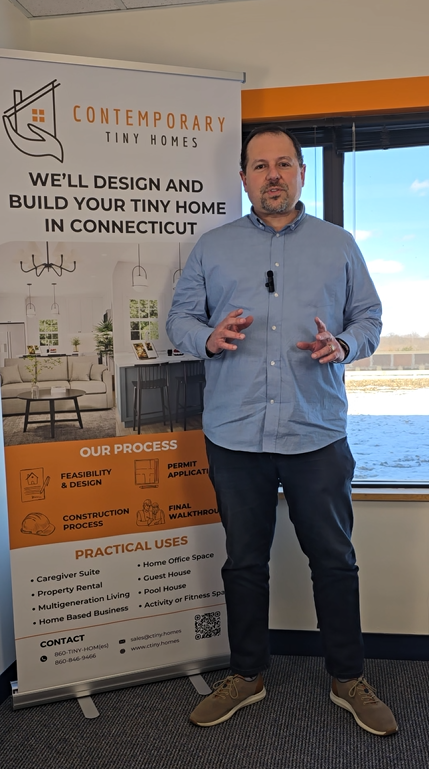
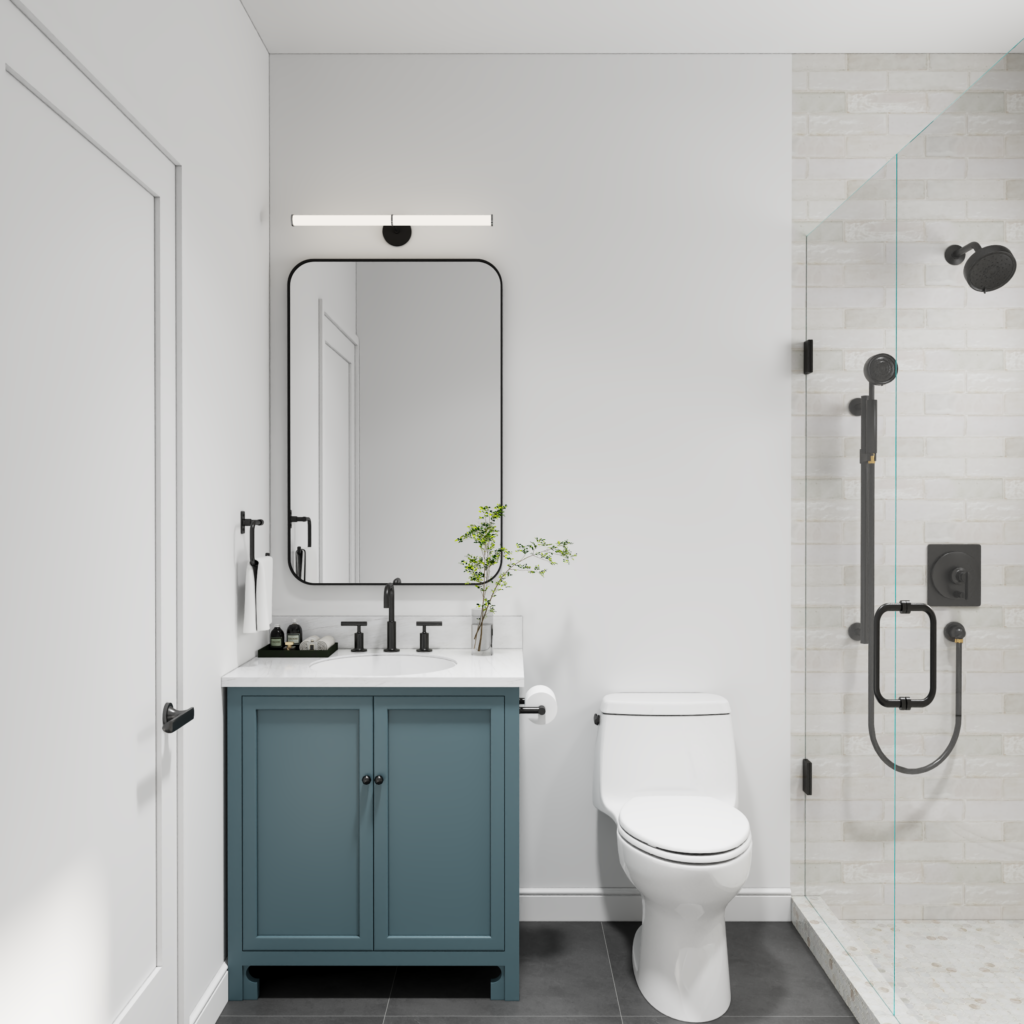
In a market where housing affordability remains a pressing concern, Contemporary Tiny Homes is bringing Accessory Dwelling Units (ADUs) to Connecticut and the broader East Coast region. Founded six months ago by Breno Neri, the company is addressing housing needs by offering custom-built small footprint homes designed specifically for the Northeast’s climate and residential preferences.
Neri, who previously built and sold a broadband internet company in Brazil before completing his PhD in Economics at NYU, has spent the last two decades working for large corporations while developing new products and services. “I felt the urge to go back to my roots and build something for myself,” says Neri. After extensive research, he became interested in the concept of ADUs.
While ADUs have gained significant traction in states like California, which issues approximately 40,000 permits annually, the market remains emerging in the Northeast. However, Connecticut’s Public Act 21-29 from 2021 has created a regulatory framework that enables municipalities to adopt statewide guidelines for ADUs or develop their own local zoning regulations.
“Most towns actually make it quite easy,” Neri explains. “Some towns have expedited processes for obtaining permits for ADUs. In some areas, it’s actually cheaper and faster to obtain a permit for an ADU than it would be for a regular single-family home.”
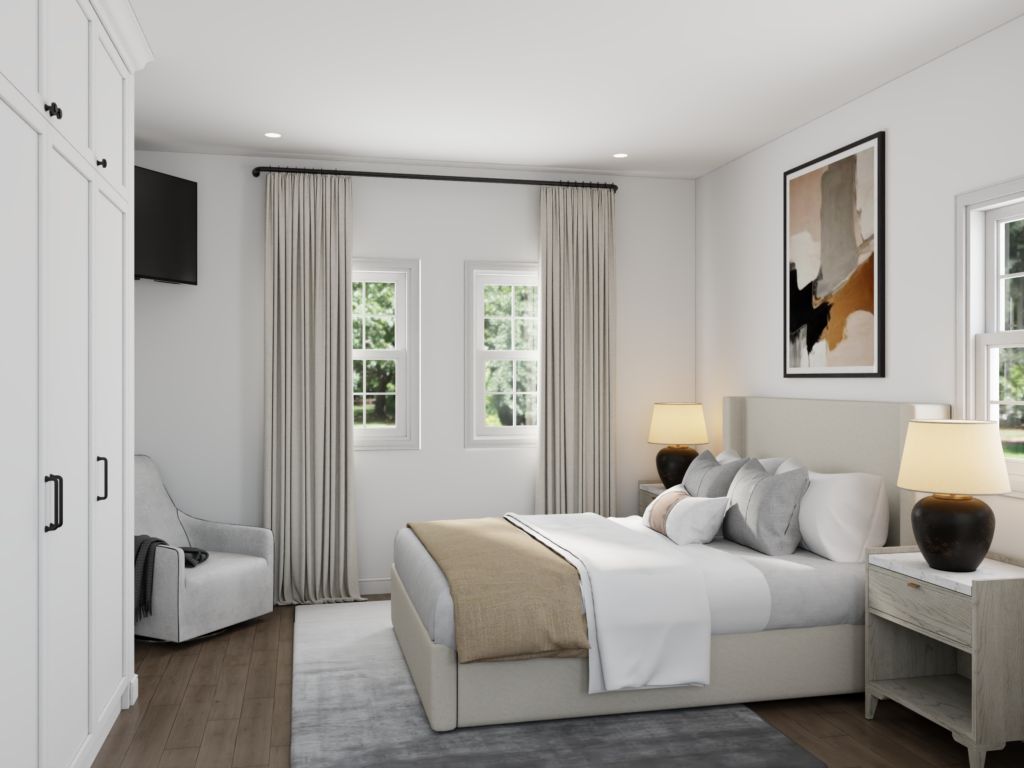
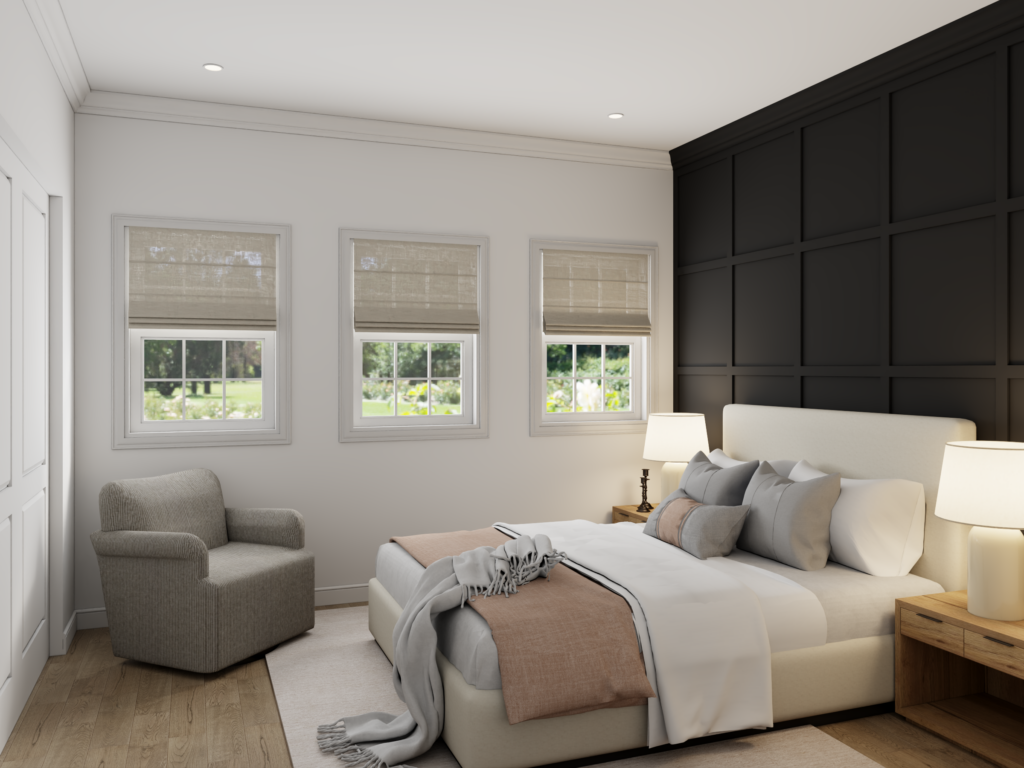
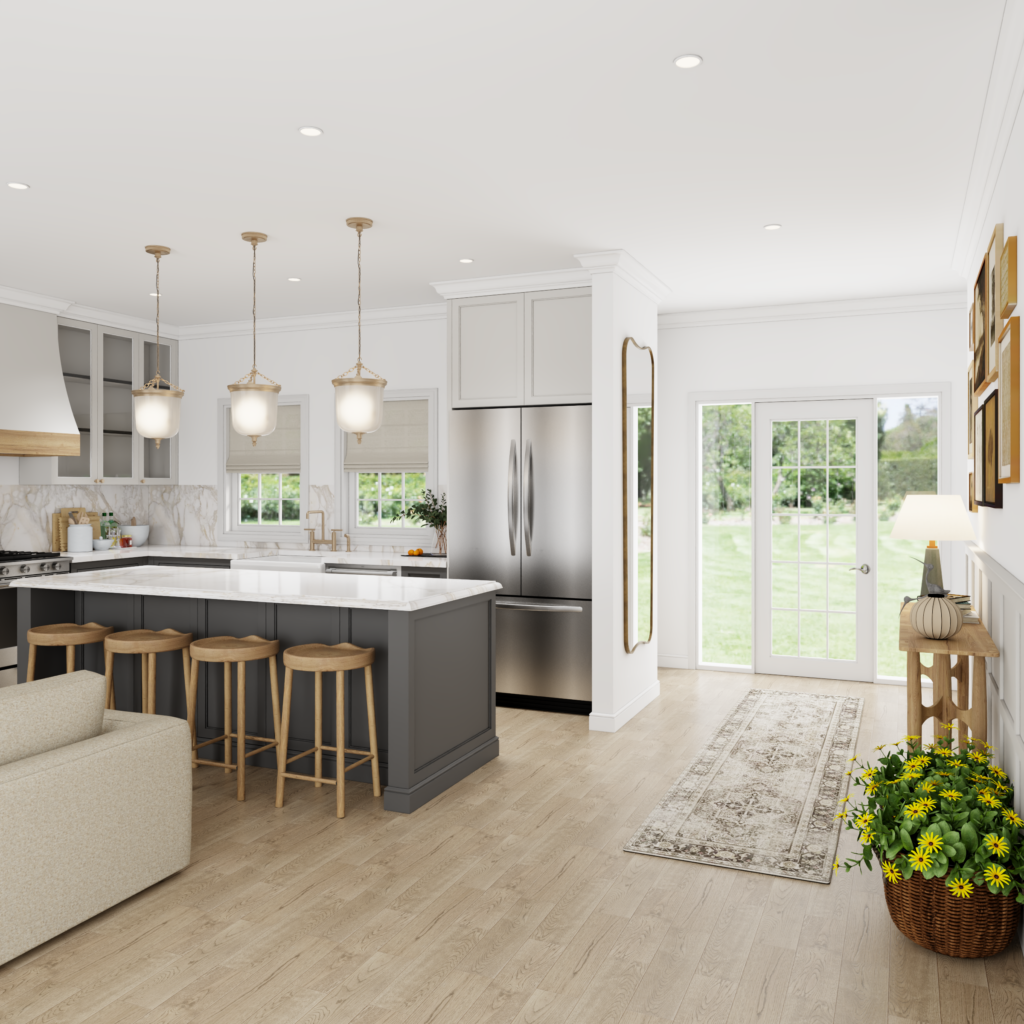
Contemporary Tiny Homes offers fully customizable ADUs ranging from 600 to 1,000 square feet, typically featuring one or two bedrooms. The company employs an in-house designer with over 20 years of experience creating homes in Connecticut, and their construction is led by a director with 40 years of experience building single and multi-family residences in the state.
Unlike prefabricated options common in other markets, Contemporary Tiny Homes builds their units on-site. “The homeowners in Connecticut, especially in Fairfield County, are very discerning and typically know exactly what they want or need,” notes Neri. “Most of our customers prefer something custom where we build entirely on-site.”
The entire process takes approximately six months—one to two months for design finalization and permitting, followed by three to four months for construction. The units come equipped with spray foam insulation, central heating and cooling, and energy-efficient features.
The company has identified several use cases for ADUs. Some homeowners use them as guest houses or pool houses, while others see them as investment opportunities through rental income. However, Neri finds multigenerational living to be particularly compelling.
“Instead of sending aging parents to an assisted living facility, which can be very costly, homeowners can have their parents living in an ADU,” Neri says. “They maintain their independence and privacy while remaining close enough to be checked on regularly. They can be invited for dinner and can help with childcare. Being close to grandchildren may even slow the speed of cognitive decline as someone ages.”
For those concerned about Connecticut’s harsh winters, Neri emphasizes their focus on proper insulation. “Since these homes are smaller, the ratio between surface area and volume is higher than in larger homes. We need to be very judicious about insulating them well to keep heating and cooling costs manageable.” Their units use spray foam insulation throughout and feature high-efficiency electric heat pumps for heating, cooling, and hot water.
Contemporary Tiny Homes also offers financing solutions through partnerships with three main lenders. “You can pay for these ADUs over up to 30 years with no down payment based on the equity of your main home through a HELOC,” explains Neri. “If you’re building a larger two-bedroom, 800 to 1,000 square foot ADU, you might pay around $1,400 per month for the HELOC, but you can rent it out for $2,500 or more.”
The company currently serves Fairfield, New Haven, and Hartford counties, with plans to expand to New London County and eventually into southern Massachusetts and Rhode Island by the end of the year.
“We believe the timing is right for ADUs in the East Coast market,” Neri says. “We’re excited to grow geographically and help people address their housing needs, particularly senior citizens looking to downsize or generate additional retirement income while maintaining their independence.”
For Connecticut homeowners interested in exploring whether an ADU might work for their property, Contemporary Tiny Homes offers a feasibility analysis to determine if their lot meets zoning requirements and other necessary conditions for ADU construction.
This article was sourced from a live expert interview.
Every month we conduct hundreds of interviews with active market practitioners - thousands to date.
A sudden rise in mortgage rates has not landed evenly across Hampton Roads, Virginia. Over three weeks to a month, rates climbed almost a full percentage point, according to Bubba Hutchison, who leads Hutchison & Co. at RE/MAX Connect in Yorktown. Freddie Mac’s weekly survey tracked the same climb: the average 30-year fixed rate rose ...
For most of the past two decades, the conventional playbook for condominium buyers in San Francisco followed a predictable arc: buy a studio, sell in five to seven years, move up to a one-bedroom, repeat. Appreciation was reliable enough that buyers could treat each purchase as a stepping stone. That assumption no longer holds, according ...
Harford County, Maryland, never gave back its pandemic-era gains. Prices in the rural county 30 minutes north of Baltimore rose slowly and without a dip from 2020 until about May of this year, according to Lee Tessier, who leads the Lee Tessier Team of eXp Realty in Bel Air. Over the same stretch, he says, ...
Data center construction is pushing smaller buyers to the back of the line for sand, gravel, and stone. Wherever large campuses go up, they claim local supply before anyone else places an order. When a quarry commits its stock to one of those projects, the homeowner building a pool or the small developer pouring a ...
Brokers tend to talk about MLS fragmentation as a tax on growth – the cost of joining one more system every time a team pushes into new territory. For the brokerages large enough to pay their way around it, fragmentation also works as a competitive barrier against everyone who can’t. Close to 500 MLSs still ...
An inherited house arrives with decisions its new owners didn’t plan for: whether to fix it up, list it, or take a cash offer, and how much effort any of those paths is worth. Each option comes down to a tradeoff between the time a sale takes and the money it brings in. In greater ...