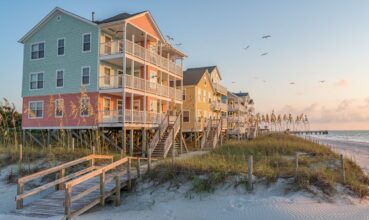
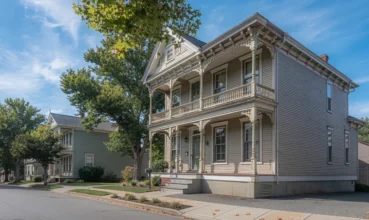
Cape Cod’s luxury real estate market is defined by extreme scarcity, with just 494 active listings among 130,000 single-family homes — an available inventory rate of only 0.38%. This shortage is forcing buyers and sellers to adapt in a market where competition, patience, and local knowledge are essential.
Jack Bohman, lead agent and co-founder of The Bohman Hartung Group at Gibson Sotheby’s International Realty, has seen these dynamics play out in real time from his base in Chatham. As Gibson Sotheby’s top-producing team last year, Bohman and his colleagues have a close view of how limited inventory and shifting buyer expectations are reshaping the market.
Renters Who Become Buyers
Unlike many vacation destinations where buyers act on impulse, Cape Cod attracts a more deliberate clientele. Buyers here often spend years renting before purchasing, testing whether the area fits their lifestyle and family needs.
“People find out that it works with their lifestyle,” Bohman says. Most buyers rent for five to seven years before making a purchase, having initially discovered the area through friends or vacation stays. This trial period sustains a steady rental market and ensures buyers are committed and informed about local conditions.
This process also means the buyer pool is composed mainly of people who understand the seasonal rhythms, local regulations, and limitations of Cape Cod living. The result is a slower but more stable flow of buyers who are less likely to make speculative moves.
Why Sellers Hold Back
Several factors are keeping potential sellers from entering the market. The “rate lock” effect, in which homeowners with ultra-low 2–3% mortgages hesitate to sell and forgo favorable financing, is only one part of the story; on Cape Cod, demographic and regulatory constraints further limit turnover.
“Older people are staying in their houses a lot longer,” Bohman says. Assisted living options are limited and costly because of strict zoning. This makes it more cost-effective for seniors to age in place and hire in-home help. This trend removes a traditional source of inventory. Older homeowners who might have moved to assisted living are staying put.
The result is a market where the normal churn of listings has slowed, and would-be buyers face fewer opportunities to purchase, especially in desirable locations or updated homes.
New Construction Costs Climb
Building new homes on Cape Cod has become increasingly difficult and costly. With little vacant land available, most new construction involves tearing down older homes and rebuilding, a process that drives up prices and limits supply.
“Before COVID in Chatham, no house without a water view had ever sold for over two and a half million dollars,” says Bohman. “Now we have non-water view houses selling for over $4 million because that’s the only way to get a brand new house.”
This price increase is driven by high land acquisition costs, expensive construction, and the need to purchase existing homes for demolition. As a result, spec homes regularly exceed $4 million, even without premium views or locations. The economics of new construction now place it firmly in the highest tier of the market, out of reach for many buyers.
Renovation Splits the Market
With move-in-ready homes scarce and new construction priced at a premium, renovation has become a key strategy for buyers seeking value or preferred locations.
Many buyers from the Boston suburbs have already managed a major renovation. “They’re one and done,” Bohman says. “They don’t want to attempt to do that again, 90 miles from where they live. They don’t know the vendors or the trades that well. So they’d rather buy new if they could, or a house that’s recently renovated.”
This has split the market: updated homes attract multiple offers, while properties needing significant work linger on the market, even amid low overall inventory. The renovation market is active, but only for buyers willing to take on additional work and complexity.
Regulations Raise Entry Barriers
Cape Cod’s strict zoning laws further complicate both renovations and new construction. Strict local zoning and flood regulations can significantly increase renovation complexity and cost. This can mean costly upgrades, such as lifting the house and adding a FEMA-compliant basement.
“You might have a house that you have to suddenly lift and put a FEMA basement underneath, if you do that amount of work,” Bohman says. Many buyers are discouraged by the prospect of having to meet these requirements, especially when the work goes beyond cosmetic improvements.
These regulations protect property values and community character, but they raise the cost and complexity of updating homes. This creates additional barriers for buyers and builders.
Buyers Arrive Better Prepared
The core demographic for Cape Cod’s luxury market remains empty nesters and soon-to-be retirees in their 50s and 60s, often from the Boston area. But the way these buyers approach the search process is changing. Bohman recently met clients who arrived with AI-generated research presentations on prospective properties.
“It was a real eye opener,” he says. Although the reports contained some errors, Bohman corrected them and used the experience to refine his own research process. Buyers are arriving better informed, and agents must be prepared to match or exceed that preparation.
Year-Round Appeal Grows
A common misconception about Cape Cod is that it functions solely as a summer destination. That perception is fading, partly because of advances in home technology and heating systems. Modern smart thermostats allow homeowners to remotely prepare their homes for winter weekends, extending the usable season.
“In the old days, people would come down no later than Thanksgiving, drain the pipes, shut the house down, and turn the heat off for the winter,” Bohman says. Now, with Wi-Fi-enabled heating systems, owners can leave Boston in the afternoon, turn up the heat remotely, and arrive at a warm home for a winter weekend.
This shift has increased the appeal of Cape Cod as a year-round destination, supporting higher property values and encouraging more investment in home upgrades and amenities.
Pipeline Determines Market Future
The future of Cape Cod’s luxury market will depend on the depth of the buyer pipeline. Much of the recent surge in demand was driven by baby boomers purchasing second homes during and after the COVID-19 pandemic. Bohman notes, “A lot of baby boomers purchased here during COVID and a couple of years after. How many more are in the pipeline? How many young people are behind that in the pipeline? That will be the most interesting thing.”
Values have increased significantly over the past decade, particularly accelerating after COVID-19, but sustaining that pace depends on broader economic trends and attracting new generations of buyers. The market’s reliance on Boston-area professionals and retirees means demand could soften if that pipeline narrows.
Investors Face Opportunity and Risk
For investors, Cape Cod presents both opportunity and risk. Properties needing renovation often offer the best locations and prices, but require substantial capital, patience, and familiarity with local regulations.
“A buyer who’s willing to renovate is going to find the best deal and the best location,” Bohman advises. Strict zoning and limited land supply help maintain property values, but also raise the bar for entry. Investors who understand local regulations and have access to reliable contractors can capitalize on these conditions, but the process is not for the inexperienced or undercapitalized.
Geography and Policy Shape Market
Cape Cod’s luxury market is shaped as much by local policy and geography as by national economic forces. Higher interest rates have cooled transaction volume nationwide, but demographic shifts, regulatory barriers, and a finite supply of land and homes compound Cape Cod’s challenges.
Buyers and sellers must navigate a market where patience, flexibility, and knowledge of local rules are essential. For those who adapt, Cape Cod, Massachusetts, remains one of the most sought-after and well-protected luxury markets in New England.
About the Expert: Jack Bohman is the lead agent and co-founder of The Bohman Hartung Group at Gibson Sotheby’s International Realty, based in Chatham, Massachusetts. His team ranked as Gibson Sotheby’s top-producing group last year, specializing in luxury residential properties across Cape Cod.
This article is based on information provided by the expert source cited above. It is intended for general informational purposes only and does not constitute legal, financial, or real estate advice. Readers should conduct their own research and consult qualified professionals before making any real estate or financial decisions.