

Office-to-residential conversions are gaining traction in Ohio’s city centers. Still, Brian Lorenz, Director of Planning and Permitting for the Ohio House of Representatives, warns that th...

California Real Estate Rebounds as Institutional Capital Returns from the Sidelines

Written by:
Date:
25 Aug 2025
Share via Facebook

Share via Linkedin

Share via X

Copy to clipboard

The California commercial real estate market is experiencing a notable resurgence after nearly two years of subdued activity, with institutional investors increasingly deploying capital that has been sitting on the sidelines since interest rate volatility began affecting deal economics.
Transaction volume at major California law firms serves as a reliable barometer for market activity, and the signals are increasingly positive. After what one industry veteran describes as “a very challenging 18 months” for real estate transactions, deal flow has “dramatically picked up,” indicating that capital is finally coming off the sidelines.
A Seasoned Perspective on Market Cycles
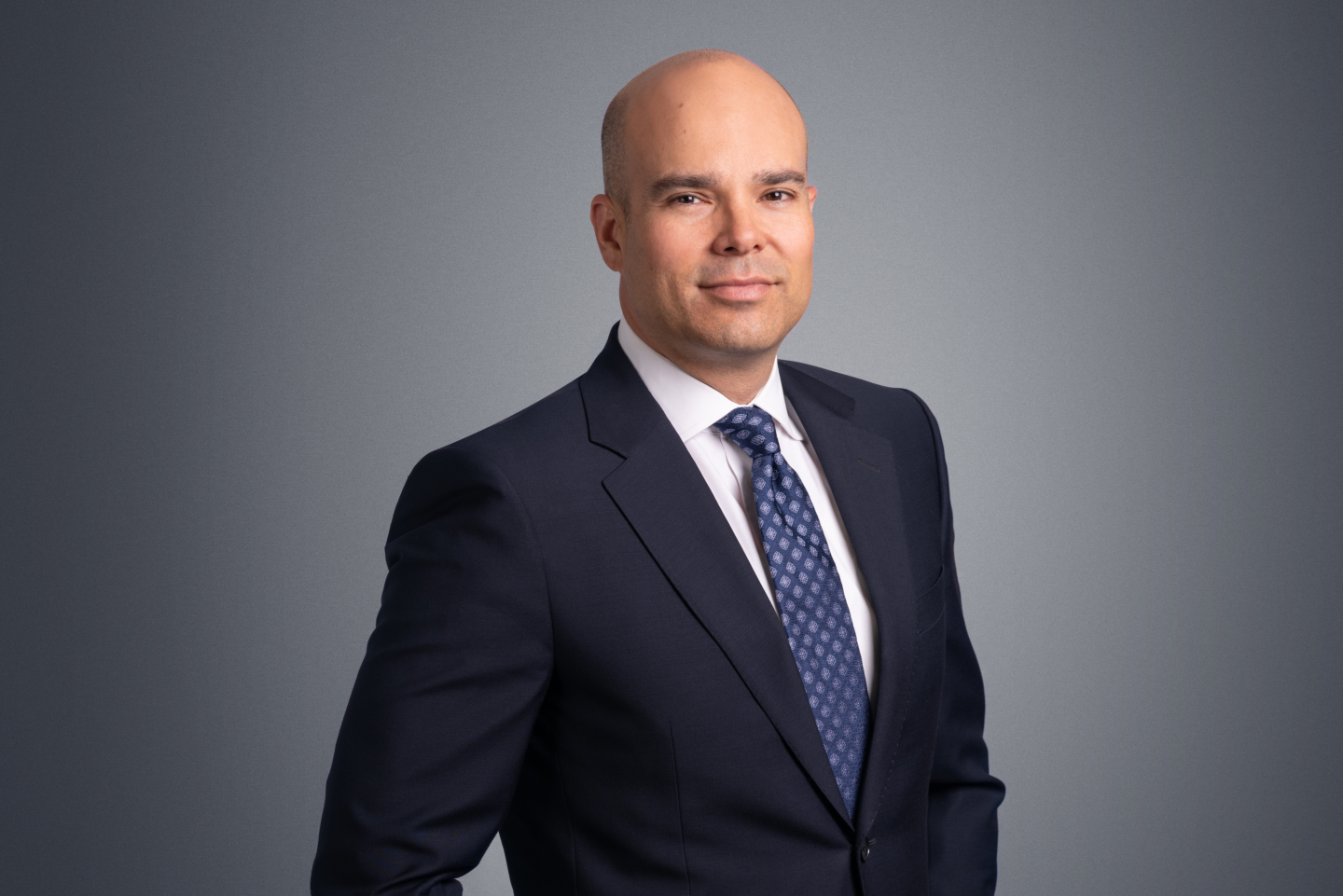
Alain R’bibo, Partner at Allen Matkins, who has guided clients through multiple market cycles over his 19-year career, brings a unique perspective to current market conditions. His path to real estate law began unconventionally through bankruptcy practice, where he discovered that most major bankruptcy cases involve significant real estate components, experience that proved invaluable for understanding complex restructurings and debt workouts.
“Most bankruptcy cases usually have a very heavy real estate component,” R’bibo explains. “Usually the case is being funded through real estate or there’s a significant restructuring of real estate debt, creditors, investors. “This background provided crucial insight into how real estate markets behave during periods of distress.
His transition to Allen Matkins came after repeatedly hearing the same advice from mentors: “If you can get into Allen Matkins, you should close your eyes and absolutely go there.” The firm’s reputation proved well-founded, with R’bibo working on some of the largest transactions in the industry, including Blackstone’s $40 billion acquisition of EOP early in his tenure.
California’s Enduring Appeal Despite Development Challenges
While California faces criticism for its complex development environment, the state’s fundamental appeal to investors remains strong. R’bibo recalls advice from an early mentor who used a memorable analogy: “Every January first, people are at home freezing and they’re watching the Rose Parade, and it spurs a dream inside of everyone to want to move out here. It can get bad, but the demand for people who want to come out and live in California will just never go away.”
Recent modifications to the California Environmental Quality Act (CEQA) offer hope for a more development-friendly environment, though the impact of these changes remains to be seen. Despite regulatory challenges, California continues to attract investment interest, particularly in established markets with strong fundamentals.
Surprising Sector Performance and Investment Flows
Contrary to widespread predictions about retail’s demise, the sector has demonstrated notable resilience. “Surprisingly, for a long time, we thought that retail was dead. Retail is not dead at all,” R’bibo notes. “The idea that people just want to order everything on Amazon or just through online shopping is not the case. Retail has done very well.”
Investment dollars keep flowing toward retail properties, challenging assumptions about e-commerce completely displacing physical retail. Multifamily properties remain attractive to institutional investors, driven by continued rent growth and California’s persistent housing demand. The firm recently completed a sizable, publicly reported transaction involving a historical portfolio in Southern California, demonstrating continued appetite for iconic properties in prime markets.
Office markets present a more complex picture. While the sector continues to struggle, certain submarkets show signs of recovery. San Francisco’s gradual comeback is encouraging, and specialized markets like “Silicon Beach” in Playa Vista are seeing renewed demand.
The Data Center Opportunity
Beyond traditional property types, significant capital is flowing toward data centers, though these developments typically occur outside urban cores. The firm has direct exposure to both development and leasing, reflecting the sector’s growing importance to institutional strategies. This trend aligns with broader technological infrastructure needs and the continued expansion of cloud computing and AI applications.
International Investment Patterns Shift
Foreign investment patterns have evolved significantly. Chinese investment, which previously funded substantial development in downtown Los Angeles, has largely ceased due to political changes overseas. European markets have become more attractive to international capital, while domestic investors are increasingly active.
“Really we’re seeing homegrown investors out here in the US starting to deploy dollars after a couple of really challenging years where folks were standing on the sidelines,”R’bibo observes. Family offices with substantial dry powder are particularly active, ” taking risk, being really active, really aggressive.”
Electric Vehicle Infrastructure: a Growing Practice Area
California’s leading role in environmental trends has created opportunities in electric vehicle infrastructure development. The firm represents leading EV manufacturers and developers of charging infrastructure throughout the state, working on projects ranging from consumer installations to commercial-grade facilities for trucking fleets.
These projects often require creative problem-solving, particularly regarding power availability. “Some places have power, some places don’t, in which case, okay, we’ll build a solar field,” R’bibo explains. The nascent nature of this sector means attorneys are often creating documentation and structures from scratch, “cobbling together based on our experience in related fields and related industries.”
Office-to-Residential Conversions Show Promise
One trend gaining renewed attention is office-to-residential conversions. Initial enthusiasm for converting empty office buildings to address housing shortages was tempered by the high costs and permitting challenges involved. However, the market is beginning to see selective success stories.
“Slowly, I think we’re seeing some wins in that arena, where on the right deal, at the right basis, you can make that happen,” R’bibo notes. The key is selectivity: garden-level properties in the right markets with appropriate floor plates can present viable opportunities, particularly for owners who acquired buildings at favorable basis points.
This trend is particularly relevant for B and C-class office properties that have struggled over the past three years, offering potential new life for assets that might otherwise face continued vacancy challenges.
Market Outlook and Cautionary Notes
Current market sentiment is decidedly optimistic, with expectations of interest rate cuts providing momentum. However, R’bibo maintains a measured perspective: “I love that for business. I do get concerned that we just started solving inflation, and already we might be looking at a cut.”
The combination of stock markets at all-time highs, abundant capital waiting to deploy, and herd mentality effects could create overheated conditions. “Once people see that competing groups or their friends are going in and dipping in, people get afraid of missing that opportunity.”
Looking Forward
For institutional investors and real estate professionals, the current environment presents both opportunities and risks. California’s fundamental strengths, desirable climate, diverse economy, and continued population growth, support a long-term investment thesis despite near-term challenges.
The key for successful investing appears to be selectivity and timing. As R’bibo notes, “If you’re a long-term player, you should be getting into the game” when opportunities present themselves, rather than trying to time the perfect market bottom.
With transaction volume recovering and capital deployment accelerating, California’s commercial real estate market appears positioned for continued growth, supported by both domestic institutional investors and innovative sectors like EV infrastructure development.
Similar Articles
Explore similar articles from Our Team of Experts.