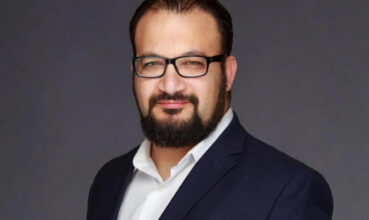
The luxury real estate market on California’s Monterey Peninsula is entering 2026 with renewed activity following a year of historically low sales. William Smith, broker and leader of the Carmel Luxury Group at Coldwell Banker Realty, has tracked these changes closely. With 36 years in the industry, Smith’s perspective is shaped by decades of navigating market cycles in one of California’s most exclusive coastal regions.
A Market Divided by Wealth and Geography
According to Smith, the Monterey Peninsula is characterized by a clear division between high-end and workforce housing. The luxury segment includes Pebble Beach, parts of Monterey, Pacific Grove, Carmel, Carmel Valley, and Big Sur, with listings ranging from $2 million to $90 million. Most luxury sales fall between $2 million and $10 million, but recent purchases at higher price points have started to influence the market.
In 2022, Brad Pitt’s $40 million purchase in Carmel Highlands was a catalyst. “Since that happened, all of a sudden there’s a lot more homes above $10 million that are selling, and that’s brought the marketplace up,” Smith says.
Meanwhile, workforce housing—priced between $500,000 and $1 million—serves the region’s tourism industry. These homes are typically located five to 25 miles from the luxury enclaves, reflecting the peninsula’s unique economic structure.
Pandemic Migration
The pandemic brought a dramatic change to the peninsula’s buyer profile. Residents of Silicon Valley and the Bay Area, newly able to work remotely, began relocating to Monterey in significant numbers.
“We became the destination from those feeder markets, where people could now Zoom and work remotely so they could have a high quality of life, especially if they were young millennials with families,” Smith explains. The area’s strong schools and natural amenities drew these buyers.
This influx drove property values higher during the pandemic. However, by 2025, the market cooled, and unit sales fell to their lowest levels in years. This drop aligned with national trends identified by real estate content marketing and education platform, Keeping Current Matters, as higher interest rates and economic uncertainty dampened demand.
Interest Rates and the Start of a Recovery
The recent uptick in sales activity is closely tied to declining interest rates. Mortgage rates, which were 7.2% in January 2025, have now dropped below 6% in early 2026. This reduction has brought buyers back to the market who higher borrowing costs had sidelined.
Smith notes that this shift is also unlocking inventory. Homeowners who had been reluctant to give up their pandemic-era rates are finally willing to move, often to be closer to family. “I can give up my 3.5% interest rate and move finally to be close to grandchildren,” Smith says, describing the mindset change among sellers.
The Turnkey Divide
A significant trend in today’s market is the preference for turnkey, move-in-ready homes—especially among buyers from the technology sector. These individuals, often managing multiple residences and busy schedules, have little interest in renovation projects.
“We have buyers who come, especially busy people in the technology world—they don’t want to take on projects,” Smith explains. For sellers, offering a home as-is limits the pool of interested buyers. The most desirable homes are those that require no immediate work, and these properties command premium prices. By contrast, homes needing upgrades face longer market times and steeper discounts.
Pricing in a Small, Exclusive Market
With fewer than 100,000 residents spread over seven communities, the Monterey Peninsula operates differently from larger urban markets. Smith emphasizes that sellers must understand the specific characteristics of their buyer pool rather than rely on strategies from high-density areas.
“When they ask me the question, ‘How much is your home worth?’ I say that’s the wrong question,” Smith says. “The question you should be asking is: Who is my buyer? What is my timeframe? And what is my ability to be market-ready?”
Smith outlines three pricing approaches: a 24-hour price to attract multiple offers immediately, a standard 90- to 120-day market price, and a “sometime in our lifetime” price for those with no urgency. This tailored approach reflects the region’s limited buyer base and the need for realistic expectations.
How Buyers and Sellers Connect
Adapting to new technology has become essential. Smith’s team produces AI-driven content and leverages YouTube for their “Knowledge Broker” series, responding to changes in how buyers and sellers conduct research. Traditional search engine optimization has given way to appearing in AI-powered search results.
“It used to be SEO that we wanted—now we want AEO. We want to be found when we’re searched on the internet,” Smith says. Buyers and sellers are increasingly turning to tools like ChatGPT and Perplexity to find agents and listings instead of Google or Zillow.
Outlook for 2026
As 2026 progresses, Smith expects the market to stabilize, with the potential for above-average sales volume compared to last year’s lows. While affordability remains a challenge—only about 11% of median-wage earners in Monterey County can buy a home—increased inventory is creating more opportunities for both buyers and sellers.
The region’s enduring appeal as a lifestyle destination continues to attract affluent buyers from across the country and abroad. However, Smith notes that competition from other coastal markets, such as Montecito, Santa Barbara, and Cambria, is intensifying. Real estate professionals must now deploy more sophisticated marketing strategies and understand the nuances of their market to succeed.
Lessons for Coastal Markets
Smith’s experience highlights the importance of local expertise in high-end coastal markets. Success depends on identifying specific buyer motivations, keeping up with technology, and adapting strategies to the realities of a small, exclusive market rather than relying on national trends.
The Monterey Peninsula’s recent history illustrates broader patterns in luxury real estate: the lasting impact of remote work, the premium on turnkey properties, and the ongoing need for agents to evolve. Cosmetic appeal alone is rarely enough to drive sales momentum. Sellers who align their properties with current buyer expectations—prioritizing livability, efficiency, and readiness—see faster sales and stronger offers.
For real estate professionals, these shifts underscore the need for continuous adaptation. As Smith puts it, “If I were running my real estate company the way I did in 1990, I would not be in business.” The coming year will reward those who understand their market deeply, use technology effectively, and offer properties that meet today’s buyers’ demands.
This article was sourced from a live expert interview.
Every month we conduct hundreds of interviews with active market practitioners - thousands to date.
When graduate students at University of Maryland spend 50 to 76% of their stipends on rent, it signals a market gap that Teddy Abdelmalek and HH Red Stone are uniquely positioned to address....
The Pittsburgh real estate market is undergoing a measurable shift as the intense seller’s market of recent years begins to moderate. Local agents are reporting changes in buyer behavior, ...
Strategic underpricing is now the norm in Long Island’s real estate market, turning the asking price into a marketing device rather than a true indicator of what sellers expect to receive....
Manhattan’s real estate market is charting its own path in 2025, diverging from national trends dominated by rising mortgage rates and affordability concerns. Instead, the city’s unique ...
Many Atlanta homebuyers are making a costly mistake by holding out for mortgage rates to return to pandemic-era lows, according to Adrian Provost, CEO and Principal Broker at Realty ONE Grou...
LOS ANGELES, Aug. 27, 2024 (GLOBE NEWSWIRE) — Affirmed Housing, a leading provider of affordable housing throughout California, announces the completion of The Iris, a new, affordable ...