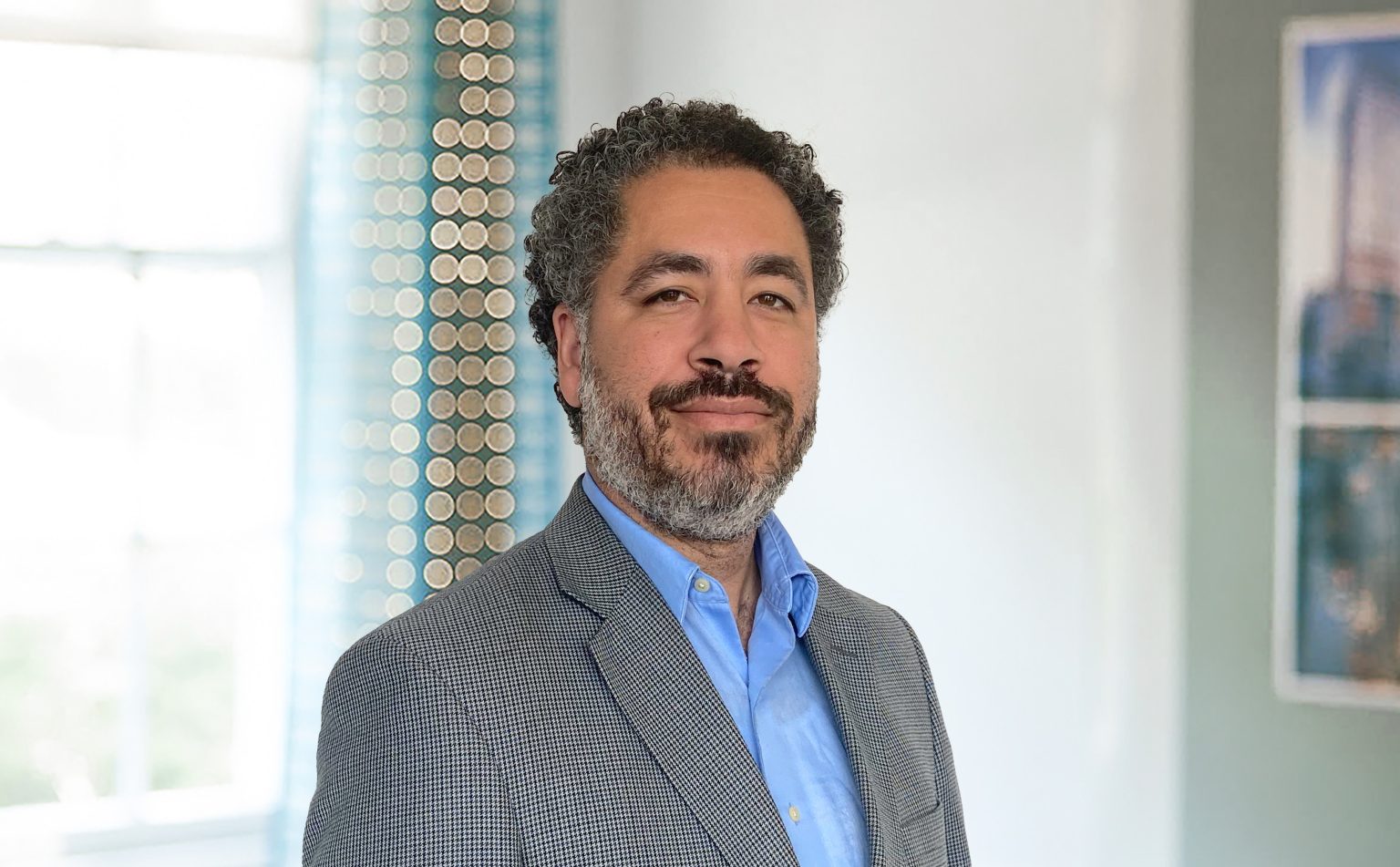
When architects understand the developer’s mindset, exceptional projects emerge. This philosophy has guided Sean Pichon throughout his career, from his early days with prominent firms to his current role as a principal at Michael Graves.
After graduating in 1995, Pichon established himself working on high-profile projects including government headquarters, county sports complexes, and convention centers. This foundation in complex, large-scale projects shaped his understanding of both the technical and business aspects of architecture.
It was this dual perspective that inspired Pichon and two partners to establish PGN Architects. Under his leadership, the firm developed a reputation for combining innovative design with practical business acumen. “We spent a lot of time learning what makes the projects work financially, what makes the site attractive,” Pichon explains. “We learned all the keys to making a project successful through listening and speaking and discussing and bouncing ideas back and forth as these groups were growing their real estate businesses.”
This developer-centric approach caught the attention of Michael Graves, a world-renowned architectural firm seeking to expand its multifamily and mixed-use portfolio. “They were looking for subject matter expertise to help further their brand,” Pichon notes, reflecting on what drew the firms together. In January 2023, PG Architects merged with Michael Graves, creating a partnership that leverages both firms’ strengths while maintaining their commitment to thoughtful, market-responsive design.
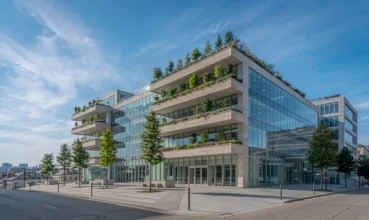
Today, Pichon leads the firm’s efforts in responding to one of real estate’s most pressing challenges: the conversion of office buildings to residential use. His team has developed a systematic approach to evaluating conversion opportunities, with particular attention to the practical challenges developers face in these complex projects.
“We’ve got some behind-the-scenes knowledge as to what goes into making a successful project,” Pichon says. “We translate that into a design narrative.” His team focuses on critical evaluation factors that can make or break a conversion project. For developers considering office-to-residential conversions, key considerations include the building’s exterior wall exposure, core depth, and critically, the age and condition of mechanical systems. These factors significantly impact project feasibility and ultimately determine whether a conversion makes financial sense.
The conversion trend reflects broader shifts in the market that are reshaping developer strategies. Traditional commercial real estate professionals are increasingly pivoting to the multifamily sector, requiring new expertise and approaches. Pichon’s team has been instrumental in helping these professionals transition, providing what he calls “the ABCs of how to evaluate these conversion projects.” This guidance has become particularly valuable as traditional commercial property owners seek new ways to maximize asset value in a changing market.
Drawing on their experience working with both emerging and established developers, Pichon’s team understands how to balance innovative design with financial feasibility. This approach has become especially crucial as developers navigate today’s challenging market environment, where factors like construction costs and regulatory requirements can significantly impact project viability.
Through his role at Michael Graves, Pichon continues to push the boundaries of architectural design while maintaining a sharp focus on project viability. His team collaborates across the firm’s global network, bringing multifamily expertise to diverse markets while incorporating new perspectives into their work.
This blend of creative design and practical development knowledge exemplifies the evolution of architectural practice in today’s complex real estate environment. As the industry continues to face new challenges, Pichon’s approach of merging architectural innovation with development expertise offers a compelling model for future success.