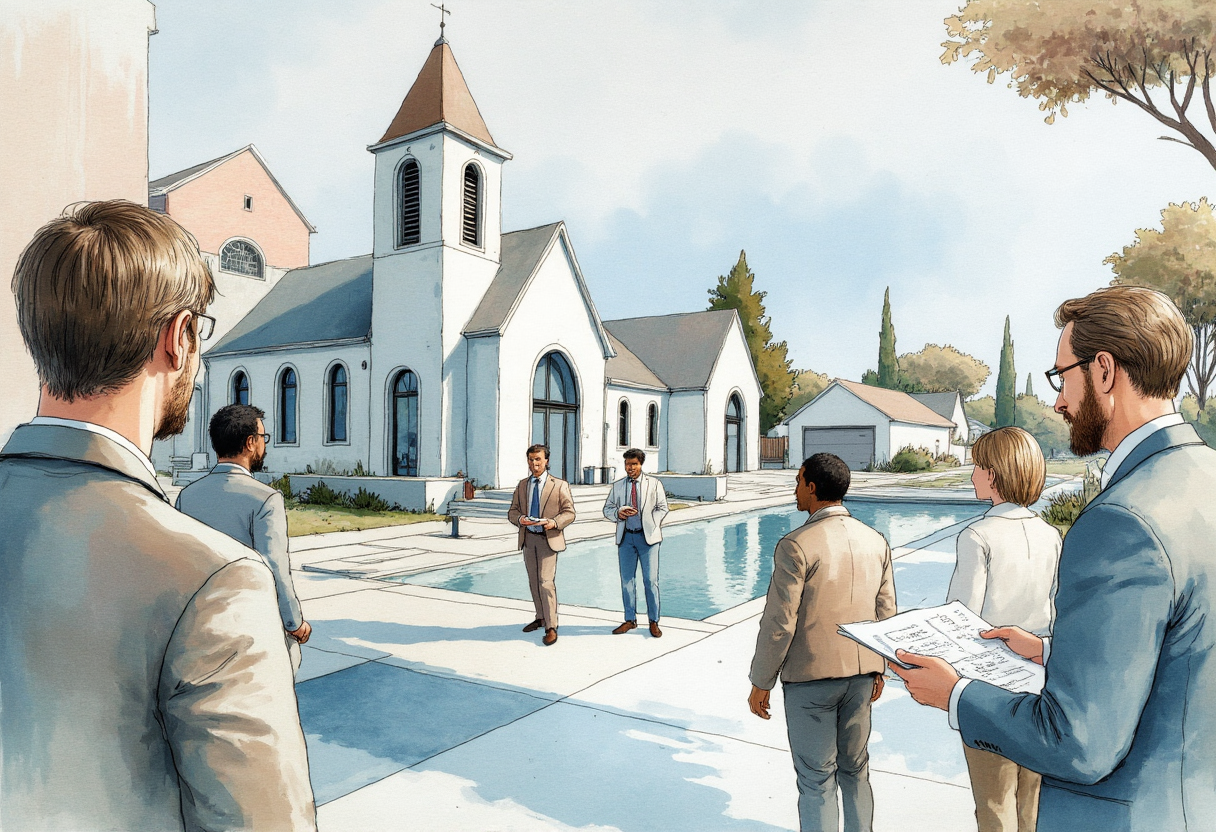
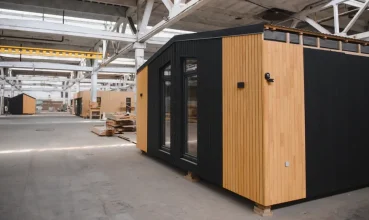
Churches across Southern California are discovering an unexpected solution to their challenges: their own parking lots and unused land. According to Martin Porter, Founder and CEO of Logos Faith Development, this real estate represents an opportunity to simultaneously address multiple community needs while securing their own financial future.
“Churches want to be a part of the solution to a crisis,” Porter says, referring to the region’s housing shortage. “And at the same time, they have a problem. They have membership roles that are diminishing, aging facilities, and those folks that are there are giving less.”
The Dual Challenge
Porter points to a fundamental shift happening in religious institutions. While many churches maintain significant land holdings, often in prime locations, they face declining attendance and aging infrastructure. This creates what Porter describes as a unique opportunity: churches can leverage their real estate assets to fulfill their mission while creating new revenue streams.
“The land isn’t used for its highest and best use, or can be reconfigured with a smaller church on the same property,” Porter explains. Through partnerships with developers like Logos, churches can maintain ownership while putting their property to work addressing community needs.
A New Partnership Model
Rather than selling their land outright, churches enter into limited partnerships where they remain full partners in the development. “We’re not selling the church’s property from them,” Porter emphasizes. “We are putting it into a new structure that will allow them to totally fulfill their vision of what they’ve always wanted to do on that land.”
This structure maintains the church’s nonprofit status while creating new income potential. The model has proven so attractive that Porter says they do “no outbound marketing” yet have churches “knocking at our door.”
Built-In Community Support
One of the model’s unique advantages comes from the existing congregation. “When we get 92 votes from a church to move forward the project, that’s as much buy in as anybody’s going to get from a community,” Porter notes. “When we take that to the city and say we have 92 members of this church who have voted for this project, they’ve already gotten the imprimatur that they would get if they did five community meetings.”
Porter’s team employs what he calls a “discernment process” with each church partner. “We really want to understand what their purpose is, what their values are. What’s the history of the church? What are the things that the church has done in the past that would allow us to strike a chord and tell that story again through housing?”
Looking Forward
With multiple projects in development across Southern California and one in Portland, the model appears to be gaining traction. Porter sees significant potential for expansion, particularly in Los Angeles and San Diego counties where the need for affordable housing intersects with churches seeking sustainable futures.
“When you lead with values and you focus on people and you want to make a really positive impact in this world, and then you have a financial model that actually achieves a decent rate of return, you’ve got a great runway,” Porter concludes.