The commercial real estate default crisis is deeper than official bank reporting suggests, according to Bill Bymel, founder and CEO of First Lien Capital LP. While major banks currently report default rates between 3% and 5% on their commercial real estate loan portfolios, Bymel contends the true level of distress is much higher once loans quietly sold off balance sheets or restructured under regulatory leniency are included.
“When you aggregate the fact that they have been selling a lot of that bad debt and moving it off their balance sheet in other ways, the actual default rate is much higher than perceived,” Bymel says. He points to a lack of transparency in how banks track and report commercial real estate loan performance, which he says leaves the true scale of the problem hidden from both regulators and the public.
The Overlooked Crisis in Small Commercial Properties
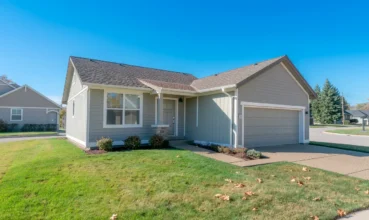
Bymel stresses that today’s distress is concentrated not in major office towers but in the thousands of small commercial properties owned by individuals and families. Commercial real estate, he notes, is largely a “mom-and-pop business.”
He points to common borrowers now under pressure – professionals like doctors who own small medical office buildings with a handful of tenants, or police and firefighters who moved from single-family rentals into modest multifamily investments. Many of these owners are now confronting refinancing shocks: loans taken out five years ago at roughly 5% must be renewed at closer to 8%, while property taxes and insurance have also climbed sharply.
Loans written five years ago at about 5% are now coming due, and banks are quoting rates closer to 8%, Bymel says. At the same time, property taxes and insurance have continued to rise, leaving small owners under mounting financial strain. “They’re being squeezed,” he says, noting that lenders recognize the problem but don’t have the capacity to handle the growing number of stressed borrowers.
Balloon Payments and the Maturity Wall
The current pressure stems from the structure of most commercial mortgages, which require balloon payments after five to seven years, even if the loan amortizes over a much longer period. Bymel notes that this five-to-seven-year maturity window is standard across the lending industry.
Nearly $1 trillion in commercial mortgage maturities have already come due in the past year. While much of that distressed debt has been picked up by private equity and special situations investors, Bymel says liquidity is “drying up,” making it harder for borrowers to refinance or sell at viable prices.
Banks, he says, lack the operational resources to handle the volume of troubled loans. Many lenders are extending loans under creative terms to avoid recognizing losses, but this approach is reaching its limits as the number of small distressed properties grows.
Regulatory Forbearance Masks True Default Levels
A major reason the true level of distress remains hidden is regulatory flexibility in how banks classify problem loans. Bymel points to the Troubled Debt Restructuring (TDR) standard, which allows banks to keep a loan in “accrual” status as long as the borrower is making payments under any terms the bank agrees to. This gives lenders wide latitude to avoid formally labeling a loan as distressed.
He argues that banks are using this leeway to heavily modify loan terms, sometimes to the point where the new terms do not reflect economic reality, yet the loans remain classified as performing. This regulatory forbearance allows banks to report low default rates even as underlying borrower distress grows.
When banks sell troubled loans to private equity firms or special servicers, those loans are removed from the banks’ reported statistics, even though the borrowers’ financial difficulties persist. This practice further widens the gap between official default rates and actual market conditions.
Falling Property Values and Underwater Loans
Bymel identifies falling property values as a central problem, driven by higher interest rates and cap rates that have wiped out years of appreciation. He says the era of C-class multifamily buildings trading at cap rates below 5% is over, as investors can no longer justify such pricing with today’s higher cost of capital.
This repricing has pushed many owners into negative equity, even if their properties are still generating enough income to cover debt service. Bymel notes that a property financed at 80% loan-to-value with a healthy debt coverage ratio can become underwater solely because a variable mortgage rate jumped from roughly 3.5% to 6%.
Emerging Solutions and Investment Opportunities
Specialized lenders like First Lien Capital are moving to address this gap between reported and actual distress. Bymel’s firm acquires distressed commercial real estate loans directly from banks and private equity firms, often in off-market deals where sellers want to dispose of problem assets quickly.
Bymel says the strongest opportunities never hit the public market, as the best assets are traded quietly between buyers and sellers. His approach focuses on properties with solid fundamentals but financing that no longer works – situations where investors can step in at realistic prices. If buyers can acquire commercial or residential investment real estate at numbers that pencil out under today’s conditions, he notes, they stand to benefit from the long-term tax advantages of owning cash-flowing property.
The extent to which the market will move toward more transparent reporting of default rates may depend on how quickly the coming “maturity wall” forces banks to recognize losses that can no longer be hidden by restructurings or quiet sales. Until then, Bymel warns, the true scope of distress in small commercial properties will remain underreported, with significant implications for investors and regulators alike.