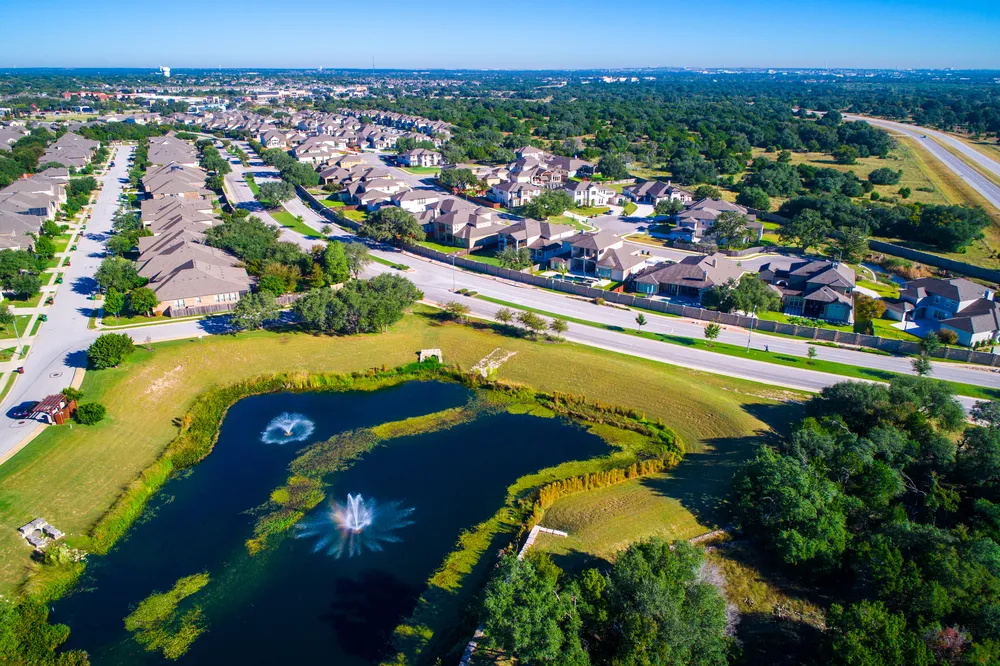
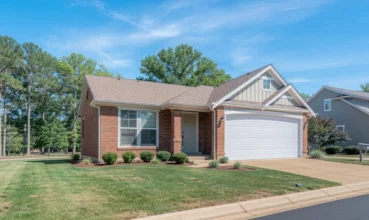
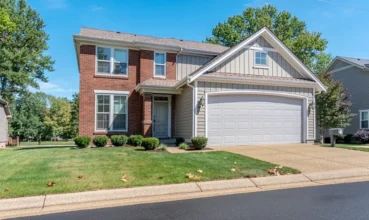
The Austin metro area has been trading the first and second spot for worst market saturation in the country, according to Batya Porter, a real estate agent and licensed property tax consultant at Horizon Realty in North Austin. The effects go beyond simple price declines. Sellers who purchased between late 2020 and 2024 are frequently discovering they owe more than their homes are worth, while buyers – despite elevated interest rates – hold a stronger negotiating position than they have had in years. Pricing discipline has become the single most important factor in whether a home sells or sits.
Today’s Oversupply
During the remote-work migration, Austin’s tech hub drew buyers from higher-cost states, particularly California. Homes routinely attracted 30 to 40 offers, and buyers waived appraisal contingencies to win deals, paying well above what banks were willing to fund. “People were effectively throwing money down the drain to get into homes,” Porter said.
The hangover is now visible in rising short sales and foreclosures. Inventory sits at more than double the number of active buyers, and home values in some cases have dropped several hundred thousand dollars from their peaks. Porter uses comparable data no older than 90 days because conditions shift so quickly that even six-month-old pricing assumptions are unreliable.
Pricing Honesty
In a saturated market, the gap between homes that sell and homes that languish often comes down to a narrow pricing decision. Porter recently declined a $700,000 listing because the seller wanted to list $80,000 above market. “I can’t sell a house that isn’t priced appropriately,” she said.
The results of correct pricing are measurable. A condo seller taking a $45,000 loss received a full-price offer in eight days because the property was priced correctly against seven competing units in the same complex that had been sitting for months. In another case, a home that sat for six months with a previous agent sold within three weeks after a price adjustment and exterior power washing.
For sellers who resist, Porter describes a 14-day testing period: list slightly above her recommendation, observe the lack of traction, then adjust. “If we’re not getting bites, it’s not me, it’s the price,” she said. For buyers, this dynamic creates opportunity – sellers under pricing pressure are more willing to cover closing costs and accept below-list offers.
Long-Term Costs
Builders in the Austin suburbs are offering aggressive incentives – rate buydowns and closing cost assistance – that resale sellers cannot match. But those incentives may obscure costs that buyers do not anticipate.
Property tax rates in new construction communities tend to run higher than in established neighborhoods because fewer homes share the taxing burden. Construction timelines of four to six months also create risks: Porter said her inspectors report compressed pipes are more common because foundations and plumbing have less time to settle before heavy equipment rolls over them.
In Texas, new builds are often assessed at land-only value in the first year, meaning escrow accounts collect taxes as if the home were worth $85,000 when it may be worth $600,000. “After the first year your escrow is short $10,000,” Porter said. “Your monthly payment just went up about $900, and now you can’t comfortably afford the house that you just bought, but you can’t sell it because you’ll lose money.”
Porter advises against new construction unless the buyer plans to stay at least five to ten years. Anyone expecting to sell sooner will compete against the next round of builder incentives they cannot offer themselves.
Property Taxes Vary
Texas’s lack of a state income tax means property taxes carry an outsized role in housing affordability, with rates in Austin’s suburbs ranging from one and a half to three and a half percent. A half-percent difference on a $400,000 home costs $2,000 more per year, and that figure grows as assessed values rise.
Tax rates can vary dramatically within a single city. “You can be a mile away, and one part of the community has an extra water tax that the other side doesn’t,” Porter said. “You can find 20, 30 different variations even within one city.” For buyers comparing properties that appear similar on price alone, neighborhood-level tax analysis can reveal meaningful differences in actual monthly costs.
The homestead exemption, which removes $140,000 from assessed value for primary residences and caps annual increases at 10 percent, provides meaningful protection but requires reapplication every five years. Porter said many homeowners do not realize they have lost the exemption or that they can claim a refund for up to two years of missed savings. For homeowners over 65, an additional $60,000 reduction and a school tax freeze provide further savings that the county will not apply automatically.
Who’s Comfortable
The mood has shifted from a year ago. Buyers have grown more comfortable with rates toggling between the high fives and high sixes, recognizing that the negotiating leverage they hold now, including seller-paid closing costs, did not exist when rates were in the twos. “You don’t want that type of market because that’s where buyers flood the market, and you don’t have the negotiation room,” Porter said.
Sellers, particularly those who purchased during the pandemic years, remain stressed and resistant to current valuations. Porter said she prefaces every market analysis by telling sellers the numbers will disappoint them. Those who bought before 2020 generally have enough equity for the sale to make sense. Those who bought between 2021 and 2024 are likely facing a loss, and that is the first question Porter asks a seller referral: when did you buy?
For buyers weighing whether to act now, Porter’s own decision offers a frame: she bought her first home at a six-and-a-half percent rate, reasoning that a lower purchase price at a higher rate is preferable to a lower rate on a home that has lost hundreds of thousands in value. Whether prices fall further remains uncertain, but the current combination of high inventory, negotiating leverage, and realistic seller pricing may not persist once rates eventually decline, and buyer competition returns.
About the Expert: Batya Porter is a real estate agent and licensed property tax consultant at Horizon Realty, serving the North Austin market with expertise in both residential transactions and Texas property tax assessment and exemptions.
This article is based on information provided by the expert source cited above. It is intended for general informational purposes only and does not constitute legal, financial, or real estate advice. Readers should conduct their own research and consult qualified professionals before making any real estate or financial decisions.